Loading video…
All breakouts
62.7Talking HeadHow-To hookEducation
Hook
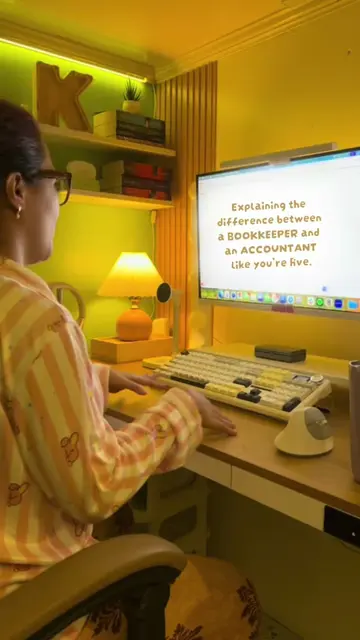
Replying to @ciao Reconciliation naman po next pleaaaase Explaining RECONCILIATION like you're five
@karidadtheva
17.7K followers · usually 1.6K views a post
Views
99.5K
Likes
9.1K
Comments
40
Shares
457
Why it worked
The creator uses a relatable, simplified analogy to explain a complex technical accounting process, making the content highly valuable for her target audience of fellow virtual assistants and bookkeepers.
Summary
The creator explains the concept of bank reconciliation for bookkeepers using a simple analogy of an alkansya (piggy bank). She clarifies why bank statements are necessary for verification even when using accounting software like QuickBooks.
Structure
- 1Analogy of the piggy bank
- 2Defining bank reconciliation
- 3Comparing QuickBooks and bank statements
- 4Common causes of discrepancies
Original caption
Replying to @ciao Bank feed ≠ Bank Reconciliation. 👀📊 “Connected naman ang bank sa QuickBooks, bakit kailangan mo pa ng bank statement?” — one of the questions you’ll eventually hear from a client. 😅 Here’s reconciliation explained like you’re five, plus an easy way to explain WHY we need those bank statements. 💻✨ Save this for your next client conversation! 🫶 #virtualassistant #howtobeavirtualassistant #bookkeeper #accountant #karidadtheva
More from @karidadtheva
More breakout videos from this creator.