Loading video…
All breakouts
9.4Talking HeadListicle hookLifestyle
Hook
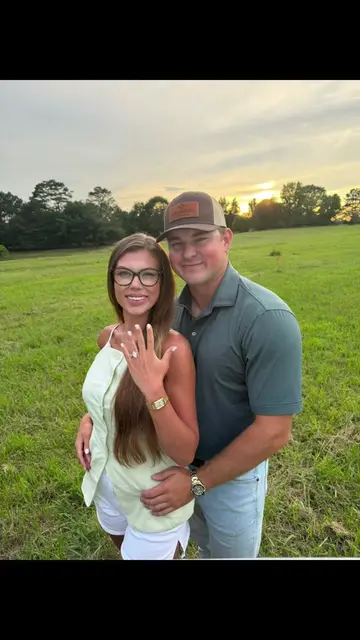
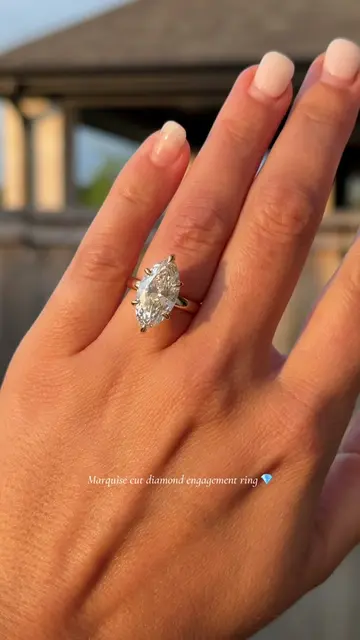
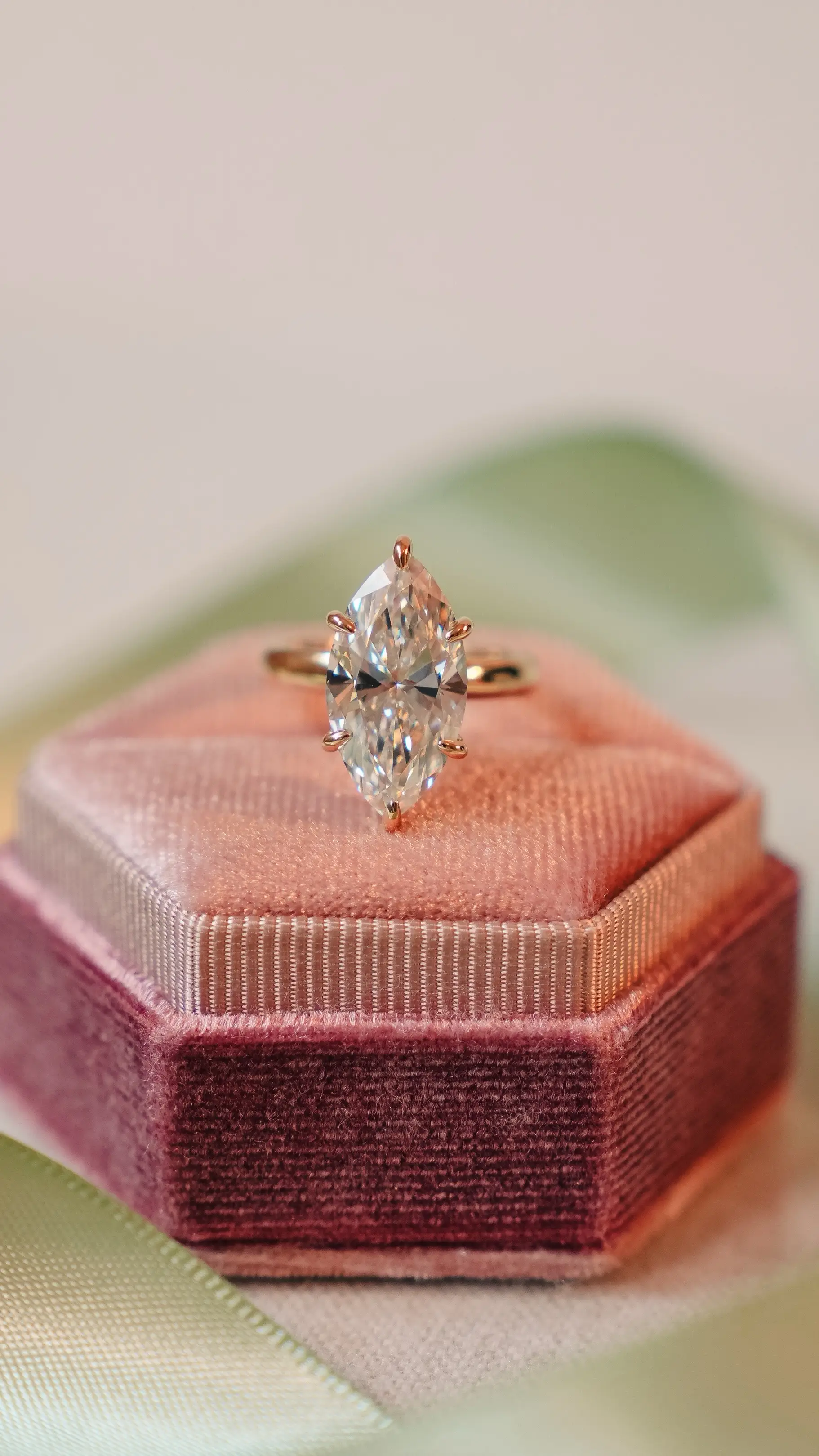
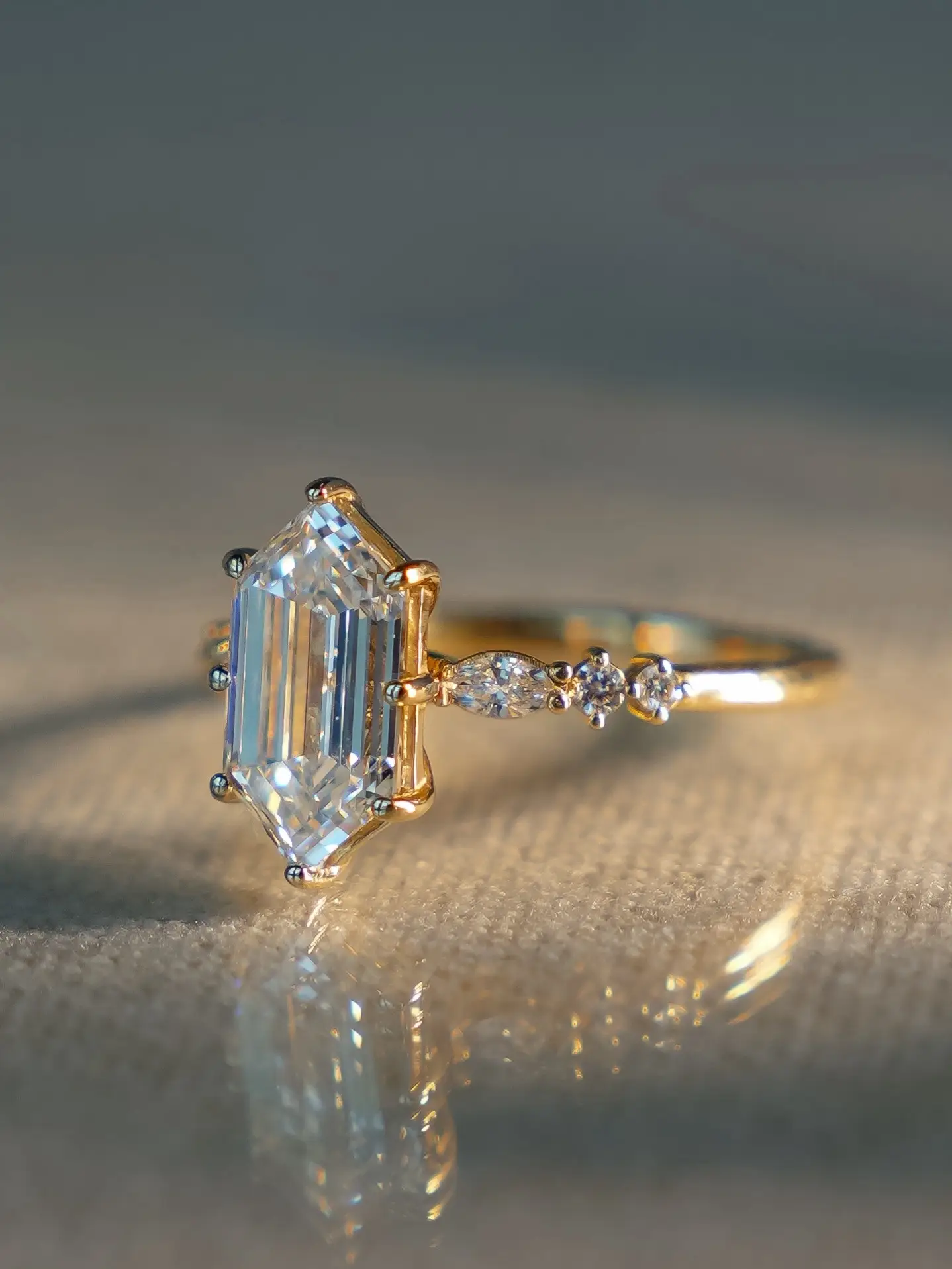
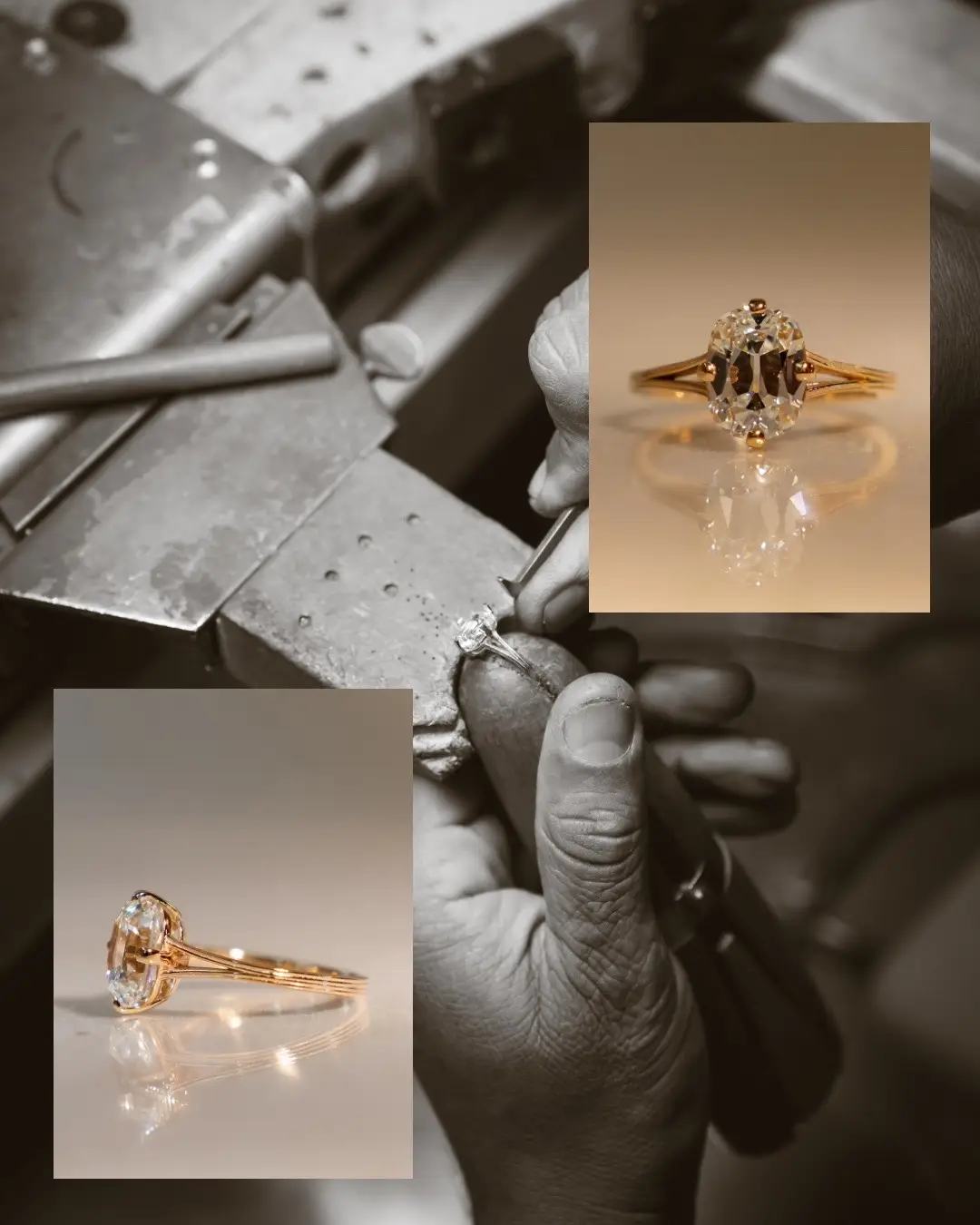
4 things I would NEVER do when designing your Engagement Ring
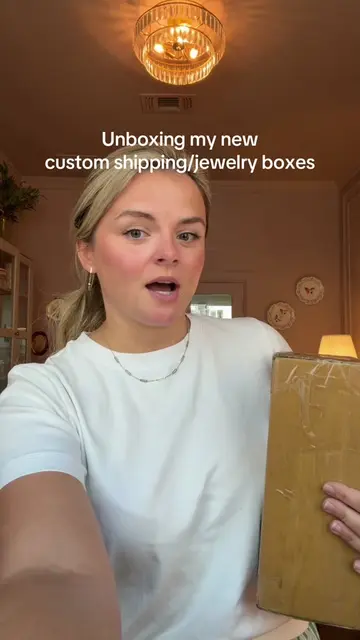
@katieclarkfinejewelry
11.1K followers · usually 3.3K views a post
Views
31.1K
Likes
1.8K
Comments
33
Shares
42
Why it worked
The video provides practical, expert advice on a significant purchase, appealing to viewers' desire for a beautiful and durable engagement ring. The creator's experience and clear explanations of potential pitfalls make the content trustworthy and shareable.
Summary
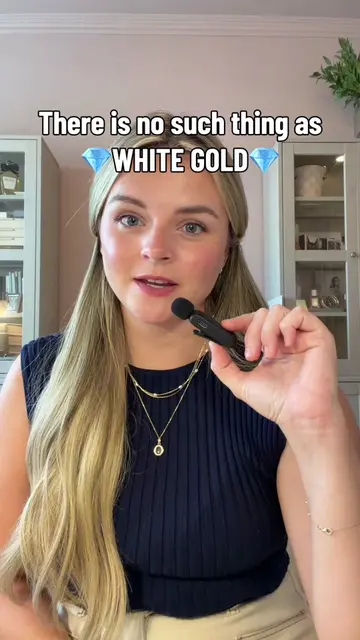
The creator, a jewelry designer with over 10 years of experience, shares four design elements she avoids when creating engagement rings. She advises against ultra-thin shanks, diamond-encrusted prongs, and low-profile settings that can interfere with wedding bands. She also cautions against designs without a gallery rail, as this can compromise the security of the center stone. Her focus is on creating durable, long-lasting rings that can withstand daily wear.
Structure
- 1Introduction of the topic: 4 engagement ring design elements to avoid.
- 2Reasoning: Designer's experience and focus on longevity.
- 3Element 1: Ultra-thin shank - risk of damage.
- 4Element 2: Diamond-encrusted prongs - structural weakness.
- 5Element 3: Low-profile setting - difficulty pairing with wedding bands.
- 6Element 4: No gallery rail - risk to the center stone.
- 7Conclusion: Emphasis on durability and long-term wear over delicate aesthetics.
On-screen text
Original caption
4 things that I personally avoid when designing engagement rings 💍✨💓 Delicate looking? Yes. Delicately built? Never. #engagementring #customengagementring #ringdesign #engagementringideas
More from @katieclarkfinejewelry
More breakout videos from this creator.