The video likely resonated due to its compelling narrative of an artist overcoming challenges, the visually appealing and unique product, and the relatable theme of pursuing passion. The viral TikTok moment provided social proof and amplified its reach.
Summary
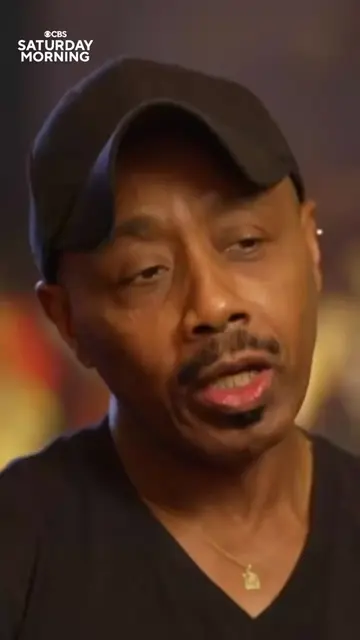
This video follows the journey of Pierre Laborde, a Haitian designer who creates unique, handcrafted handbags. After facing early struggles and a career change from clothing design, Laborde found success in the handbag market, particularly after a TikTok video about his designs went viral. He now operates with a more organized system to meet demand.
Structure
1Introduction to Pierre Laborde and his unique handbags.
2Laborde's background and transition from clothing design to handbags.
3The challenges and dedication involved in his craft.
4The viral TikTok moment and subsequent surge in demand.
Original caption
Meet the designer behind what's being called "the Birkin of Manhattan." @pierrelabordebags are the new must haves. He tells @alibauman7 why he's choosing passion over profit. #nyc #fashion #purse
More from @cbsmornings
More breakout videos from this creator.
5Laborde's strategies for managing growth and maintaining his brand.
6His philosophy on passion, uniqueness, and the value of handmade items.
Product placement
Pierre Laborde Bags (ACTS): The creator designs and sells handbags. Removing it would change the video's subject. CBS Saturday Morning (APPEARS): This is a channel logo. Removing it would not change what happens in the video. CBS Mornings (APPEARS): This is a channel logo. Removing it would not change what happens in the video.
On-screen text
CBS
SATURDAY
MORNING
IAMBRITTNEYCIARA
Pierre Laborde Bag Shopping
in NYC
pov: you just found
the cutest nyc local artist who
designs the most incredible
BAGS (under $200)
Then one day in 2024, Laborde
hit the modern-day jackpot:
A customer made a TikTok
about his designs
that went viral.
When he returned to the
market the following weekend,
hundreds of hopeful
customers were waiting.
At that time, I only had, like,
probably around 100 bags.
And then so,
everything was sold out,
I think in, like,
ten minutes.
What was that feeling like?
It was very stressful.
I was very scared.
Pierre Laborde Bag Shopping
in NYC
His bags went viral once
again late last year.
To keep up with
the demand,
Laborde took a necessary break
from selling at the Bazaar —
enlisted his nieces
and nephews
to help with sales,
and created an online
ticketing system
for customers to
reserve a spot in line.
Even those tickets book
up in minutes.
This summer,
he has returned fully stocked
with a new
system in place.
It's really easy to kind of just
walk into like a designer store
and pick something
that everybody has.
And knowing that these
are so different and unique
and no bag is
really the same.
It's something that
I'm really excited about.
His whimsical style is a rarity
against the growing popularity
of neutral palettes.
Pantone's Color of 2026
was Cloud Dancer.
And in our world of fast fashion,
Laborde steadfastly
sticks to his process
in the same Harlem apartment.
Why is that
important for you
to still cut every
bag by hand?
You could probably be making
a lot more money
if you did mass produce it,
hire more people
to work on it.
The way it started,
I wanted everything
to be custom made.
I just wanted things
to be different.
The money won't
make you happy.
I want to keep
my passion going,
so I just want to keep
going the way I'm going.
To me, it makes me happier.
Transcript
I came all the way from India.
For this bag?
Yes.
I'm so happy.
I just need one more.
Each colorful handbag is handcrafted and one of a kind.
We met the designer in his Harlem apartment...
This is going to be the front of the bag.
where he spends all day, every day...
This will be a part of the top.
This will be a part of the top.
carefully constructing each purse.
This is going to be the back.
For me, all my customers, they know whenever they buy something for me, it's a part of me.
I cut it.
I, you know, it's made here.
Born and raised in Haiti, Francis Pierre Laborde emigrated to New York after high school to pursue a career in fashion.
He was accepted to the Fashion Institute of Technology, but could only afford to pay for one class at a time.
It could be, like, discouraging, but this is what I wanted to do.
He began working odd jobs in New York's Garment District, but soon realized the world of clothing design was not for him.
I was like, "OK, I'm not going to do this anymore."
But I still love fashion, though.
And I took classes on making bags, and I felt like, "Wow, making bags, accessories, like, different from making a garment, because you're more free."
You know, you're more free to design.
Inspired by the kaleidoscope-like buses back in Haiti — known as camionnettes —
Laborde began mixing vibrant fabrics with dyed leathers, selling them to friends and family.
Red
green
yellow —
so many colors.
You know, it's like, you never expected, you know, like all these things will stay in your mind.
And it's like when you start designing, you know, it's just like, this is all the Caribbean things in me.
Friends, you know, support me.
People will come and buy.
But I was always afraid to go out there.
Why?
Because I didn't think I was good.
Finally, a friend convinced him to open a stand at the Grand Bazaar,
one of New York's oldest and largest artisan flea markets.
How many bags would you sell in a day?
When I first started, like, some days I would sell zero bags.
Yeah.
And when things started getting better,
I would sell, like, three bags, five bags.
For years, he trudged along like this, making a few sales each weekend.
It was never easy.
And then you know, I felt like I had to keep going.
I mean, I feel like if I were doing anything else, I wouldn't be happy.
I only had, like, probably around 100 bags.
And then so, everything was sold out, I think in, like, ten minutes.
What was that feeling like?
It was very stressful.
I was very scared.
I saw the girly pop
his bags went viral once
again late last year.
To keep up with
the demand,
Laborde took a necessary break
from selling at the Bazaar —
enlisted his nieces
and nephews
to help with sales,
and created an online
ticketing system
for customers to
reserve a spot in line.
Even those tickets book
up in minutes.
This summer,
he has returned fully stocked
with a new
system in place.
It's really easy to kind of just
walk into like a designer store
and pick something
that everybody has.
And knowing that these
are so different and unique
and no bag is
really the same.
It's something that
I'm really excited about.
His whimsical style is a rarity
against the growing popularity
of neutral palettes.
Pantone's Color of 2026
was Cloud Dancer.
And in our world of fast fashion,
Laborde steadfastly
sticks to his process
in the same Harlem apartment.
Why is that
important for you
to still cut every
bag by hand?
You could probably be making
a lot more money
if you did mass produce it,
hire more people
to work on it.
The way it started,
I wanted everything
to be custom made.
I just wanted things
to be different.
The money won't
make you happy.
I want to keep
my passion going,
so I just want to keep
going the way I'm going.
To me, it makes me happier.
 3 videos