Loading video…
Sound

original sound - taxexpert04
Tax Expert · Original audio
0:00–:––
Playing this video’s own audio, so you’ll hear the creator over the sound.
Hook
Posted Aug 31, 2026Video · 4:37by @taxexpert04
We didn’t find a product being promoted in this video. Its hook, format and structure below still show why it took off.
Browse products winning on TikTokThe video addresses a common financial anxiety about losing money in dormant accounts, using clear on-screen text and relatable examples to explain a complex legal concept. The "PART1" suggests a series, encouraging viewers to return for more information.
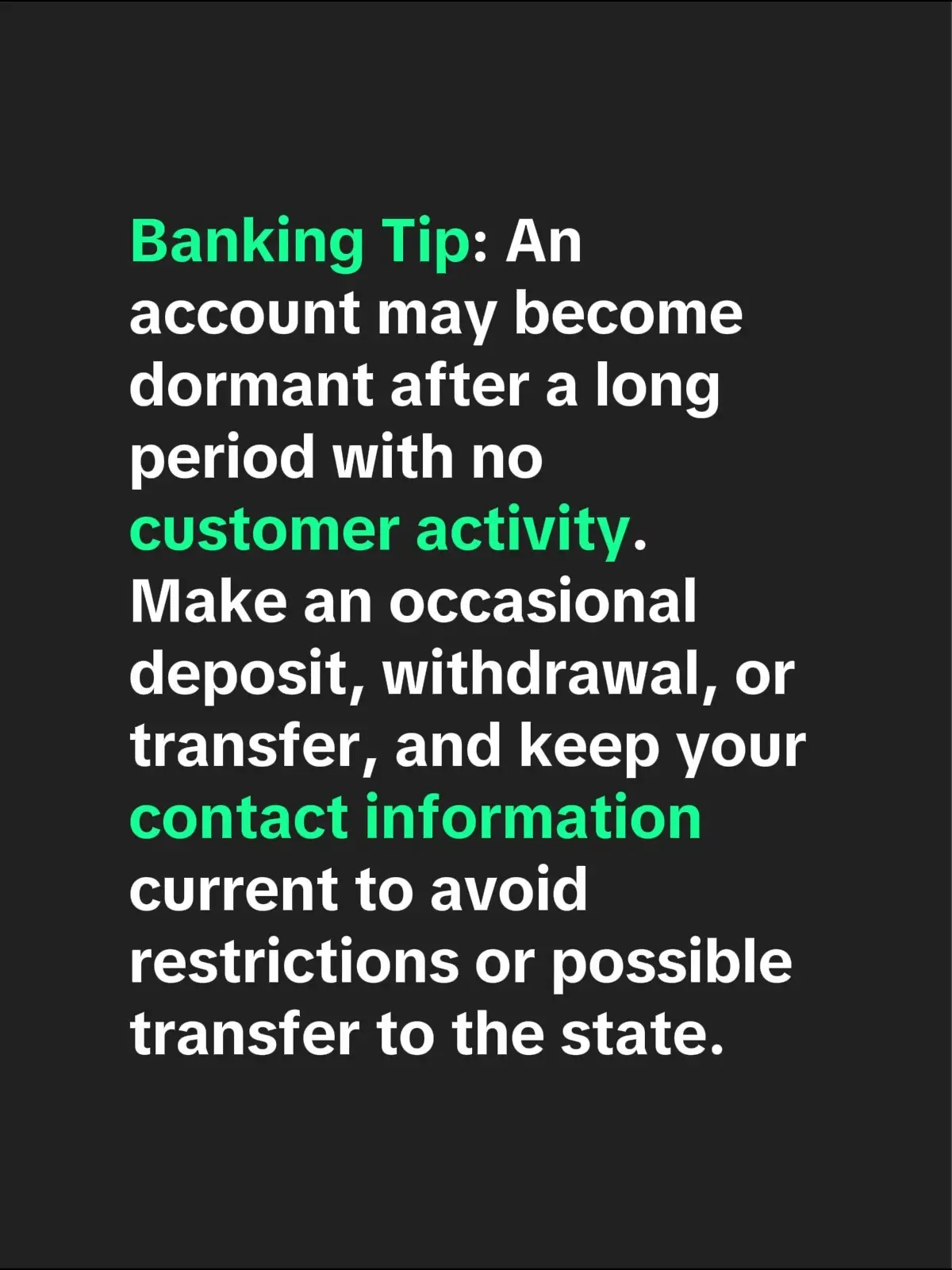
This video explains how banks can take unclaimed savings after a period of inactivity, typically 3-5 years depending on the state. It details what actions count as 'using' an account to prevent it from being considered dormant and highlights that the responsibility lies with the account owner to prove activity, not the bank to make exceptions.
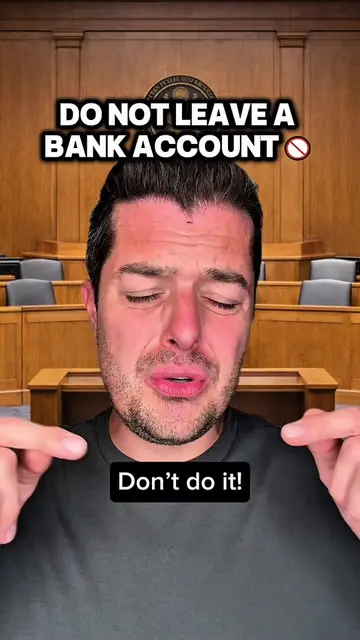
Banks Can Take Your Savings After 65 if You Leave It Alone Too Long |PART1 #seniorfinance #bankaccount #retirement
Banks Can Take Your Savings After 65 if You Leave It Alone Too Long
Introduction to the problem: banks taking savings.
Explanation of what constitutes 'activity' on an account.
Discussion of state laws and timeframes for dormancy.
The role of the bank vs. the account owner.
Identification of at-risk accounts.
Conclusion on who is 'caught' by the system.
Nia Prescott (creator): appears as the speaker in the video, explaining financial concepts. Removing her would change what happens in the video. FDIC.gov (website): appears as a source for information. Removing it would not change what happens in the video.
Playing this video’s own audio, so you’ll hear the creator over the sound.
Outliers and viral hits: their videos on Overshot, all time.