Loading video…
All breakouts
44.6Talking HeadStory Open hookHealth
Hook
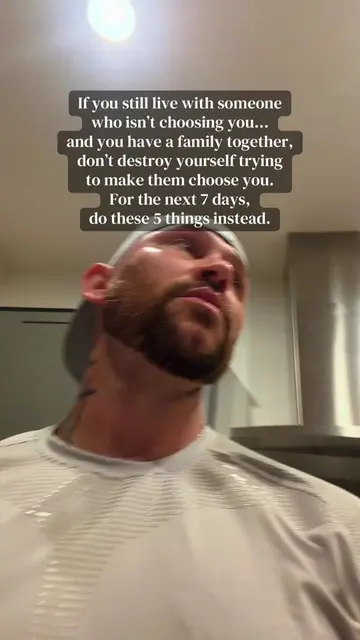
If you introduced someone new into your child's life... and they eventually left, they didn't just leave. you heartbroken. They left a little heart wondering what happened, whether they did something wrong, and if they'll ever see that person again. For the next 5 days I'll give you five reasons...
@_chris_k241
42.7K followers · usually 1.9K views a post
Views
50.1K
Likes
1.8K
Comments
36
Shares
81
Why it worked
The video addresses a sensitive and relatable emotional topic for parents, offering practical advice and a structured approach over several days, which encourages viewer engagement and return viewership.
Summary
The creator discusses the emotional impact on a child when someone new introduced into their life eventually leaves. He outlines the first step in helping a child cope with this loss: giving them permission to grieve and express their feelings without judgment.
Structure
- 1Introduction to the child's emotional pain after a person leaves
- 2The creator's promise of a 5-day series
- 3Day 1: Giving permission to miss the person
- 4Validating the child's feelings and attachment
- 5Avoiding guilt for continued affection
On-screen text
If you introduced someone new into your child's life... and they eventually left, they didn't just leave. you heartbroken. They left a little heart wondering what happened, whether they did something wrong, and if they'll ever see that person again. For the next 5 days I'll give you five reasons...
Transcript
Original caption
For the next five days, follow these five steps. DAY 1 — GIVE THEM PERMISSION TO MISS THEM. Don’t tell your child, “You shouldn’t be sad,” or “You’ll get over it.” Let them miss the person. Let them ask questions. Let them say their name. Let them admit that they loved them. Your child’s attachment to that person was real, even if the relationship between the adults didn’t last. And whatever you do, don’t make your child feel guilty for still loving someone you no longer have a relationship with. You can say: “It’s okay to miss them. I miss things too. You didn’t do anything wrong.” DAY 2 — DON’T MAKE PROMISES YOU CAN’T KEEP. Your child may ask: “Are they coming back?” “Will I ever see them again?” “Do they still love me?” And you’re going to want to make the pain disappear. But don’t promise something you don’t control. Instead, give them honesty they can understand: “I don’t know if we’ll see them again, but I know you didn’t cause this, and you’re loved.” Children can handle uncertainty better than they can handle false hope. DAY 3 — DON’T MAKE THEM CARRY THE ADULT STORY. Your child doesn’t need the details of the breakup. They don’t need to know who cheated. Who lied. Who left. Who was wrong. Who broke whose heart. Those are adult problems. Your child needs to know one thing: “This happened between the adults. It was never your fault.” Don’t turn their love for that person into evidence against them. Let your child keep the good memories without forcing them to hate someone just because the relationship ended badly. DAY 4 — LET THEM GRIEVE THE RELATIONSHIP TOO. You aren’t the only one who lost something. Maybe that person was there for bedtime. School drop-offs. Birthdays. Family dinners. Movie nights. Maybe your child had a nickname for them. Maybe they became part of your child’s little world. And then suddenly… they’re gone. That’s a loss. Don’t minimize it because your relationship with that person ended. Your child may be grieving someone they never had the words to call a loss. Give them space to draw. Talk. Cry. Remember. Ask questions. And if they need professional support, don’t be afraid to get it. Sometimes children need somewhere safe to process a loss that adults don’t fully understand. DAY 5 — TEACH THEM THAT PEOPLE LEAVING DOESN’T MEAN THEY ARE UNLOVABLE. This might be the most important one. Because children are still building their understanding of relationships. And when someone they trusted suddenly disappears, their little mind may quietly ask: “Was it because of me?” Make sure they hear the opposite. Tell them: “Adults sometimes make decisions that have nothing to do with how lovable you are.” “You didn’t cause this.” “You weren’t too much.” “You didn’t do anything wrong.” And most importantly: “You are still worthy of being loved, even when someone chooses to leave.” Because here’s the truth parents sometimes forget: You were healing from a broken relationship… while your child may have been quietly grieving the loss of a person they thought was becoming part of their world. So be careful with the little hearts involved. Don’t make them responsible for your heartbreak. Don’t make them choose sides. Don’t make them feel foolish for loving someone who left. And don’t teach them that every person who leaves means they weren’t worthy of staying. Sometimes relationships end. Sometimes adults make decisions children don’t understand. And sometimes people disappear from our lives without giving us the closure we wanted. But your child can come through that experience knowing something incredibly important: “Someone leaving me doesn’t mean something is wrong with me.” Because you may eventually heal from the heartbreak. But your child is still learning what love means. Make sure this experience doesn’t teach them that love always leaves. This page is dedicated to helping people navigate heartbreak, attachment wounds, emotional pain, self-awareness, and deep reflection through brutal honesty, psychology, faith, and inward healing. #children #heartbroken #relateable #hurt #chriscarrillo
More from @_chris_k241
More breakout videos from this creator.