Loading video…
All breakouts
101Text-HeavyHow-To hookEducation
Hook
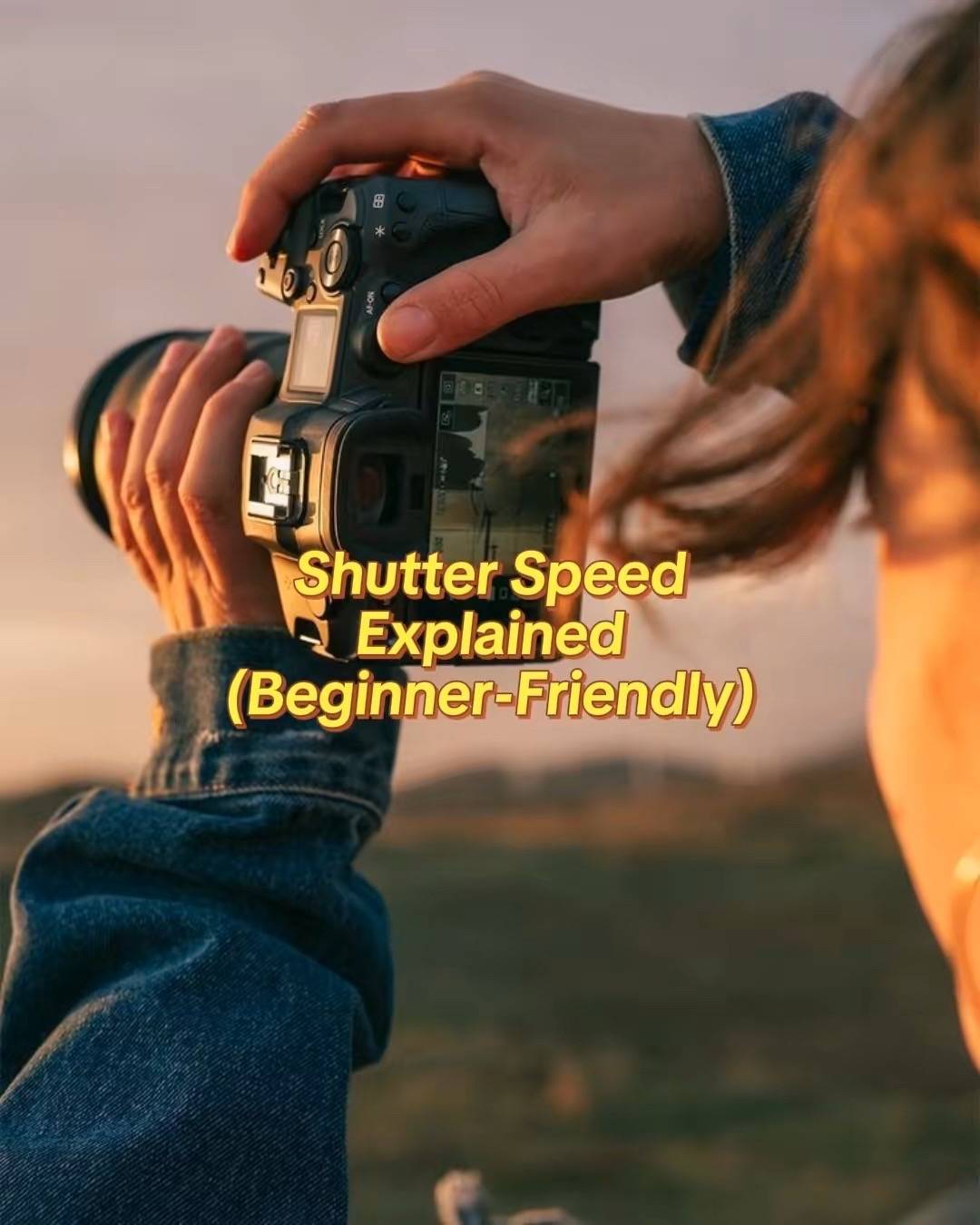
Shutter Speed Explained (Beginner-Friendly)
@mandaleephotography
10.4K followers · usually 640 views a post
Views
63.8K
Likes
5.1K
Comments
19
Shares
365
Why it worked
The post provides high-value, actionable educational content in a concise, visual format that is easy for beginners to digest and save for later reference.
Summary
This is an educational slideshow explaining the concept of shutter speed in photography, including how it affects motion blur and light exposure. It provides a cheat sheet for different shutter speed settings and demonstrates how to adjust them on Canon and Nikon cameras.
Structure
- 1Introduction to shutter speed
- 2Explanation of motion blur vs frozen motion
- 3Visual guide to camera settings
- 4Comprehensive shutter speed cheat sheet
- 5Summary of fast vs slow shutter effects
On-screen text
Shutter Speed Explained (Beginner-Friendly)
How long each frame is exposed
Shutter speed is how long your camera lets light in
1/10 1/100 1/1000
Impacts motion blur
Slow Shutter Speed
BLURS motion
Slow = Blur
Fast Shutter Speed
FREEZES motion
Fast = Sharp
This is your Shutter Speed
Put the camera in
Shutter Priority Mode
Canon
Nikon
Turn this dial to change shutter speed
SHUTTER SPEED CHEAT SHEET
When to use:
1/4000 Really fast movement in bright sunny light.
1/2000 Water splashing, bird in flight. Bright sunny light.
1/1000 Bright light or shade on a sunny day, sports, fast moving cars.
1/500 Kids jumping, lots of ambient light, running.
1/250 General ever day photos in good but indirect sunlight.
1/125 Perfect for still portraits or still photos in indirect ambient light.
1/60 Slowest handheld speed, low indoor lighting or low ambient light.
1/30 Movement will show, good for low amibient light.
1/4 Low to no ambient light available, perfect for still photography with tripod. Will show movement.
1 Second+ For long exposures, will show lots of movement, light trails, water flowing, ghosting. Tripod recomended.
Fast shutter speed for bright sunny days or to freeze fast movement like sports.
Slow shutter speed for low ambient light and to show movement.
Fast shutter
less light + frozen motion
Slow shutter
more light + motion blur
Big number (1/1000)
quick snap
Small number (1/60, 1")
slow snap
Original caption
Ever wonder why some photos are blurry while others freeze the action perfectly? 🤔 Your shutter speed controls how long your camera’s sensor is exposed to light, affecting both motion AND exposure. Here’s the simple breakdown: 📸 Faster shutter speed like 1/250 or 1/1000 = freezes motion, BUT lets in less light because the sensor is exposed for less time. Great for kids, pets, sports, and moving subjects. 🌙 Slower shutter speed like 1/30, 1/2, or several seconds = captures more movement and lets in more light because the sensor is exposed for longer. Great for intentional motion blur, light trails, and certain low-light situations. ✨ Easy way to remember: Faster shutter = less light + less motion blur Slower shutter = more light + more motion blur Shutter speed is just one part of the exposure triangle, along with aperture and ISO. When you change one, you may need to adjust another to get the exposure you want. Follow for more beginner-friendly photography tips that make learning your camera simple. 📸 #PhotographyTips #BeginnerPhotography #ShutterSpeed #Photography101 #LearnPhotography
More from @mandaleephotography
More breakout videos from this creator.