Loading video…
All breakouts Locked — upgrade to Pro to open.Open on TikTokPro

No preview available · watch on TikTok below
5.9Finance
Post
Post by @gritcapital
@gritcapital
214.6K followers · usually 6.3K views a post
Views
36.8K
Likes
335
Comments
30
Shares
22
We’re still analyzing this post.
Original caption
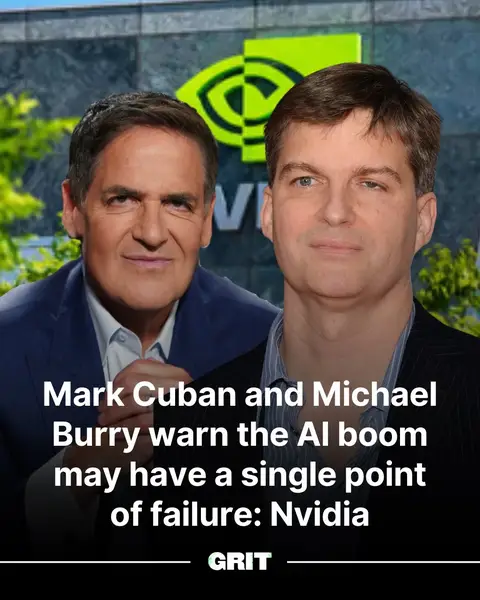
AI anxiety dominated the weekend. Now Wall Street is debating whether the panic is justified — or self-serving. Anthropic CEO Dario Amodei called for slowing the pace of frontier AI development, warning that capabilities are advancing faster than safety measures can keep up. Then some of AI’s biggest leaders backed him: Sam Altman said the industry needs to “pace the frontier.” Elon Musk said Amodei was “right.” Other major AI leaders have also supported a more deliberate approach to development. By Monday morning, AI-linked stocks were selling off as investors considered what a slowdown could mean for one of the market’s biggest growth trades. But Michael Burry isn’t buying the argument. The investor made famous by The Big Short called the slowdown push “self-serving,” arguing it could: • Protect today’s AI leaders from fast-growing competitors • Keep the “AI is so powerful it’s dangerous” narrative alive ahead of potential IPOs • Provide cover if underlying AI growth is already beginning to slow That creates a very different question for investors. Are AI leaders warning that the technology is becoming too powerful — or trying to protect the enormous businesses they’ve already built around it? Either way, the debate matters for markets. Billions in spending on chips, data centers, networking and power are built around the assumption that frontier AI models keep becoming more powerful — and demanding more compute. If that trajectory slows, whether because of safety concerns or weaker growth, some of the biggest assumptions underpinning the AI trade could be tested.
More from @gritcapital
More breakout videos from this creator.