Loading video…
All breakouts Locked — upgrade to Pro to open.Open on TikTokPro
No preview available · watch on TikTok below
7.7Health
Post
Post by @drjoedamiani
@drjoedamiani
609.5K followers · usually 18.4K views a post
Views
139.6K
Likes
4.1K
Comments
40
Shares
1.3K
We’re still analyzing this post.
Original caption
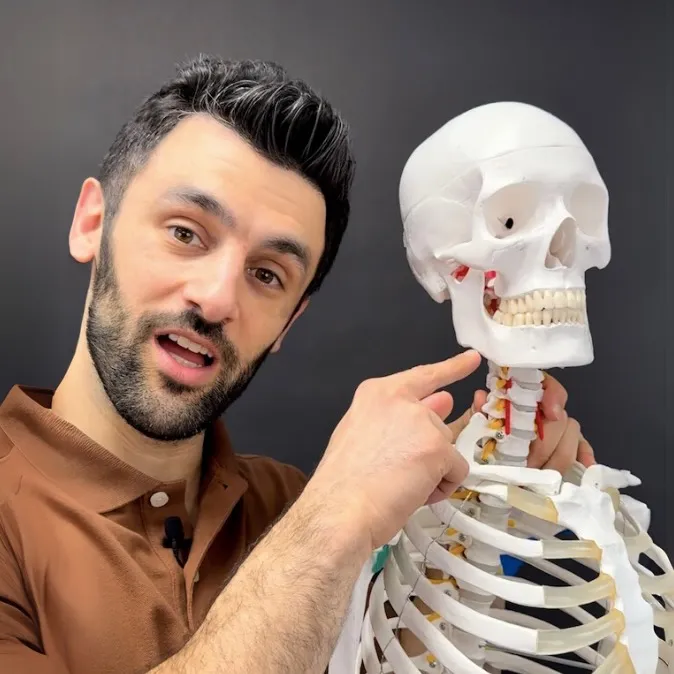
🔥 Headaches or migraines? Your upper trapezius may be part of the pain cycle! Research has found an association between headache frequency and changes within the upper trapezius, suggesting this muscle may be more involved in headaches than simply feeling “tight.” 💡 Here’s the connection: ⚡ The upper trapezius receives nerve supply involving the upper cervical region. ⚡ Sensory information from the upper neck converges with pathways that also process pain from the head and face. ⚡ This helps explain why irritation and sensitivity around the neck and upper trapezius can sometimes be experienced as headache pain. But which comes first? Does an irritated upper trapezius contribute to the headache—or does a sensitized headache system make the trapezius more sensitive? The relationship can go both ways, which is why we want to address the muscle AND the nervous system. 🛠️ Try this 3-part approach: ✅ STEP 1: Contract → relax → stretch Tilt away from the upper trap, look down, and rotate toward the tight side. Then use your hand to resist as your upper trap contracts. Afterward, relax and gently move farther into the stretch. ✅ STEP 2: Gentle nerve mobility Look down and gently tilt your head to the side, return to neutral, and repeat. Keep this movement comfortable rather than forcing the stretch. Try 2 reps, 3x/day as shown. ✅ STEP 3: Progressive muscle relaxation Starting at your feet, tighten a muscle group for about 5 seconds, then completely relax for about 15 seconds. Gradually work your way up the body. 🔥 Why this matters: The goal isn’t just to loosen one “tight” muscle. It’s to address the combination of muscular tension, cervical sensitivity, and nervous-system processing that may contribute to recurring headaches. And learning how pain actually works can be part of treatment too—pain education can help reduce fear and improve how you respond to symptoms. #Headaches #Migraines #UpperTrapezius #NeckPain #HeadacheRelief
More from @drjoedamiani
More breakout videos from this creator.


