Loading video…
Sound

original sound - hopebraincenter_
Hope Brain & Body Center · Original audio
0:00–:––
Playing this video’s own audio, so you’ll hear the creator over the sound.
The video effectively explains a complex medical procedure in an accessible way, using a combination of on-screen text and clear verbal explanations. The visual demonstration of the chair and the accompanying software interface makes the diagnostic process understandable and intriguing, appealing to viewers interested in health and medical technology.
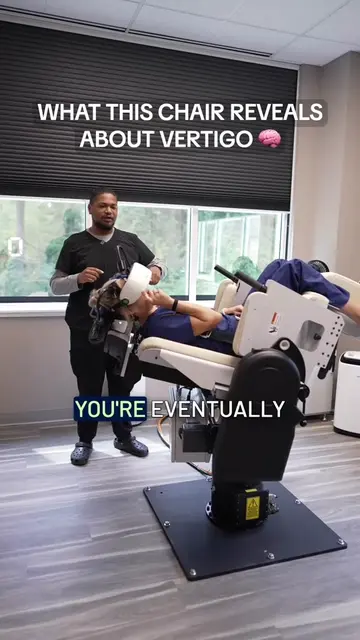
A medical professional explains how a specialized chair and AI-powered eye-tracking system are used to diagnose vertigo by analyzing a patient's eye movements in response to vestibular stimulation. The technology helps identify abnormalities in the inner ear and vestibular system to guide treatment.
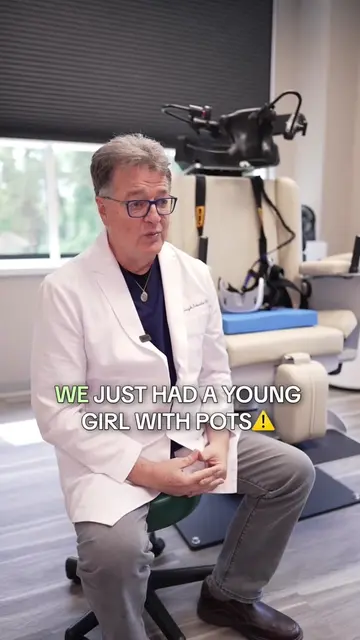
Book Free Discovery Call: https://hopebraincenter.com/book/ Your eyes can reveal an incredible amount about how your brain and inner ear are processing movement. When the vestibular system is stimulated, fluid movement within the inner ear activates sensory structures that communicate with the brain. This produces predictable reflexive eye movements that clinicians can measure and analyze. Dr. Joseph Schneider explains how AI-assisted eye-tracking technology can help analyze these responses—looking at characteristics such as eye velocity, timing, symmetry, direction, and the strength of the response. Instead of relying only on a patient saying, “I feel dizzy” or “the room feels like it's moving,” objective eye-movement data can provide another piece of information about how the vestibular system is functioning. If testing identifies unusual patterns or asymmetries, those findings can be considered alongside the patient's symptoms and broader neurological examination to help guide a more personalized rehabilitation strategy. 💙 Your eyes don't just help you see—they can give us a window into how your brain processes balance and movement. 📅 Schedule your Free Discovery Call today: https://hopebraincenter.com/book/
THIS CHAIR CAN HELP WITH MY VERTIGO???
Introduction to the chair and its purpose for vertigo
Explanation of the test and eye movement tracking
How inner ear fluid movement affects eye response
AI analysis of eye movements for diagnosis
Determining normality, asymmetries, and responsiveness
Application of findings for patient treatment
Spryson chair: it is a medical device that rotates and tilts a patient to test their vestibular system and eye movements. It ACTS by performing these movements and is essential to the test. Removing it would change what happens in the video. i-Portal 2024: it is a software system that analyzes eye movements and vestibular responses. It ACTS by displaying data and analysis. Removing it would change what happens in the video.
Book Free Discovery Call: https://hopebraincenter.com/book/
Playing this video’s own audio, so you’ll hear the creator over the sound.
Outliers and viral hits: their videos on Overshot, all time.
Rotating diagnostic chair with eye tracking for clinicians assessing vertigo
All time.