Loading video…
All breakouts
396Talking HeadCuriosity Gap hookOther
Hook
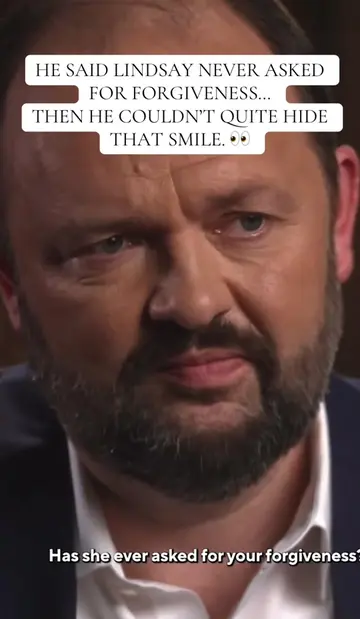
I SLOWED IT DOWN... SO YOU CAN SEE THE micro smirk AS IT HAPPENS
@kara_marlene
44.6K followers · usually 1.2K views a post
Views
699.3K
Likes
15.1K
Comments
837
Shares
895
Why it worked
The video likely performed well due to its focus on a universally relatable human behavior (suppressed emotions) and the use of a dramatic, slowed-down visual to emphasize a subtle detail, creating intrigue and encouraging rewatching.
Summary
The video analyzes a clip of a man's face, highlighting a micro-smirk that appears and then is quickly suppressed. The creator points out this subtle expression as incongruent affect, suggesting it contradicts the man's outward presentation.
Structure
- 1Introduction of slowed-down footage
- 2Highlighting a micro-smirk
- 3Man's reaction to the question
- 4Suppression of the smirk
- 5Explanation of incongruent affect
On-screen text
I SLOWED IT DOWN...
SO YOU CAN SEE THE micro
smirk AS IT HAPPENS
Transcript
Has she ever asked for your forgiveness? Has she ever asked for your forgiveness? No, but I gave it to her.
Original caption
Patrick Clancy’s Micro-Expression Is Going to Have People REPLAYING This Nope. Watch it again. Not after the answer. BEFORE it. Patrick starts to smile. Then he catches it. His lips clamp together. His head starts shaking no. And the expression disappears. There’s actually a term people use in body-language analysis for a fleeting expression that seems to contradict the emotion someone is consciously presenting: incongruent affect. You’ll also hear the controversial phrase “duping delight” used when someone appears to flash a smile while denying or concealing something. And THIS is exactly why I slowed the clip down. Because at full speed, it’s gone in a fraction of a second. Slow it down? Smile. Catch it. Suppress it. Shake the head no. You tell me what your eyes are seeing. Because his mouth said one thing… but his face got there first. #PatrickClancy #LindsayClancy #60Minutes #lindsayclancytrial #TrueCrimeTok
More from @kara_marlene
More breakout videos from this creator.