Loading video…
Sound

original sound - .isabellagrace0
isabella | books & uni · Original audio
0:00–:––
Playing this video’s own audio, so you’ll hear the creator over the sound.
This video promotes it, but we haven’t matched it to a product page yet, so there are no product figures.
The video provides practical, actionable advice for a common student problem (note-taking for readings) using a popular and accessible tool (Notion). The creator's personal experience and clear explanation of the benefits, such as avoiding plagiarism and improving grades, make the content relatable and valuable.
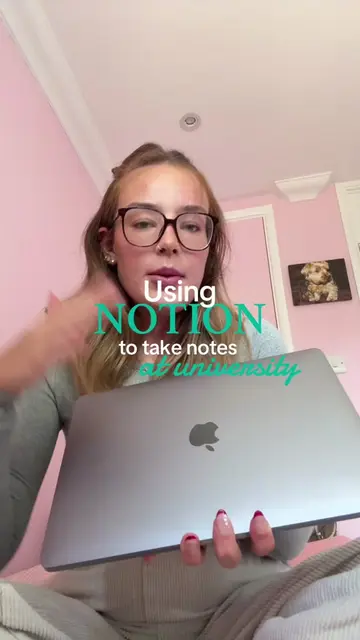
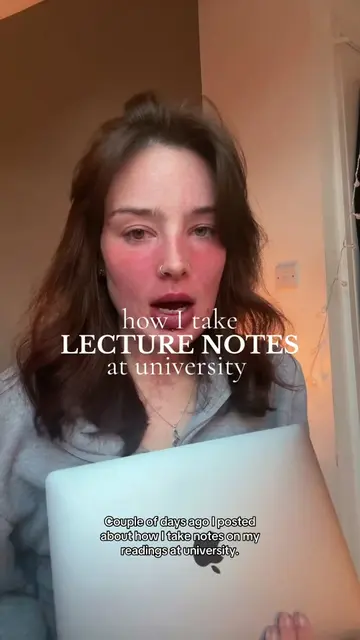
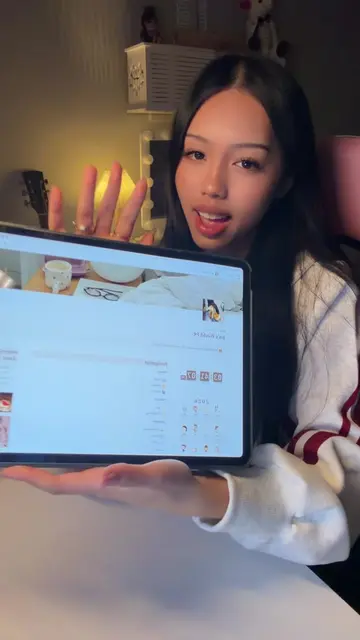
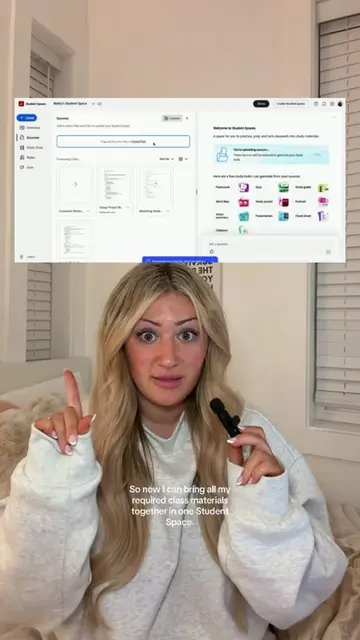
The creator explains their method for taking university reading notes using Notion. They emphasize the importance of noting down source details, summarizing in their own words, and critically engaging with the text by asking specific questions. This approach helps avoid plagiarism and improves essay writing.
an efficient way to make notes on readings at uni ✒️ #uniadvice #university #studytok
HOW TO DO READINGS at university
Introduction to the problem of taking reading notes
Explaining the creator's method of creating a new Notion page for each reading
Detailing the information to include in notes (heading, author, source)
Explaining the importance of critical engagement with the text
Demonstrating how to summarize and critically analyze readings
Concluding with the benefits of this method for essays and grades
Notion (ACTS - used to create and organize notes, removing it would change how notes are taken and organized; removing it would change what happens in the video).
Playing this video’s own audio, so you’ll hear the creator over the sound.
Promotes 1 product. Create free account to see more.
Outliers and viral hits: their videos on Overshot, all time.