Loading video…
All breakouts
311Talking HeadDirect Question hookHealth
Hook
Your cat's collapsed and they're not breathing, would you know what to do?
@jade.the.vet.nurs
261.0K followers · usually 6.8K views a post
Views
2.1M
Likes
259.5K
Comments
1.7K
Shares
50.5K
Why it worked
The video provides high-utility, life-saving information in a clear, calm, and structured format, making it highly shareable and 'saveable' for pet owners.
Summary
A veterinary nurse provides a step-by-step tutorial on how to perform CPR on a cat. The video covers assessing the airway, checking for breathing and circulation, and the proper technique for chest compressions and rescue breaths.
Structure
- 1Assess the situation using the A-B-C method
- 2Check for airway obstructions
- 3Monitor breathing and gum color
- 4Check for a heartbeat
- 5Perform chest compressions at the correct rate
- 6Deliver rescue breaths and cycle until help arrives
Call to action
Hit the follow button, save this video, and don't forget to share and repost it.
On-screen text
SAVE INCASE YOU NEED THIS!
HOW TO GIVE CPR TO A CAT
Vet Nurse Advice
YOUR CAT'S COLLAPSED
AND THEY'RE NOT BREATHING
WOULD YOU KNOW
WHAT TO DO?
IF YOUR FIRST
THOUGHT WAS TO PANIC
THEN YOU NEED
TO WATCH THIS VIDEO
BECAUSE KNOWING
CPR FOR YOUR PETS
COULD POTENTIALLY SAVE
THEIR LIFE
REMEMBER A, B
AND C
A IS FOR AIRWAY
IS THERE ANYTHING
OBSTRUCTING YOUR CAT'S AIRWAY
HAVE THEY CHOKED
ON ANYTHING
IF YES YOU
HAVE TO GET
THAT OBJECT OUT
THE AIRWAY MUST
BE CLEAR FOR
YOU TO GIVE EFFECTIVE
CPR
ONCE YOU'RE SURE
THE AIRWAY IS CLEAR
MOVE ON TO
B WHICH IS FOR BREATHING
ARE THEY BREATHING
CHECK THEIR GUM COLOUR
ARE THEY GOING
A SHADE OF
BLUE OR PURPLE
THEN WE MOVE
ON TO C
WHICH IS FOR CIRCULATION
CAN YOU FEEL
A HEARTBEAT
PLACE
TWO FINGERS BEHIND
YOUR CAT'S ELBOW
CAN YOU FEEL
THEIR HEARTBEAT
IF THERE'S NO
HEARTBEAT OR PULSE
AND YOUR CAT
IS NOT BREATHING
OR THEY'RE GOING
BLUE OR PURPLE
WE NEED TO START
CPR IMMEDIATELY
IT'S IMPORTANT THAT
YOU CALL YOUR
VET TO ALERT
THEM OF THE SITUATION
IDEALLY ON A
FLAT HARD SURFACE
NOW YOU'RE GONNA
NEED TO GIVE
30 COMPRESSIONS AT
120 BEATS PER MINUTE
THAT IS TWO
BEATS A SECOND
You can do this to
• Staying Alive - The Bee Gees
• Pink Pony Club - Chappell Roan
MAKE A C
SHAPE OUT OF
YOUR FINGERS AND THUMB
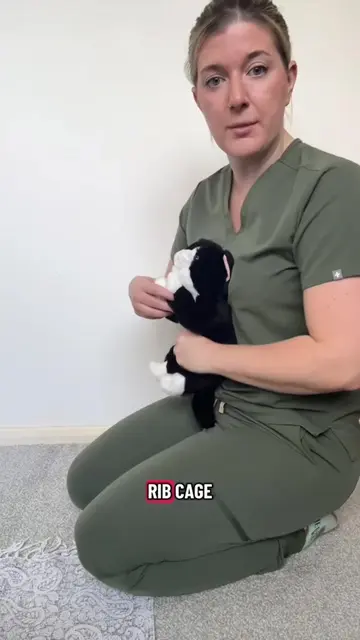
PLACE YOUR FINGERS
UNDERNEATH YOUR CAT'S
RIB CAGE WITH
YOUR THUMB ON TOP
BEHIND THEIR ELBOWS
PRESS THEIR CHEST
ONE THIRD TO
A HALF
OF THE DEPTH OF
THEIR ENTIRE CHEST DEPTH
30 TIMES AND
IT WILL LOOK
SOMETHING LIKE THIS
NOW IT'S IMPORTANT
THAT YOUR HAND
MOTION IS DOING
THIS AND NOT THIS
BE APPLYING EVEN
PRESSURE ACROSS THE
RIB CAGE
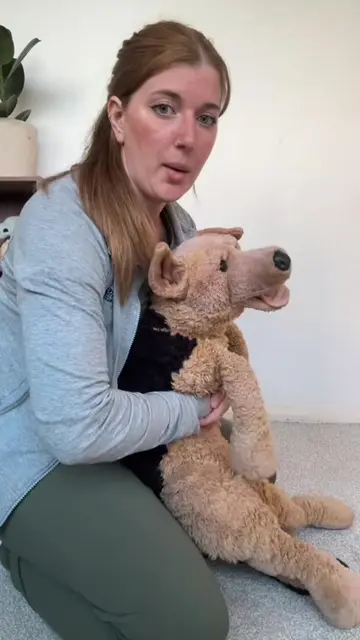
IF YOUR CAT
IS PARTICULARLY LARGE
YOU CAN DO
THIS WITH TWO
HANDS DOING THE
SAME ON EACH SIDE
SO ONE HAND
AT THE FRONT
ONE HAND AT
THE BACK
AND APPLYING EVEN
PRESSURE
LIKE SO
AFTER YOU'VE GIVEN
THE 30 COMPRESSIONS
YOU'RE THEN GOING
TO NEED TO GIVE
TWO BREATHS
YOU'RE GOING TO
NEED TO PLACE
YOUR LIPS AROUND
YOUR CAT'S NOSE
AND MOUTH
AND GENTLY DELIVER
TWO BREATHS
WATCH THE RIB
CAGE RISE AND
FALL AFTER EACH BREATH
TO MAKE SURE
YOU'RE DELIVERING SUFFICIENT OXYGEN
IT WILL LOOK
SOMETHING LIKE THIS
AFTER THE TWO
BREATHS STRAIGHT BACK
INTO THE COMPRESSIONS
YOU NEED TO
KEEP CYCLING BETWEEN
30 COMPRESSIONS AND
TWO BREATHS
UP UNTIL ABOUT
AFTER TWO MINUTES
YOU CAN PAUSE
TO CHECK IF
THERE ARE ANY
SIGNS OF LIFE
IS YOUR CAT BREATHING
CAN YOU FEEL
A HEARTBEAT
IF YOUR CAT
IS SHOWING ANY SIGNS
OF LIFE FANTASTIC
GET THEM TO
THE VET AS
SOON AS POSSIBLE
IF YOUR CAT
IS NOT BREATHING
AND DOESN'T HAVE
A HEARTBEAT YET
KEEP GOING WITH
CPR OR AS ADVISED
BY YOUR VETERINARIAN
ON THE PHONE
KNOWING CPR
COULD SAVE
YOUR PET'S LIFE
IT'S BETTER TO
BE PREPARED IN
A STATE OF
EMERGENCY THAN PANICKING
SO PLEASE IF
YOU'RE NOT ALREADY
HIT THE FOLLOW
BUTTON SAVE THIS VIDEO
AND DON'T FORGET
TO SHARE AND
REPOST IT SO
THAT WE
CAN HELP EDUCATE
MORE PET OWNERS
Original caption
How to a cat CPR - every cat owner should know this! 🐱 Don’t forget to save and share with your your cat loving friends and followers. #catcpr #cprforcats #cat #catlover #catfirstaid
More from @jade.the.vet.nurs
More breakout videos from this creator.