Loading video…
The creator

@lynrobby22
Cpter22 · 38.2K followers · 811.6K likes
Usual views
4.6K
Outliers
1
Viral hits
1
Outliers and viral hits: their videos on Overshot, all time.
We didn’t find a product being promoted in this video. Its hook, format and structure below still show why it took off.
Browse products winning on TikTokThe video succeeds by combining high-quality, satisfying DIY craftsmanship with a clear, problem-solving narrative that keeps the viewer engaged in the technical challenges of the build.
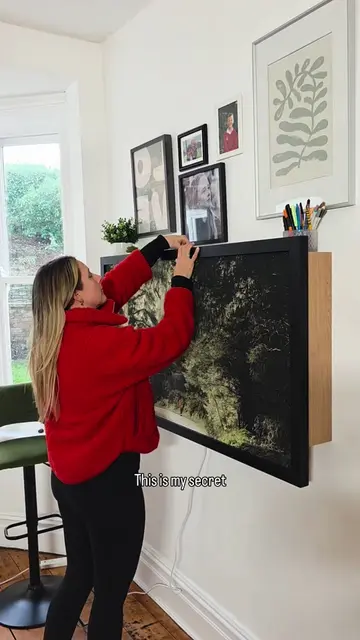
The creator demonstrates the final stages of building a custom wall-mounted desk that folds out to reveal a PC setup. He integrates magnets to secure a keyboard and mouse within the desk's compartments and installs a pulley system with cord to support the desk at a 90-degree angle.
Building a new kind of invisible PC #fyp #pcbuild #everyone
Building a NEW kind of invisible PC
Securing the mouse with a magnet
Securing the keyboard with a magnet
Adding final aesthetic touches
Installing hinges for the picture frame
Engineering a cord-based desk support
Logitech MX Keys (keyboard) — ACTS: it is shown being fitted into a custom desk compartment and held in place by a magnet. Removing it would change the video as the desk is built specifically to house this model. Logitech MX Master (mouse) — ACTS: it is shown being fitted into a custom desk compartment and held in place by a magnet. Removing it would change the video as the desk is built specifically to house this model.
Outliers and viral hits: their videos on Overshot, all time.