Loading video…
Sound

original sound - ainewsdailyagentic
CJtheFP · Original audio
0:00–:––
Playing this video’s own audio, so you’ll hear the creator over the sound.
Hook
Posted Oct 23, 2026Video · 0:26by @ainewsdailyagentic
The video uses a tangible, cute, and futuristic product to make complex AI concepts like 'sim-to-real' training accessible and engaging for a general audience.
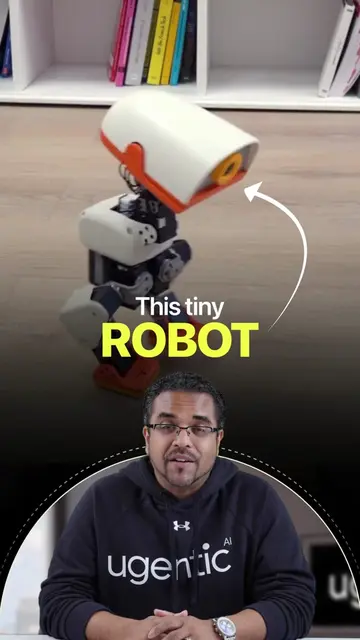
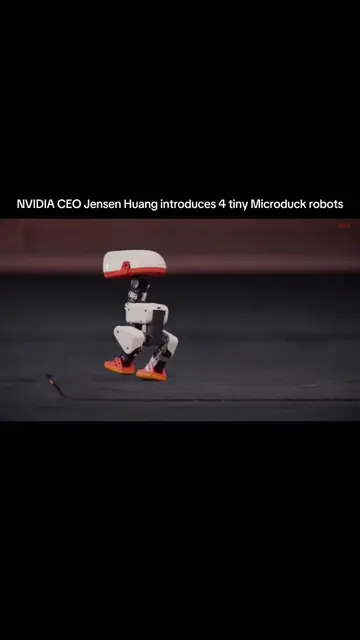
The creator showcases a small robot called Microduck, explaining its capabilities and how it was trained using NVIDIA's simulation technology. He frames the device as a significant step forward in the development of physical AI.
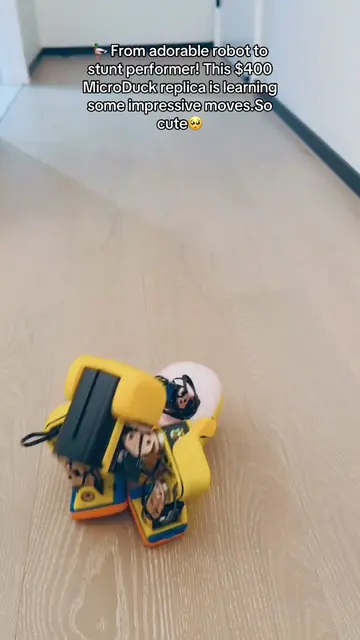
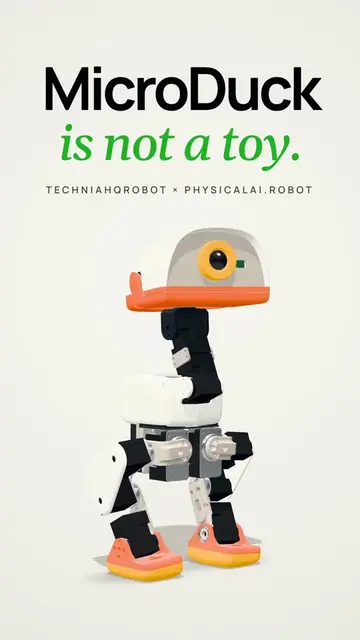
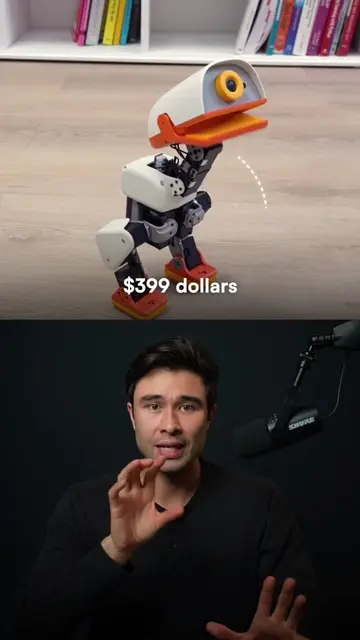
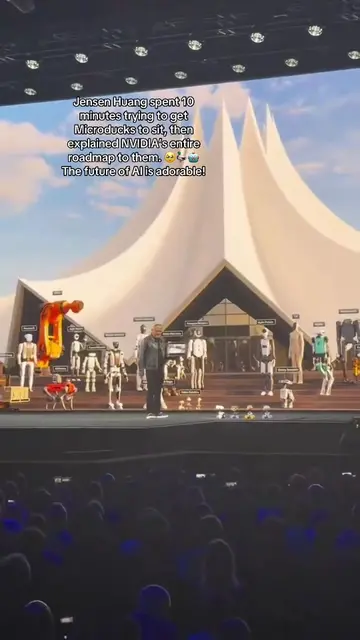
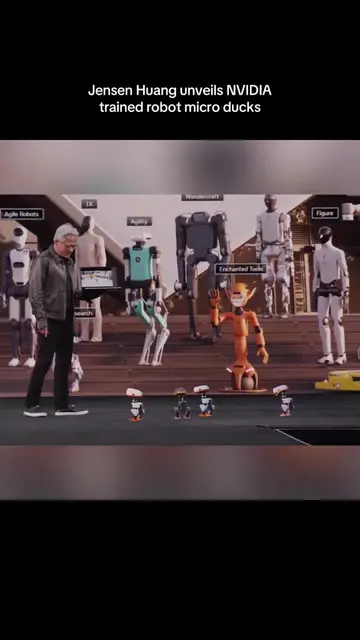
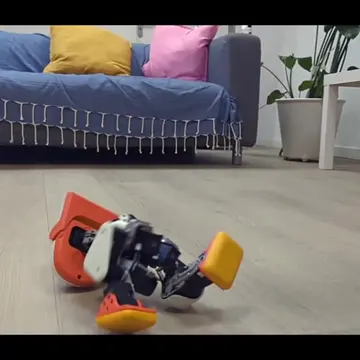
Jensen Huang closed out GTC Berlin with a squad of 25 cm robot ducks 🦆🤖 Microduck, from Pollen Robotics and Hugging Face, learned to walk, get back up after falls, grab things with its beak and even roller-skate. It was trained with reinforcement learning in NVIDIA's simulation stack before it ever touched the real world. Why it matters: the same sim-to-real recipe that teaches a $399 open-source duck is how bigger humanoids get trained. Tiny robots today are the training ground for big ones tomorrow. 🎥 Video: @benitoz on X #AIRobotics #PhysicalAI #Robotics #NVIDIA 📊 $NVDA $220.35 (+1.5%)
And they can move around. This is my little microduck.
Introduction of the Microduck robot
Explanation of its programming and NVIDIA integration
Discussion on the future of physical AI
Closing thoughts on the significance of the technology
Microduck (a) acts: the creator demonstrates its movement, beak operation, and explains its training; it is the subject of the video. Pollen Robotics (a) acts: identified as the creator of the robot. Hugging Face (a) acts: identified as a collaborator on the project. NVIDIA (a) acts: the creator explains that the robot was trained using their simulation stack. Removing these would change the video's focus on the robot's origin and training.
Playing this video’s own audio, so you’ll hear the creator over the sound.
Promotes 1 product. Create free account to see more.
Outliers and viral hits: their videos on Overshot, all time.
Open-source biped robot for developers and researchers experimenting with physical AI
All time.