Loading video…
Sound

original sound - malcolm.ashby
Malcolm Ashby · Original audio
0:00–:––
Playing this video’s own audio, so you’ll hear the creator over the sound.
Hook
Posted Nov 14, 2026Video · 5:15by @malcolm.ashby
We didn’t find a product being promoted in this video. Its hook, format and structure below still show why it took off.
Browse products winning on TikTokThe video uses a strong, authoritative hook that promises to reveal hidden value in common household items, tapping into the viewer's curiosity and potential for financial gain.
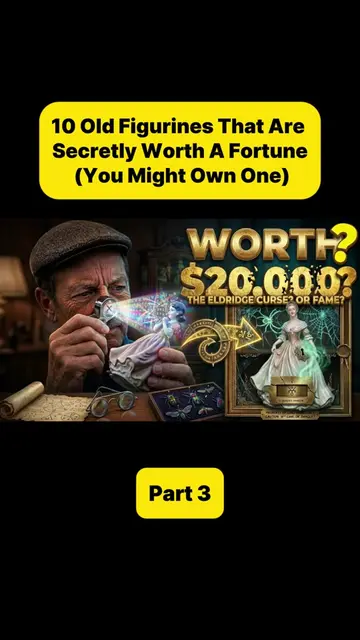
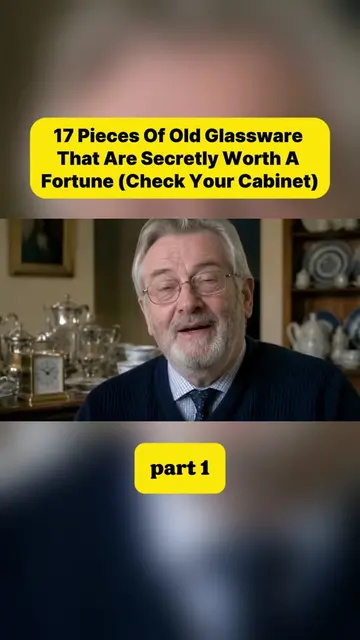
Vern Whitaker, a long-time pawn shop dealer, explains how to identify valuable vintage figurines by examining the maker's marks on their bases rather than relying on their appearance. He highlights that while many common figurines are worth very little, specific early production runs or rare models can be worth significantly more.
10 Old Figurines That Are Secretly Worth A Fortune (You Might Own One) #depressionglass #vintageglass #antique #antiques #vintagedecor
10 Old Figurines That Are Secretly Worth A Fortune (You Might Own One)
Introduction to the value of figurines
Vern introduces his background as a dealer
Explanation of why most figurines are not valuable
The importance of checking the base for marks
Specific examples of valuable vs common figurines
Final advice on identifying and valuing pieces
Warman's Majolica (book) - appears, watermark/reference; Kovels' (book series) - appears, watermark/reference; Williams-Sonoma (book) - appears, watermark/reference; Royal Doulton (figurine brand) - acts, identified as a maker of valuable figurines; Enesco (figurine brand) - acts, identified as a maker of figurines; Homco (figurine brand) - acts, identified as a maker of figurines; Department 56 (figurine brand) - appears, watermark/reference.
Playing this video’s own audio, so you’ll hear the creator over the sound.
Promotes 1 product. Create free account to see more.
Outliers and viral hits: their videos on Overshot, all time.