Loading video…
All breakouts
11.9Talking HeadHow-To hookEducation
Hook
This is a completely different strategy that I'm going to give you to learn to code.
@imdadcodes
52.4K followers · usually 1.8K views a post
Views
21.3K
Likes
1.5K
Comments
12
Shares
22
Why it worked
The video provides actionable, structured advice for a common pain point (learning to code) and uses clear, on-screen text to reinforce the steps, making the content highly digestible and shareable.
Summary
The creator explains a strategic approach to self-learning programming by creating a structured learning plan. He emphasizes the importance of breaking down topics, being realistic about time commitments, and iterating on the plan as progress is made.
Structure
- 1Introduction to a pragmatic strategy for learning to code
- 2The importance of structure and roadmaps in learning
- 3How to identify topics by researching book tables of contents
- 4The mistake of trying to learn too much too quickly
- 5The necessity of practice and iteration in a learning plan
- 6Bonus tip on adjusting time estimates based on actual progress
Call to action
give me a follow
On-screen text
THIS IS A COMPLETELY
DIFFERENT
STRATEGY
THAT I'M GOING TO GIVE YOU
TO LEARN TO CODE
UNLIKE OTHER TIKTOKS AND
GENERAL PROGRAMMING
CONTENT
THIS IS GOING TO BE
SPECIFIC
PRAGMATIC
AND USEFUL
BY THE WAY
GIVE ME A FOLLOW
IF YOU WANT ME TO HELP YOU
LEARN PROGRAMMING
LEARNING HOW
TO CODE IS LIKE
LEARNING ANYTHING
ELSE
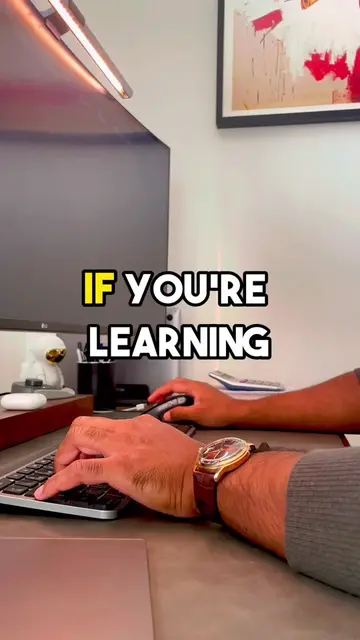
WHEN YOU'RE
LEARNING SOMETHING
NEW FOR THE
FIRST TIME
THERE'S GOING
TO BE A LOT THAT
YOU DON'T
KNOW
AND LIKE ANYTHING
ELSE
IT REQUIRES
THAT FIRST LEVEL
OF CURIOSITY
AND SOME RESEARCH
TO UNDERSTAND
EXACTLY WHAT
YOU NEED TO
LEARN
WHAT YOU'RE
AFTER IS SOME KIND
OF STRUCTURE
OR ROADMAP
AT COLLEGE OR
UNIVERSITY
WHEN YOU'VE
STUDIED
USUALLY THIS
STRUCTURE OR
CURRICULUM IS
PROVIDED TO
YOU
OR GENERALLY
IF YOU FOLLOW A COURSE
THE STRUCTURE
AGAIN IS GIVEN
TO YOU
THE REASON WHY
THAT IS IMPORTANT
IS BECAUSE THAT
STRUCTURE GIVES
YOU A PATH THAT
YOU CAN FOLLOW
AND THE HARD
WORK HAS BEEN
DONE FOR YOU
IN THAT SOMEONE
HAS PACKAGED
EXACTLY WHAT
YOU NEED TO
LEARN AND BROKEN IT DOWN
WEEK BY WEEK
OR DAY BY
DAY
NOW IF YOU'RE TAKING
AN APPROACH WHERE YOU'RE
SELF LEARNING
PROGRAMMING
YOU NEED TO
COME UP WITH
THAT STRUCTURE
YOURSELF
AND ESSENTIALLY
YOU NEED TO
COME UP WITH
WHAT I CALL
A LEARNING
PLAN
THE FIRST STEP TO
COMING UP
WITH A LEARNING
PLAN IS FIGURING
OUT WHAT YOU
NEED TO LEARN
LEARNING PYTHON
INVOLVES COVERING
ALL THE TOPICS
THAT ARE OFFERED
BY THE
PYTHON PROGRAMMING
LANGUAGE
SPECIFICALLY ITS FEATURES
NOW OF COURSE
IF YOU'VE NEVER
LEARNED PYTHON
BEFORE
YOU WON'T KNOW
WHAT THOSE TOPICS
ARE THAT YOU
NEED TO LEARN
SO ONE QUICK
THING THAT YOU
CAN DO IS JUST
GO ON AMAZON
AND TYPE
PYTHON PROGRAMMING
BOOK
CLICK ON THE
FREE SAMPLE
AND JUST LOOK
AT THE TOPICS
IN THE
TABLE OF
CONTENTS
DO THIS A FEW
TIMES FOR OTHER
PYTHON PROGRAMMING
BOOKS AND THEN
SEE IF YOU CAN
NOTICE A PATTERN
IN THE TABLE
OF CONTENTS
IN TERMS OF THE
COMMON TOPICS
THAT WILL APPEAR
THAT WILL BASICALLY
FORM THE GIST
OF YOUR LEARNING
PLAN
ONCE YOU'VE
GOT A GIST OF
THE TOPICS
NOW YOU NEED
TO TACKLE THEM
AND THIS IS WHERE
I SEE
MOST BEGINNERS
MAKING THE
SAME
MISTAKE
AND THAT IS WHAT THEY TRY
TO DO IS LEARN
EVERYTHING WITHIN
A WEEK
THEY LIST OUT
ALL THE TOPICS
AND THEN SAY
TO THEMSELVES
THAT THEY'RE
GOING TO GO
THROUGH AN EIGHT
HOUR YOUTUBE
VIDEO COVERING
IT ALL
I'M GOING TO
LEARN PYTHON
ON A WEEKEND
IT'S NAIVE
BECAUSE IT GOES
AGAINST ONE
OF THE MOST
FUNDAMENTAL
POINTS WHEN IT
COMES TO
LEARNING PROGRAMMING
AND THAT IS
PROGRAMMING IS NOT A PASSIVE
EXERCISE
TO LEARN
PROGRAMMING IS TO LEARN
MATH
YOU NEED TO
PRACTICE TO
GET BETTER AND
YOU NEED TO
WRITE CODE TO
BUILD SOFTWARE
AND BECAUSE OF THAT
THE IDEA OF
LEARNING PYTHON
IN A WEEKEND
IS FLAWED BECAUSE
WHILE YOU CAN
UNDERSTAND AND
WATCH A YOUTUBE
VIDEO COVERING
THE KEY PYTHON
TOPICS
TURNING THAT
INTO BEING ABLE
TO WRITE PYTHON
CODE WITHOUT
HAVING TO GOOGLE
EVERY TWO MINUTES
THAT REQUIRES A LOT OF
PRACTICE
AND THAT'S GOING
TO TAKE A BIT
OF TIME TO BUILD
UP
SO ONCE YOU'VE
GOT YOUR LIST
OF TOPICS
THIS IS THE
NEXT STEP THAT
YOU NEED TO
TAKE
FOR EACH TOPIC
YOU NEED TO
DECIDE HOW MANY
HOURS A WEEK
THAT YOU CAN
GIVE TO LEARNING
THAT TOPIC
ADD A 30% BUFFER
BECAUSE OFTEN
WE TRY TO
OVERESTIMATE
HOW MUCH TIME
WE ACTUALLY
HAVE AND HOW
MUCH TIME WE
CAN ACTUALLY
GIVE
SAY FOR EXAMPLE
YOU THINK
YOU CAN GIVE SIX
HOURS TO LEARNING
SAID TOPIC
TRIM THAT DOWN
TO ABOUT TWO
OR THREE HOURS
AND THEN IN
YOUR LEARNING
PLAN
WRITE DOWN THAT
YOU'RE GOING
TO SPEND TWO
HOURS TO LEARN
THAT TOPIC
DO THAT FOR
THE REST OF
YOUR LEARNING
PLAN SO YOU'LL
HAVE A CLEAR
IDEA OF HOW
MANY HOURS THAT
YOU'RE GOING
TO NEED TO GIVE
AND MORE IMPORTANTLY
HOW MANY WEEKS
THAT IS GOING
TO REQUIRE
AND THE REASON WHY
THIS IS
BENEFICIAL IS YOU'RE GOING
TO BE REALISTIC
YOU ARE MUCH
MORE LIKELY TO
STICK TO
A PLAN LIKE THIS
BECAUSE
YOU'VE SPACED
OUT YOUR COMMITMENTS
AND YOU'VE BEEN
REALISTIC WITH
THE TIME THAT
YOU HAVE
THE LAST THING
THAT I WOULD
SAY AND THIS IS
A BONUS TIP
SOME TOPICS
MAY REQUIRE
MORE HOURS THAN
OTHERS
WHEN IT COMES TO
LEARNING SOMETHING
NEW FOR THE
FIRST TIME
YOU DON'T KNOW
WHAT YOU DON'T
KNOW
YOU CAN MAKE
A STRONG ASSUMPTION
BASED ON RESEARCH
THAT A SET TOPIC
IS GOING TO
TAKE THREE HOURS
TO COVER
BUT YOU MIGHT
FIND THAT IT
ACTUALLY TOOK
DOUBLE THE TIME
WHAT YOU WANT
TO DO IS
ITERATE
ON YOUR PLAN
AND UPDATE IT
AS YOU GO ALONG
IF YOU FIND
THAT YOU'RE
LEARNING A BIT
SLOWER
THEN THAT'S
FINE
JUST MAKE SURE
YOU UPDATE THE
PLAN ACCORDINGLY
SO YOU CAN GIVE
YOURSELF A BIT
MORE TIME
IF YOU FIND
THAT YOU'RE
LEARNING FASTER
THEN OF COURSE
UPDATE THE PLAN
TO REFLECT THAT
THE POINT IS
MAKE SURE YOU
ITERATE BECAUSE
YOU'RE NOT GOING
TO GET IT PERFECT
THE FIRST TIME
BUT THE MOST
IMPORTANT THING
IS YOU START
OFF WITH A PLAN
THAT'S REALISTIC
FROM THE GET-GO
IF YOU FOUND
THIS HELPFUL
MAKE SURE YOU
FOLLOW FOR MORE
Original caption
Learning to Code (Try This) #imdadcodes #learnprogramming #learncoding #learncodingfree #LearnOnTikTok #programmingtutorial #programmingprojects #foryou #imdadcodes #codingtips #codinglife #codingforgirls learn programming learn programming for beginners how to learn programming how to learn coding coding for beginners coding courses free coding courses free coding courses for beginners free coding websites uk websites to learn coding learn programming programming portfolio learn python 30 days free coding program how to learn programming project based learning coding python programming python coding tutorials python tips and tricks best way to learn python javascript for beginners java for beginners javascript tutorial javascript courses css java script java script website react programming computer science computer science uk computer science projects computer science salary computer engineer salary learn to code in 2023 with games beginner tips I’d use if I was learning to code all over again free resource to learn how to code teaching myself how to code built an app with no prior coding experience how to start coding from scratch software engineering bootcamp software engineering bootcamp uk best software engineer in bootcamp coding bootcamp free general assembly bootcamp uk free coding bootcamp uk software developer bootcamp best coding bootcamp software engineer bootcamp
More from @imdadcodes
More breakout videos from this creator.