Loading video…
All breakouts
10.1Talking HeadHow-To hookEducation
Hook
ALRIGHT SINCE YOU ASKED FOR IT HERE'S MY GUIDE ON HOW YOU CAN PROGRAMMING SCRATCH
@imdadcodes
52.4K followers · usually 1.8K views a post
Views
17.2K
Likes
1.0K
Comments
6
Shares
11
Promoted product
—
Why it worked
The video offers practical advice and a clear roadmap for beginners interested in learning programming. By breaking down the process into actionable steps and recommending specific resources, it provides value and encourages engagement. The creator's personal experience and relatable advice likely resonate with the audience, making the content shareable and memorable.
Summary
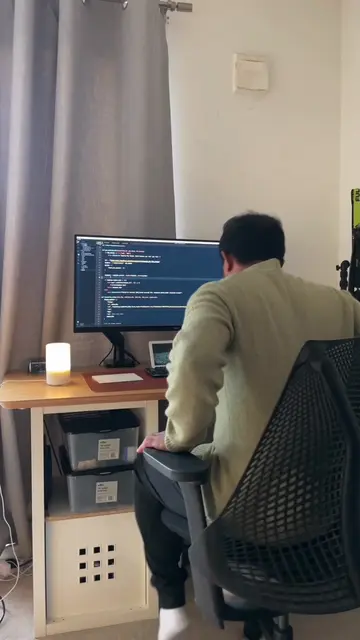
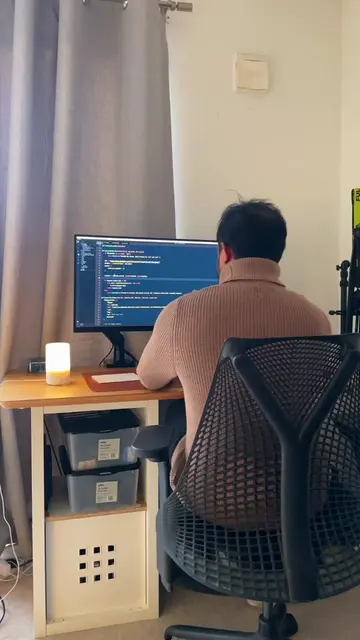
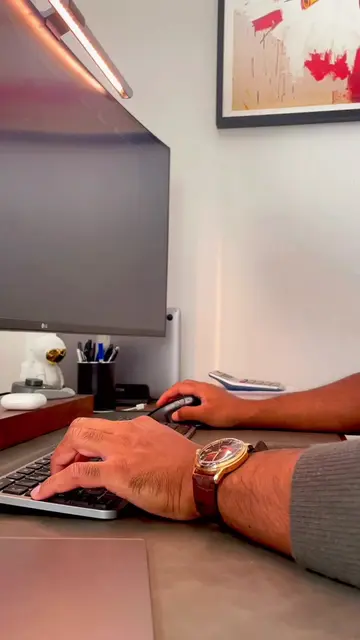
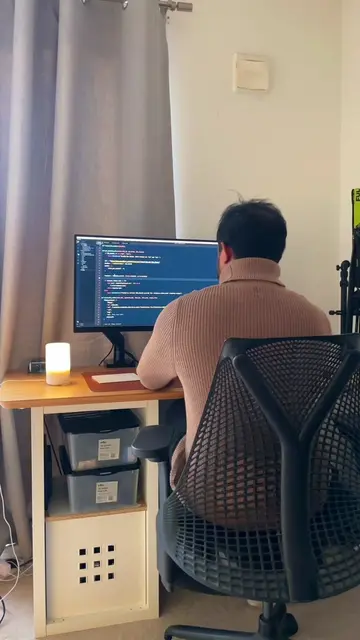
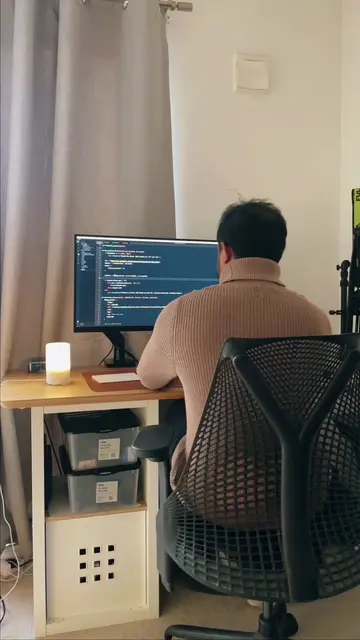
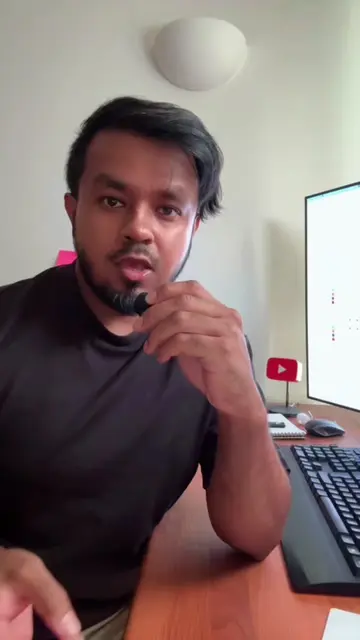
The video provides a guide on how to start learning programming, emphasizing that the journey to becoming a software engineer involves more than just learning to code. It highlights the importance of focusing on problem-solving and thinking in a way that aligns with how computers operate. The creator recommends Python or JavaScript as beginner-friendly languages and suggests various learning resources like books, online courses, and YouTube tutorials. The key takeaway is to practice consistently by working on problems and to build projects that address personal needs or interests to stay motivated.
Structure
- 1Introduction: Learning to code vs. becoming a software engineer
- 2The importance of focusing on the task at hand: learning to code
- 3Choosing a programming language: Python or JavaScript
- 4Learning resources: books, courses, YouTube
- 5The importance of practice and problem-solving
Original caption
Learnt to Code (Full Guide) #imdadcodes #learnprogramming #learncoding #learncodingfree #LearnOnTikTok #programmingtutorial #programmingprojects #foryou #imdadcodes #codingtips #codinglife #codingforgirls learn programming learn programming for beginners how to learn programming how to learn coding coding for beginners coding courses free coding courses free coding courses for beginners free coding websites uk websites to learn coding learn programming programming portfolio learn python 30 days free coding program how to learn programming project based learning coding python programming python coding tutorials python tips and tricks best way to learn python javascript for beginners java for beginners javascript tutorial javascript courses css java script java script website react programming computer science computer science uk computer science projects computer science salary computer engineer salary learn to code in 2023 with games beginner tips I’d use if I was learning to code all over again free resource to learn how to code teaching myself how to code built an app with no prior coding experience how to start coding from scratch software engineering bootcamp software engineering bootcamp uk best software engineer in bootcamp coding bootcamp free general assembly bootcamp uk free coding bootcamp uk software developer bootcamp best coding bootcamp software engineer bootcamp
More from @imdadcodes
More breakout videos from this creator.