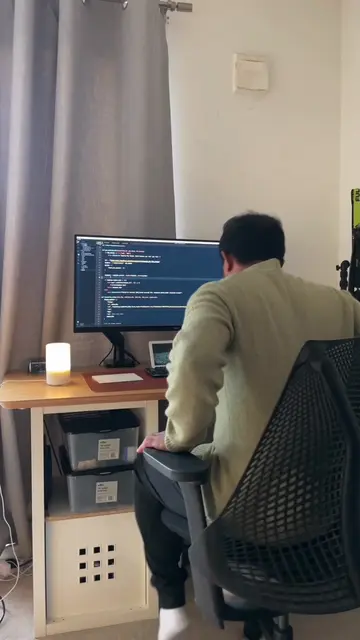
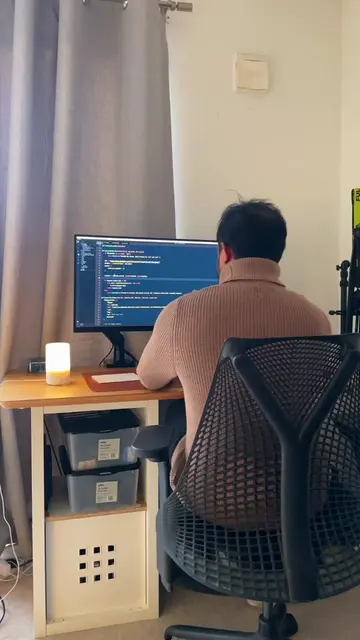
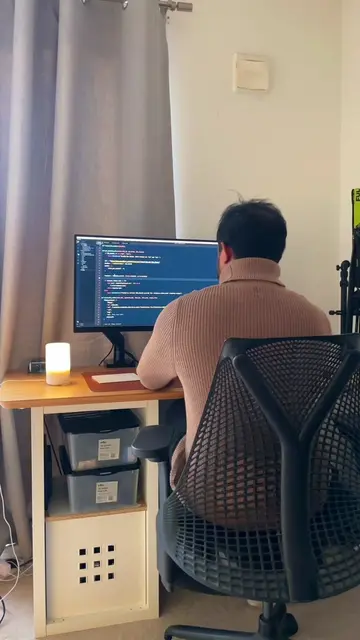
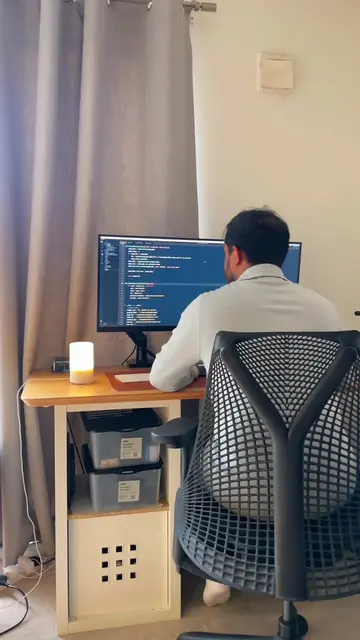
Loading video…
All breakouts
7.3Talking HeadBefore / After hookEducation
Hook
BECOME ENGINEER
@imdadcodes
52.4K followers · usually 1.8K views a post
Views
12.9K
Likes
729
Comments
14
Shares
12
Why it worked
The video addresses a common fear about AI replacing jobs by providing historical context and a nuanced perspective, encouraging viewers to focus on adaptability and continuous learning rather than outright fear.
Summary
The video discusses the impact of AI on software engineering jobs, drawing parallels to past technological shifts like the internet browser and automation. The speaker argues that while AI can handle basic coding tasks, the complexity of existing codebases and interconnected systems requires human expertise, suggesting that new jobs will emerge and engineers should focus on adaptability and continuous learning.
Structure
- 1Introduction: The question of AI replacing software engineers.
- 2Historical context: Internet browser and automation's impact on jobs.
- 3The Lump of Labor Fallacy: Why job creation accompanies technological advancement.
- 4AI's current capabilities vs. complex software engineering tasks.
- 5The future of software engineering: Adaptability and continuous learning are key.
Call to action
give me a follow if you want me to help you on your programming journey
On-screen text
BECOME
ENGINEER
NOW THAT CHAT
GPT IS AROUND?
I'VE WAITED
MORE THAN 6
MONTHS TO SHARE
MY THOUGHTS
ON THIS BECAUSE
I THINK
GENUINE
I'VE BEEN WRITING
CODE FOR
10
AND I'VE WORKED
IN VARIOUS SOFTWARE
ENGINEERING POSITIONS AND
NOW I RUN MY
OWN STARTUP
I'VE HAD THIS
DISCUSSION WITH
MANY OF MY FRIENDS
WHO WORK IN
SENIOR ENGINEERING
POSITIONS AT
BIG
AS WELL AS FOUNDER
FRIENDS WHO
STARTUPS
AND SOLD THEIR COMPANY
BEFORE I ANSWER
DON'T FORGET
FOLLOW
IF YOU WANT
ME TO HELP YOU
ON YOUR PROGRAMMING
JOURNEY
WHEN I THINK
ABOUT THESE
QUESTIONS
I OFTEN TRY
TO LOOK BACK
AS A GUIDING INDICATOR FOR
THE
WHEN THE FIRST
INTERNET BROWSER
CAME AROUND
1993
THERE WERE ONLY
AROUND
IN TECH AND NOW THERE'S
AN ESTIMATED MORE THAN
IN THE 2000S
I REMEMBER THAT
MANY PEOPLE
WERE PUT OFF
SOFTWARE ENGINEERING
BECAUSE THEY
WERE TOLD THAT
MANY OF THOSE
OUTSOURCED
IN THE 2010S
AUTOMATION WAS
REALLY KICKING OFF AND MANY
PEOPLE WORRIED
THAT MOST OF
THEIR JOBS WOULD BE AUTOMATED
BUT IN EVERY
ONE OF THESE
CYCLES THERE HAS BEEN
A COMMON PATTERN
NEW
TECHNOLOGY
HAVE BEEN CREATED AND IT GOES
BACK TO THIS PRINCIPLE IN
ECONOMICS WHICH IS CALLED THE
LABOUR
WHICH IS THIS
INHERENT BELIEF
OR ASSUMPTION THAT THERE IS
FINITE
AMOUNT OF WORK IN AN ECONOMY
WHICH BASICALLY MEANS THAT PEOPLE
BELIEVE THERE IS A FIXED AMOUNT
OF WORK IN AN ECONOMY AND
THAT IF ONE PERSON IS
EMPLOYED
TO DO THAT JOB
THAT MEANS ANOTHER
PERSON IS
UNEMPLOYED
BUT WHERE THIS
BECOMES A FALLACY
IS THAT THERE IS
NO FIXED
IN AN ECONOMY WHEN AN
GROWS
THE NUMBER OF
INCREASES
NOW HOW DOES
THIS RELATE
TO SOFTWARE ENGINEERS POTENTIALLY
NOT HAVING A
JOB ONE DAY?
I THINK IT IS
VERY POSSIBLE
THAT AI
WILL TAKE OVER
SOFTWARE ENGINEERING
BUT IT WILL
TAKE A VERY
LONG TIME AND
HERE'S WHY
SOFTWARE ENGINEERING
IN TODAY'S WORLD
IS MORE THAN JUST WRITING
CODE
AIRBNB'S CODEBASE
FOR EXAMPLE THAT PROBABLY
MILLIONS
OF LINES
DEVELOPED BY
ENGINEERS
THAT HAVE COME AND GONE OVER
THE YEARS IS
QUITE FRANKLY
A BEHEMOTH
ADDING ANYTHING
TO A CODEBASE
LIKE THIS REQUIRES
AN IMMENSE AMOUNT OF CONTEXT AND
UNDERSTANDING NOT ONLY OF
THE CODEBASE BUT ALSO THE
THIRD PARTY
INTEGRATIONS
INTERCONNECTED
SYSTEMS
CHATGPT AND LANGUAGE LEARNING
MODELS DO A GREAT JOB OF
TAKING YOU FROM
WRITING A PYTHON SCRIPT THAT
MAYBE SHOWS YOU THE LATEST
STOCK PRICES BUT IT DOESN'T
YET HAVE THE CAPABILITY TO
TAKE THIS SHEER
AMOUNT OF COMPLEXITY
THAT IS A CODEBASE
THAT'S BEEN
FOR
AROUND FOR A DECADE
IT WILL TAKE TIME AND I THINK
THERE WILL BE A DAY WHEN THIS
HAPPENS BUT FOR NOW
I THINK THE
BEST THING THAT
YOU CAN DO AS
A SOFTWARE ENGINEER
COMPUTER SCIENCE
STUDENT OR ANYONE
JUST ENTERING ANY KIND OF
JOB ROLE IS
TO SET UP YOUR
CAREER TO BE MORE
DYNAMIC
ADAPT
TO THESE CHANGING
CIRCUMSTANCES
BECAUSE THERE IS A VERY HIGH CHANCE THAT
ONE DAY WE MAY
RE-SKILL
IN ORDER TO
CHANGE AND ADAPT
TO THE EMERGENCE
OF NEW SECTORS
TECHNOLOGY
IN SHORT I DON'T
THINK YOU SHOULD
NOT STUDY COMPUTER SCIENCE OR COMPUTER
ENGINEERING
RIGHT NOW BUT
I DO THINK YOU SHOULD SPEND
OF YOUR TIME
KEEPING
UP
AND EVEN DEVELOPING
NEW SKILLS
IF YOU FOUND
THIS HELPFUL
MORE
Original caption
Will AI take Software Engineering Jobs? #imdadcodes #learnprogramming #learncoding #learncodingfree #LearnOnTikTok #programmingtutorial #programmingprojects #foryou #imdadcodes #codingtips #codinglife #codingforgirls will ai take sofware job will ai take over software engineer will ai take over your job when will ai take over will ai take over coding will ai ruin software engineer learn programming learn programming for beginners how to learn programming how to learn coding coding for beginners coding courses free coding courses free coding courses for beginners free coding websites uk websites to learn coding learn programming programming portfolio learn python 30 days free coding program how to learn programming project based learning coding python programming python coding tutorials python tips and tricks best way to learn python javascript for beginners java for beginners javascript tutorial javascript courses css java script java script website react programming computer science computer science uk computer science projects computer science salary computer engineer salary learn to code in 2023 with games beginner tips I’d use if I was learning to code all over again free resource to learn how to code teaching myself how to code built an app with no prior coding experience how to start coding from scratch ai software engineering will ai take jobs will ai take tech jobs should i become a software engineer
More from @imdadcodes
More breakout videos from this creator.