Loading video…
All breakouts
10.3Talking HeadWarning hookB2B
Hook
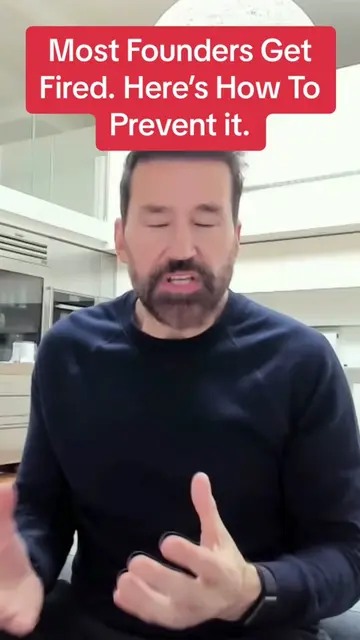
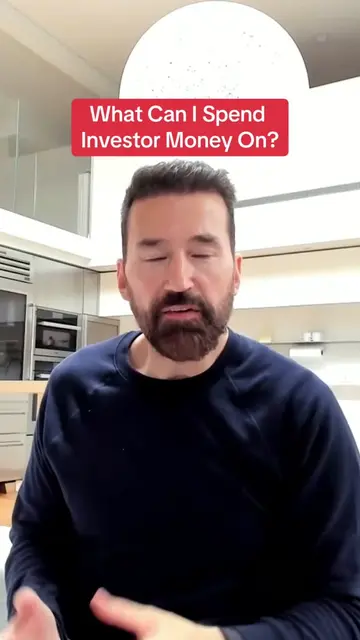
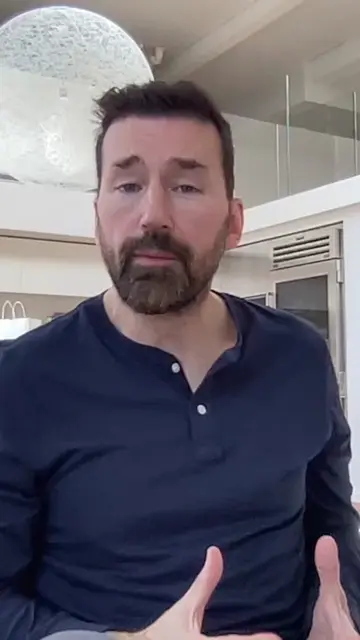
Why Sam Altman was FIRED and how to PREVENT this from happening to YOU 🚀
@thefounderadvisor
12.6K followers · usually 5.4K views a post
Views
56.0K
Likes
2.7K
Comments
127
Shares
197
Why it worked
The video leverages a high-profile, recent, and controversial event (Sam Altman's firing from OpenAI) to capture attention. It then promises actionable advice and insights relevant to a specific audience (founders), creating a strong hook and value proposition.
Summary
This video explains why Sam Altman was fired from OpenAI, attributing it to founders losing control of their board of directors. It highlights that investor board members often initiate firings and advises founders to be vigilant about board composition from day one to prevent similar situations.
Free accountLocked — create a free account to open
Transcript, structure and on-screen text
6 beats, a 538-word transcript and 74 lines of on-screen text — the parts you need to write your own version.
Original caption
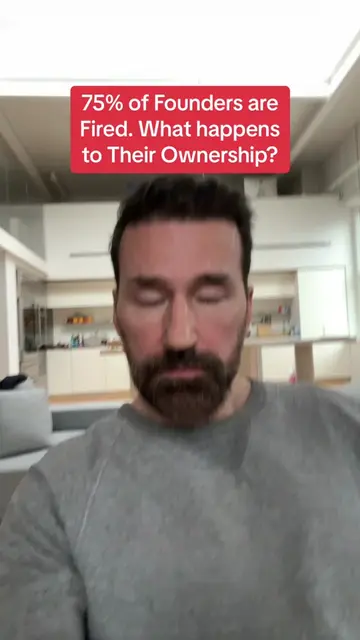
Sam Altman, the CEO of OpenAI, was just fired from the company that he started - this actually happens to the mass majority of founders. I’m going to explain why this happened and how to prevent it from happening to you. Sam Altman started OpenAI - The dominant leader in generative AI. The company most recently had a $90B valuation - which is just incredible. But he was fired from his own company from his board. This isn’t unusual - over 75% of founders are exited from the CEO role before their company goes public or sells. And if Sam Altman can be exited, it shows that no one is exempt from being fired. Founders are fired for one simple reason - they lost control of their board of directors. And most Founders don’t understand that the board's primary job is hiring and firing the CEO. Now, firings *most often* happen due to investor board members - Once you take money from an investor or venture capitalist, they are generally going to have a seat on your board, if they lead your round. As you raise more and more money, each new investor lead will generally mandate a seat on the board to protect their investment. And once you are outnumbered on the board, you can be terminated - it's that simple. Now Altman’s case is a bit different - OpenAi’s board actually has actually no investors, which is incredibly uncanny and unusual, especially for a company that has raised $10B. Now the board needs a simple majority to fire a CEO - There were 6 people on OpenAi’s board and four voted to fire him. -Ilya Sutskever - One of his co-founders -Adam D’Angelo - The CEO of Quora -Tasha McCauley - A Scientist -Helen Toner - A director a CSET The interesting thing here is that all of the outside board members were likely all appointed by Altman himself, which likely makes this a self-inflicted wound by Altman. Here’s what you need to know as the founder: By default, you have no additional rights just because you started the company - 49 of the states are at-will. This means, you can be fired, just like sam altman, and have no recourse to pursue the company. Therefore, you *have to* be vigilant about your board composition from day one of starting your companies. Board firings are generally led by investor board members - this one is even more polarizing because it looks like it was led by Altman’s “friends.” What’s more, is that beyond Adam D’Angelo, I could only find that one of the other OpenAI board members had actually been on a board before - which is astonishing. Lastly, OpenAI’s board is largely composed of thought leaders, which do not always make good board members. If you need outside expertise from thought leaders on the space - hire them. If they don’t want to or cannot join full-time, create an advisory board and get their involvement and expertise that way, and reward them with the same equity you would give them for serving on the board of directors. But don’t make them your boss - it's just short sighted. The company’s valuation doesn’t matter unless you control the outcome of the company. This channel's mission is to build a community to help founders like you. Comment and follow if you have questions about protecting yourself as the founder, board structure, or any other question about becoming a founder. #founderadvice #fundraising #boardofdirectors #openai #startup #startupadvice #startuptips #venturecapitalists #venturecapitalist #VentureCapital #vc #vcs #startingabusiness #entrepreneurtok #samaltman
More from @thefounderadvisor
More breakout videos from this creator.