Loading video…
Sound

original sound - stemsalessolutions
How Sales Actually Works · Original audio
0:00–:––
Playing this video’s own audio, so you’ll hear the creator over the sound.
Hook
Posted May 29, 2025Video · 3:08by @stemsalessolutions
This video promotes it, but we haven’t matched it to a product page yet, so there are no product figures.
The video provides high-value, actionable advice that challenges conventional sales wisdom, positioning the creator as an authority and making the viewer more likely to seek out his training.
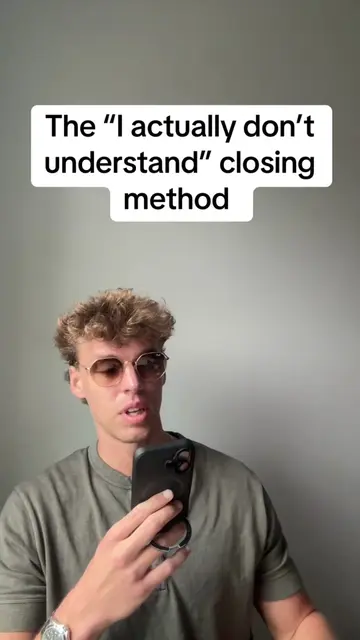
The creator explains that cold calling is not about selling a product, but about setting up the next step in the sales process. He provides specific scripts for handling common objections like "we already have a provider" or "I'm not interested" by pivoting to a meeting request.
In sales, cold calling is difficult for some reasons. But it isn’t difficult for the reasons sales people think it is. There’s no such thing as an objection handling rebuttal on a cold call. Objections are justifications. There’s no such thing as closing techniques on a cold call. Closing doesn’t happen on a cold call. There’s no question a prospect can ask you, or point they can make that can derail a cold call. Those are all reasons you should have the next conversation with them. Sales people need to stop trying to sell products on cold calls, and use them for what they actually are: justifications for the next step.
Cold calling is overcomplicated by sales people.
Cold calling is not about selling
The goal is to set the next step
How to handle 'we have a provider'
How to handle 'I'm not interested'
The only real difficulty is getting a response
The creator is selling his sales training services, Stem Sales Arena, by demonstrating his expertise in cold calling.
The video acts as a soft sell for his sales training services, implying that viewers should learn his methodology.
Playing this video’s own audio, so you’ll hear the creator over the sound.
Outliers and viral hits: their videos on Overshot, all time.