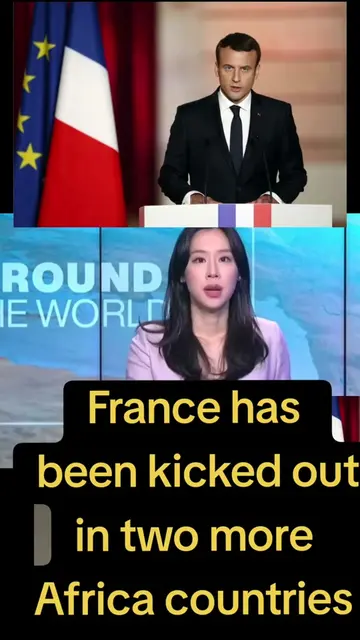
France, the one-time symbol of Western wealth, is in a tailspin. Its debt sits at 3.3 trillion euros. The annual interest, more than 60 billion, larger than the entire GDP of dozens of African countries combined. And the clock keeps running. Every second, another 5,000 euros piles on. To stop the bleeding, France's leaders want to axe two public holidays, Easter Monday and Victory Day, forcing extra work days to scrape together 4.5 billion euros. But the streets are speaking. Across France, strikes are erupting, transport halted, hospitals under pressure, schools locked down. Anger is boiling over, pensions frozen, healthcare budgets slashed by 5 billion euros. Meanwhile, the privileged stay comfortable. Take the Economic, Social and Environmental Council. Its members enjoy 121,000 euro salaries, 54 paid days off and lavish perks, all on taxpayer money. This isn't a crisis of poverty, it's a crisis of priorities. And while its citizens protest, France is turning outward, trying to rebuild influence in Africa. But the script has flipped. Burkina Faso no longer bows, it stands firm. And for the first time in history, France isn't giving orders, it's asking for the meeting. Chapter 2 begins. Burkina Faso has risen. Not long ago, the country was dismissed as a failed state. Foreign troops roamed its streets, terrorists struck at will, and its economy leaned heavily on aid. That started to change in 2022 when Captain Ibrahim Traore took the helm. With fearless resolve, Captain Ibrahim Traore sent a clear signal. Burkina Faso would no longer serve anyone else's agenda. French troops were sent home, lopsided foreign contracts were torn up, national resources and energy were redirected towards self-reliance and true sovereignty. Traore stopped looking to Paris for answers, he turned to his own people. He pushed forward bold agricultural programs to secure food independence, poured investment into local mining and manufacturing, and sparked a movement to restore national pride. Security forces, once trained and armed by outsiders, are now equipped and led from within, protecting their land under their own command. This shift isn't symbolic, it runs deep. The impact, a safer nation, a growing economy, and a surge of pride that can be felt in every village and city. Burkina Faso no longer waits for handouts. It walks into negotiations as an equal, or not at all. What's happening here isn't limited to government policies, it's a mindset, a conviction that Africans can lead, build, defend and prosper without colonial shadows looming overhead. Traore has delivered more than reforms, he's delivered belief. And that belief is sending shockwaves far beyond West Africa. The message is clear, Africa is capable, Africa is rising. Chapter 3, France comes knocking. In a stunning turn of history, the former powerhouse of France is now the one approaching Africa with open hands, seeking a way back in. As its economy wobbles, France has reportedly made overtures to Burkina Faso and other Francophone nations, proposing a new kind of partnership. Gone are the airs of superiority. What you see now is economic desperation. Even President Emmanuel Macron, once known for dismissive tones toward African grievances, is speaking in terms of cooperation and respect. But across Africa, the question lingers, is this sincere reform or a calculated move to regain what was lost? After generations of resource plunder and political meddling, trust doesn't return overnight. Leaders like Ibrahim Traore see France's outreach for what it is, survival, not charity. The system France built, propped up for decades by African labor and minerals, is cracking apart. And now the old empire wants back at the table. Yet Africa holds the cards. The continent is more united, more assertive, more aware than ever. The colonizer no longer commands fear, and certainly doesn't command necessity. Traore's answer leaves no room for misinterpretation. Any future partnership must stand on respect, honesty and dignity.