Loading video…
Sound

original sound - gfgkyolberx
DollarDude · Original audio
0:00–:––
Playing this video’s own audio, so you’ll hear the creator over the sound.
Hook
Posted Oct 27, 2026Video · 2:07by @gfgkyolberx
We didn’t find a product being promoted in this video. Its hook, format and structure below still show why it took off.
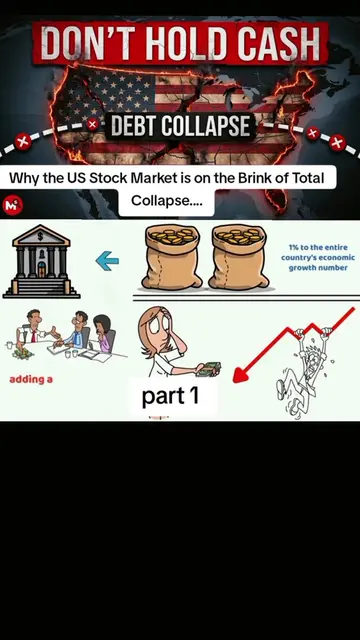
Browse products winning on TikTokThe video uses clear, simple visual metaphors to explain complex macroeconomic concepts, making a dense topic accessible and engaging for a general audience.
This video explains the current economic instability in France, highlighting its massive debt and the potential for a European-wide crisis. It also provides a breakdown of the structural relationship between Europe, the European Union, and the eurozone.
France isn’t too big to fail it’s just too big for Europe to save 🇫🇷 #FinanceTok #DebtCrisis #MacroEconomics #GlobalEconomy #moneyhackstiktokcontest
We're currently watching one of Europe's biggest economies collapsing.
Introduction to France's economic crisis
Comparison of French debt to previous bailouts
Analysis of the European Central Bank's stance
Historical context of the 2010 Greek debt crisis
Explanation of the three circles of European integration
Playing this video’s own audio, so you’ll hear the creator over the sound.
Outliers and viral hits: their videos on Overshot, all time.