Loading video…
All breakouts
6.6Talking HeadHow-To hookFinance
Hook
How to Pitch to a VC 👀 🐝 And make it past the first call...
@charlieweaverswright
7.3K followers · usually 2.3K views a post
Views
13.3K
Likes
855
Comments
24
Shares
228
Promoted product
Why it worked
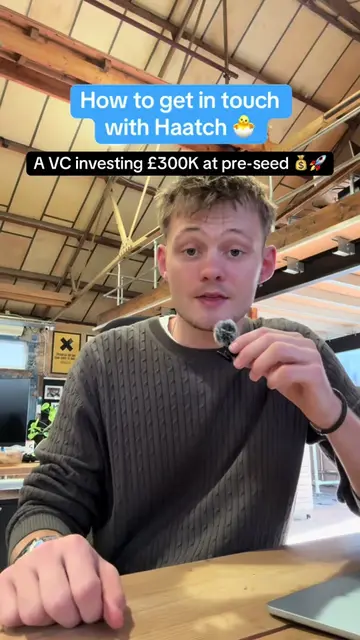
The video provides valuable, actionable advice on a topic relevant to founders (pitching to VCs) in a concise and engaging manner. The creator's direct-to-camera style and clear explanations, combined with on-screen text, make the information easily digestible. The use of a relatable problem (difficulty in pitching) and a structured solution (problem, solution, progress) resonates with the target audience.
Summary
This video explains how to effectively pitch to Venture Capitalists by structuring your pitch into three key parts: outlining the problem, presenting the solution, and demonstrating progress. The creator emphasizes that VCs are not always industry experts and need clear, concise information about the problem's impact and how your product solves it. They also highlight the importance of showing validation through user feedback and customer interest, rather than solely focusing on revenue.
Structure
- 1Introduction: Pitching to VCs is a science, not just an art.
- 2Common Mistake: Founders assume VCs are industry experts.
- 3VCs' Role: To recognize talent and problems, not be specialists.
- 4Key Strategy: Keep investors engaged throughout the pitch.
Original caption
This is how you can effectively pitch to Venture Capitalists. Most founders don’t realise that there is an element of science to pitching to a VC. 👀 #venturecapital #vc #founder #pitch #fundraise
More from @charlieweaverswright
More breakout videos from this creator.