Loading video…
All breakouts
9.0Text-HeavyListicle hookAI Tools
Hook
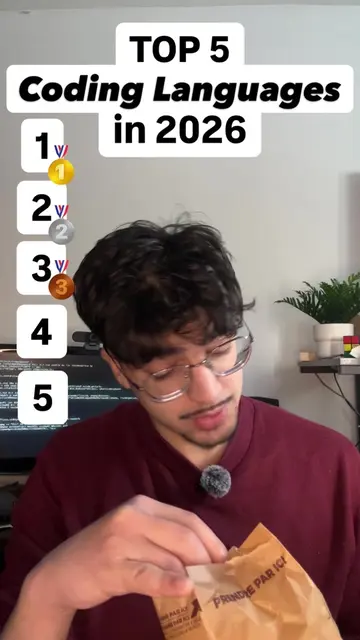
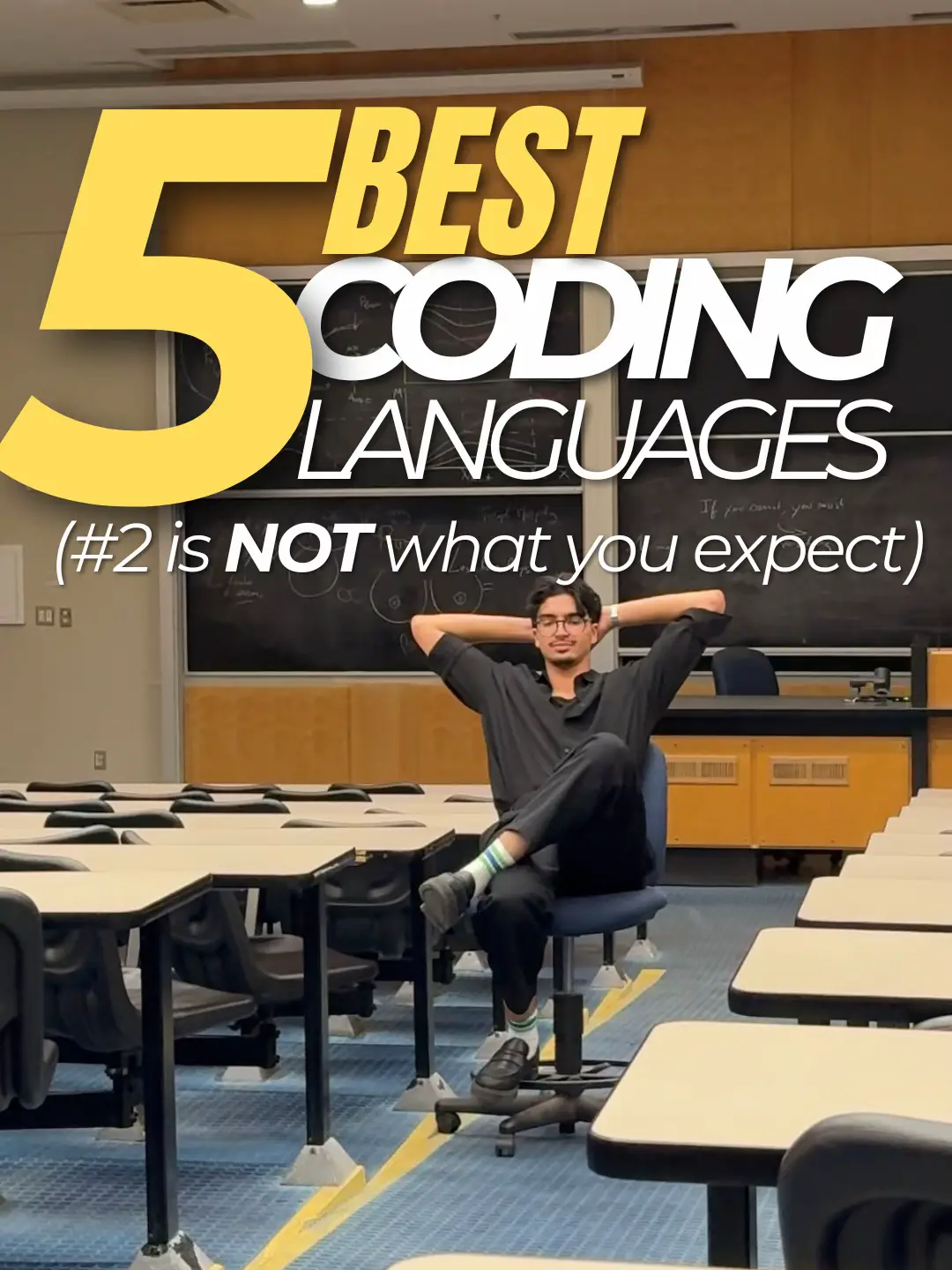
5 BEST CODING LANGUAGES
@aimn.dev
1.8K followers · usually 1.7K views a post
Views
15.0K
Likes
516
Comments
3
Shares
8
Why it worked
The post leverages a common listicle format ('Top 5...') combined with a curiosity gap ('#2 is NOT what you expect') to encourage swiping through all the slides. It provides valuable, concise information about in-demand skills, making it highly shareable and saveable for the target audience of aspiring or current developers.
Summary
This slideshow presents the top 5 coding languages for 2026, detailing their average salaries, best use cases, and notable companies that use them. The list includes Go, JavaScript, Java, Rust, and Python, with a hint that #2 is unexpected.
Structure
- 1Introduction: 5 Best Coding Languages
- 2Listing #5: Go
- 3Listing #4: JavaScript
- 4Listing #3: Java
- 5Listing #2: Rust
- 6Listing #1: Python
Call to action
Save this so you don’t forget and comment your current stack 👇
On-screen text
5 BEST
CODING
LANGUAGES
(#2 is NOT what you expect)
#5. GO
Avg salary: ~$120-135K/yr
Best for: microservices, APIs, cloud infra
Used by: Google, Uber, Netflix, Dropbox, Cloudflare
Built at Google for fast, scalable backends
#4. JavaScript
Avg salary: ~$80-110K/yr
Best for: web apps, SPAs, mobile (React Native)
Used by: Google, Meta, Netflix, PayPal, Microsoft
Runs literally every website + backends via Node.js
#3. Java
Avg salary: ~$90-145K/yr
Best for: backend systems, fintech, Android dev
Used by: Amazon, Google, LinkedIn, Spotify, Airbnb
Backbone of enterprise software + Android apps
#2. Rust
Avg salary: ~$130-170K+/yr
Best for: systems programming, infra, Web3, dev tools
Used by: AWS, Meta, Discord, Figma
Fastest language with zero memory bugs
#1. Python
Avg salary: ~$110-125K/yr
Best for: data science, AI/ML, APIs, automation
Used by: Google, Netflix, Uber, Spotify, IBM
King of AI/ML + most popular language in the world
Original caption
These 5 languages will carry your tech career in 2026. Go, JavaScript, Java, Python, Rust: what are you learning next? Save this so you don’t forget and comment your current stack 👇 #coding #programming #python #computerscience #softwareengineer
More from @aimn.dev
More breakout videos from this creator.