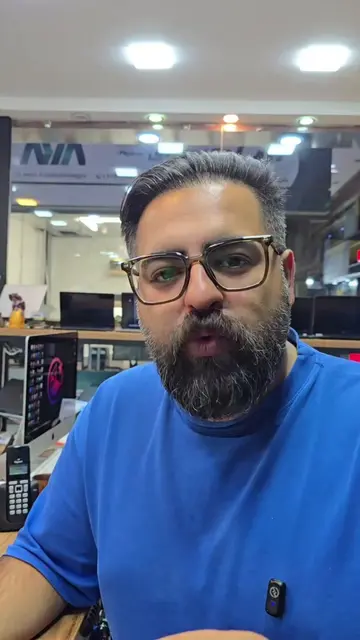
Loading video…
Sound

original sound - hamid.ghoraishi
Hamid Ghoraishi · Original audio
0:00–:––
Playing this video’s own audio, so you’ll hear the creator over the sound.
We didn’t find a product being promoted in this video. Its hook, format and structure below still show why it took off.
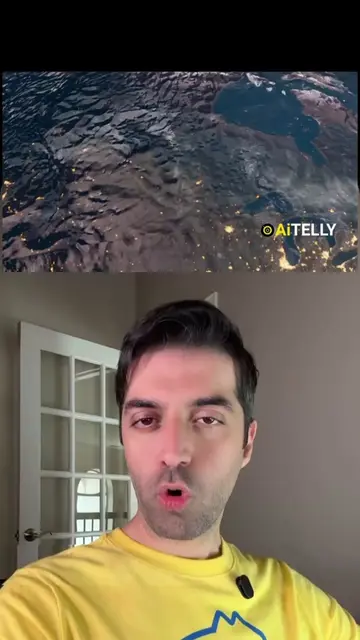
Browse products winning on TikTokThe video uses a clear and relatable analogy (a post office) to explain a complex technical topic (internet filtering). The use of animation alongside the speaker helps to visualize the concepts, making them easier to understand and more engaging for the audience. The explanation of different filtering layers and the introduction of Starlink as a potential bypass method likely resonated with viewers interested in internet freedom.
The video explains the multi-layered internet filtering system in Iran, comparing it to a post office with fake addresses, packet inspection, and secure mailboxes. It then discusses how Starlink's satellite internet bypasses these filters but faces obstacles like international authorization, cost, and software locks on devices. Finally, it suggests that technology is moving towards free internet access, leaving jamming as the government's only recourse.
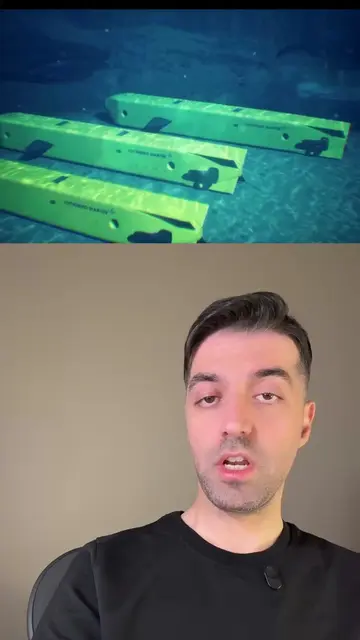
فیلترینگ چندلایهی اینترنت معماری دیجیتال ایران بین سالهای ۲۰۲۴ تا ۲۰۲۶ از «سانسور واکنشی» به یک «قفس دیجیتال» هوشمند تبدیل شده است. در این پارادایم، روش «لیست سیاه» جای خود را به «لیست سفید» داده؛ یعنی همهچیز قطع است، مگر مواردی که حاکمیت تایید کند. برای درک بهتر، اینترنت را یک اداره پست تصور کنید. دولت برای تصاحب نامههای شما، تلههایی چندلایه ساخته است: ۱. آدرسهای جعلی (DNS Poisoning): وقتی آدرس سایتی را میپرسید، پستچی دروغگو آدرس اشتباهی به شما میدهد تا به جای مقصد اصلی، سر از بنبست یا سایتهای جعلی درآورید. ۲. بازرسی محتوا (DPI): اگر با فیلترشکن از لایه اول عبور کنید، دولت در لایه دوم پاکت را باز کرده و متن نامه را میخواند! اگر اسکنرها کدهای فیلترشکن را شناسایی کنند، نامه بلافاصله ریزریز میشود. ۳. تلهی اعلام نام (SNI Filtering): حتی اگر نامه را در گاوصندوق رمزگذاریشده بگذارید، طبق قوانین این پستخانه، باید پیش از قفل کردن درب، نام مقصد را فریاد بزنید! به محض گفتن «تلگرام»، پستچی گاوصندوق را مصادره و معدوم میکند. مقاومت مردم: ایرانیها با روشهایی مثل Snowflake (تغییر چهره ترافیک به تماس تصویری اداری)، مرورگر Ceno (اشتراکگذاری محتوا در شبکه محلی محله) و توشه (دریافت فایل از امواج ماهواره) با این قفس مقابله میکنند. انقلاب استارلینک و پارازیت: استارلینک بزرگترین تهدید برای فیلترینگ است؛ چراکه نامهها با «پهپاد ماهوارهای» مستقیم از آسمان میرسند. دولت با پارازیت (تاباندن نور شدید الکترونیکی) سعی در کور کردن این پهپادها دارد. اما این شمشیر دولبه، سیستمهای ناوبری و بانکی خود دولت را هم مختل میکند. چالش اتصال مستقیم گوشی به ماهواره (Direct to Cell): اگرچه گوشیهای مدرن (مثل آیفون ۱۵/۱۶ و سامسونگ S24/S25) این قابلیت را دارند، اما ۳ مانع وجود دارد: مجوز ITU: نیاز به نادیده گرفتن قوانین بینالمللی برای حقوق بشر. هزینه اشتراک: نیاز به حمایت خیرین بینالمللی. قفل نرمافزاری: نیاز به آپدیت شرکتهای اپل و گوگل برای باز کردن قفل شناسایی ماهواره در ایران. در نهایت، تکنولوژی به سمتی میرود که نیاز به دیش حذف شود. به نظر شما در این نبرد، فیلترینگ پیروز میشود یا خلاقیت؟
لایه های پیچیده فیلترینگ اینترنت
Introduction to Iran's multi-layered internet filtering
Analogy of the internet as a post office
Layer 1: Fake addresses (DNS Poisoning)
Layer 2: Packet inspection (Deep Packet Inspection)
Layer 3: Announcement traps (SNI)
Starlink as a threat to filtering
Obstacles to satellite internet: authorization, cost, software locks
Future of technology and government's limited options
The video uses the analogy of a post office to explain internet filtering. It mentions Instagram and Telegram as examples of websites/apps. Starlink is mentioned as a satellite internet provider.
Playing this video’s own audio, so you’ll hear the creator over the sound.
Promotes 3 products. Create free account to see more.
Outliers and viral hits: their videos on Overshot, all time.