Loading video…
All breakouts
12.3Talking HeadCuriosity Gap hookAI Tools
Hook
More than you might think,
@hamid.ghoraishi
6.6K followers · usually 7.5K views a post
Views
79.1K
Likes
5.7K
Comments
249
Shares
1.1K
Why it worked
The video effectively uses a thought-provoking and philosophical topic (the simulation hypothesis) combined with relatable analogies (video games, phone storage) and references to well-known figures (Elon Musk, Nick Bostrom) to engage viewers. The pacing and visual aids help to explain complex ideas in an accessible way, making it shareable and likely to generate discussion.
Summary
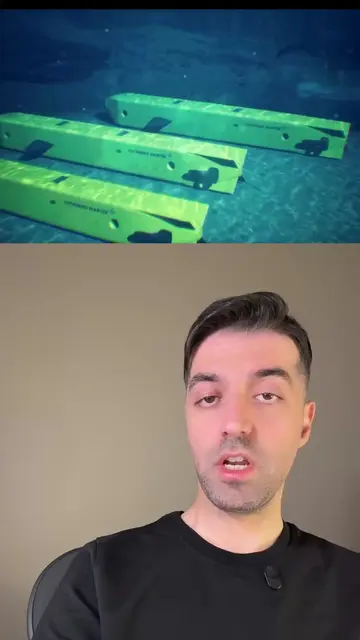
The video explores the simulation hypothesis, suggesting that our reality might be a computer simulation. It presents arguments from Nick Bostrom and Dr. Melvin Vopson, using analogies from video games and phone storage to illustrate how a simulated universe might function and why the speed of light could be a limitation imposed by programmers. The presenter concludes that there's a high probability we are in a simulation with little chance of being in the 'real' world.
Structure
- 1Introduction to the simulation hypothesis
- 2Nick Bostrom's arguments on technological advancement and simulation creation
- 3The probability of being in a simulation based on the number of simulated worlds
- 4Dr. Melvin Vopson's hypothesis using phone storage and DNA compression as analogies
- 5The speed of light as a potential simulation limitation
- 6Conclusion on the high probability of living in a simulation
Call to action
Complete video on YouTube
(Link in Bio)
Original caption
آیا ما در یک شبیهسازی کامپیوتری زندگی میکنیم؟ با پیشرفت خیرهکننده هوش مصنوعی و قدرت پردازش سیستمها، این احتمال که جهان ما تنها یک شبیهسازی باشد، بیش از پیش جدی شده است. در سال ۲۰۰۳، فیلسوفی از دانشگاه آکسفورد استدلالی منطقی ارائه داد: با توجه به سرعت پیشرفت تکنولوژی، تمدن ما در آینده قادر خواهد بود جهانهای مجازی متعددی با موجودات آگاه بسازد. اگر چنین تواناییای شکل بگیرد، میلیاردها شبیهسازی به صورت خودکار اجرا خواهد شد. در نتیجه، از نظر آماری و در برابر میلیاردها واقعیت مجازی، شانس اینکه ما در تنها واقعیت اصلی زندگی کنیم تقریبا صفر است؛ دیدگاهی که شخصیتهایی نظیر ایلان ماسک نیز بر آن تاکید دارند. علاوه بر احتمالات آماری، نشانههای فیزیکی نیز این فرضیه را تقویت میکنند. به عنوان نمونه، در بازیهای ویدیویی (مانند ماینکرفت)، محیط تنها زمانی پردازش و بارگذاری میشود که بازیکن به آن نگاه کند تا پردازندهی سیستم دچار فروپاشی نشود. در جهان هستی نیز «سرعت نور» میتواند نقش مشابهی داشته باشد. در واقع، سقف سرعت نور ممکن است محدودیتِ انتقالی باشد که برنامهنویسانِ این جهان تعیین کردهاند تا سیستمِ شبیهساز، فرصت کافی برای بارگذاری محیطِ پیش رو را داشته باشد و دچار اختلال نشود. با وجود تمام شواهدی که بر شبیهسازی بودن جهان تاکید دارند، استدلال فوقالعادهای وجود دارد که احتمال واقعی بودن ما را به طرز چشمگیری افزایش میدهد. برای مشاهده ی این استدلال ویدیوی کامل را از کانال یوتیوب تماشا کنید. نظر شما چیست؟ اگر فرض کنیم جهان واقعاً یک شبیهسازی است، به نظر شما بزرگترین باگ یا خطایی که برنامهنویسان هنگام ساخت سیستمِ «ایران» به جا گذاشتهاند، چیست؟ #شبیه_سازی #هوش_مصنوعی #اسرار_کیهان
More from @hamid.ghoraishi
More breakout videos from this creator.