Loading video…
All breakouts
3.2Text-HeavyHow-To hookFinance
Hook
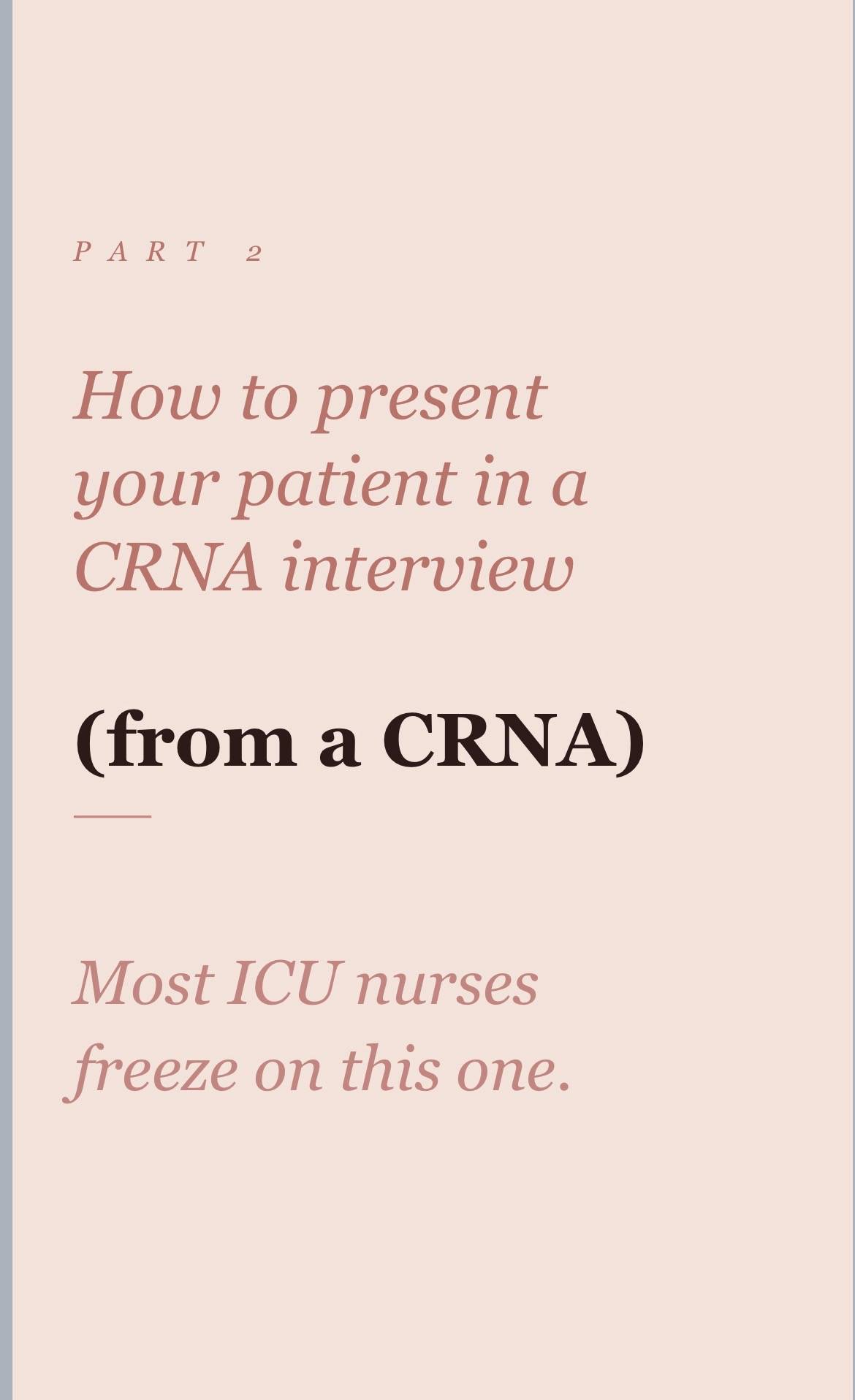
PART 2 How to present your patient in a CRNA interview
@rae_symone_
10.5K followers · usually 4.1K views a post
Views
12.2K
Likes
1.2K
Comments
4
Shares
51
Why it worked
The content provides highly specific, actionable advice for a niche audience (CRNA interviewees) facing a common pain point. The structured, step-by-step format makes complex information digestible and memorable, encouraging saves and follows for future content.
Summary
This is part two of a series on how to present a patient in a CRNA interview. It breaks down the key elements to cover, starting with a brief background and moving through hemodynamics, titrations, vigilance, and specific patient cases. The content emphasizes presenting information like a clinician rather than a bedside handoff.
Structure
- 1Introduction to patient presentation for CRNA interviews
- 2The Setup: Brief background
- 3Hemodynamics: Lines, drips, and numbers
- 4Your Thinking: What you were titrating and why
- 5Vigilance: What you were watching for
- 6Patient Case: Pulmonary HTN + cardiogenic shock
- 7Why it Matters for Anesthesia
- 8Teaser for Part 3: Questions and answers
Call to action
Follow so you don't miss it.
Original caption
The patient presentation is where most ICU nurses lose the room, often times because they present their patient scenario like a bedside handoff instead of a clinician. Save this! Part 3 is the questions they actually ask, and how to answer them. Follow so you don’t miss it 🫁 #CRNA #CRNAschool #CRNAlife #ICUnurse #CRNAinterview
More from @rae_symone_
More breakout videos from this creator.