Loading video…
Sound

original sound - motivcnah6y
Buffett Fan Page · Original audio
0:00–:––
Playing this video’s own audio, so you’ll hear the creator over the sound.
Hook
Posted Jul 14, 2026Video · 4:07by @motivcnah6y
We didn’t find a product being promoted in this video. Its hook, format and structure below still show why it took off.
Browse products winning on TikTokThe video leverages the authority of Warren Buffett and a relatable financial concept (inflation's impact on savings) to create a sense of urgency and provide valuable, actionable information. The promise of explaining complex financial ideas in simple terms and saving viewers money is a strong hook.
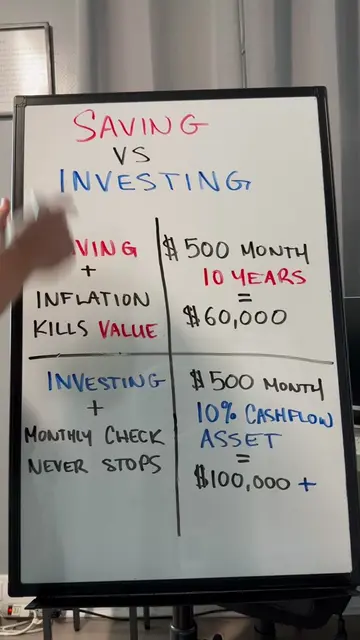
The video explains how inflation erodes the value of money held in savings accounts, even though the account balance itself doesn't decrease. The speaker highlights that banks profit from this situation by lending out deposited funds while the depositor's purchasing power diminishes. The speaker encourages viewers to understand this concept to avoid losing money over time.
The FED Just Reset the Stock Market (Hint Act Now_) _ WARREN BUFFETT #warrenbuffett #mindset #motivation #successmindset #getrich
The FED Just Reset the Stock Market (Hint Act Now_) _ WARREN BUFFETT
Introduction to the FED's market reset and unnoticed changes.
Personal experience with market shifts and the advantage of early recognition.
The contrast between smart investors and those who miss changes.
The hidden cost of keeping money in savings accounts due to inflation.
Explanation of how banks profit from deposited funds.
The importance of understanding the difference between nominal and real value.
The concept of a 'slow leak' and why it's often ignored.
The frustration of saving diligently but losing purchasing power.
hit subscribe right now
Playing this video’s own audio, so you’ll hear the creator over the sound.
Outliers and viral hits: their videos on Overshot, all time.