Loading video…
Sound

original sound - shoptansy
Shoptansy · Original audio
0:00–:––
Playing this video’s own audio, so you’ll hear the creator over the sound.
We didn’t find a product being promoted in this video. Its hook, format and structure below still show why it took off.
Browse products winning on TikTokThe video provides clear, actionable advice on a common gardening problem, using visual aids to differentiate between root types and explain the best time to transplant cuttings.
The video explains the difference between adventitious roots and lateral roots in plant cuttings. It advises viewers to wait for lateral roots to develop before transplanting cuttings into soil, as adventitious roots are not yet equipped to absorb water from soil.
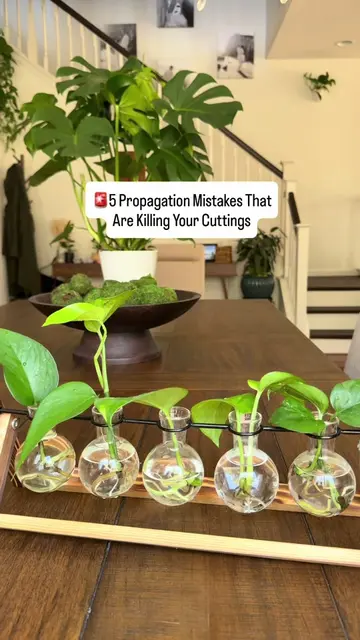
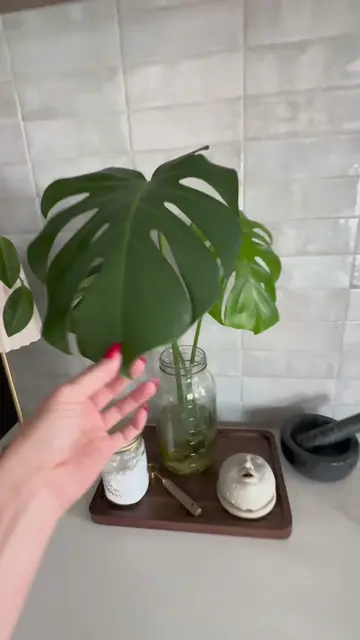
🪴Water Propagation How To: • Find the Node and Cut Never chop a random piece of stem! You must locate a node, which is the bump on the stem usually where a leaf meets the main branch. Use scissors to cut about a half-inch below that node. Then, go ahead and pop off any leaves that sit too close to the cut so they do not end up under water. LET CUTTING CALLOUS OVERNIGHT BEFORE PUTTING IT IN WATER! This will help prevent rot. • Put It in Water Place your cutting in a cler jar with water. Make sure at least one node is fully submerged. Keep the jar in bright, indirect. What to watch for next: Your cutting will grow two distinct types of roots before it is ready for soil! Adventitious Roots These are the very first roots that come directly out of the node. They look like single, thick, white or light green strand. This single root cannot absorb nutrients from soil yet, so do not plant it just yet or you will kill the cutting! Lateral Roots These are the tiny, hair-like secondary roots that start branching off the sides of your main adventitious roots. Now you can pot your cutting. Once you see roots growing on your roots, the plant has the structure it needs to survive in soil! How to Care for Your Water Props • Always change the water weekly!Oxygen in water depletes over time, so give your cuttings fresh, water every five to seven days. • Make sure to keep you water and jar clean! If the water looks cloudy or green, dump it immediately, rinse the vase, and gently rinse the plant's stem. • Healthy new roots should always feel firm to the touch, while anything black or mushy needs to be cut off immediately.
stop
Introduction to the problem of dying cuttings
Explaining adventitious roots
Explaining lateral roots
Advice on transplanting based on root type
Care instructions for newly transplanted cuttings
Playing this video’s own audio, so you’ll hear the creator over the sound.
Promotes 1 product. Create free account to see more.
Outliers and viral hits: their videos on Overshot, all time.