Loading video…
All breakouts Locked — upgrade to Pro to open.Open on TikTokPro
No preview available · watch on TikTok below
2.4Health
Post
Post by @kristicreatesofficial
@kristicreatesofficial
18.4K followers · usually 13.2K views a post
Views
30.5K
Likes
1.2K
Comments
52
Shares
180
We’re still analyzing this post.
Original caption
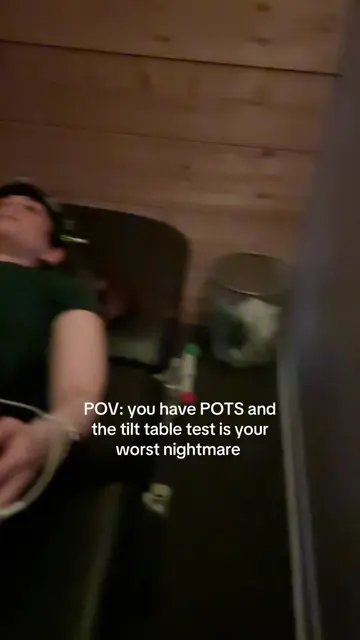
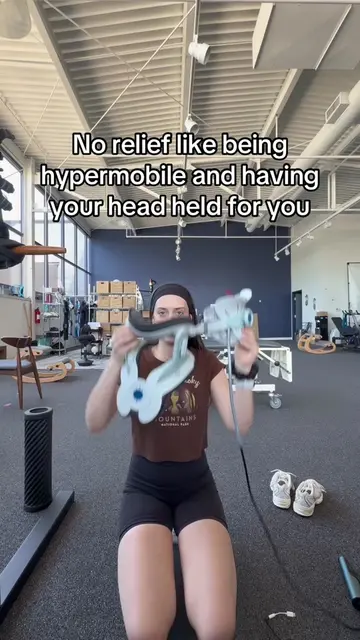
Had blood pooling in my stomach today after eating lunch; sometimes my food feels like it "gets stuck" making my heart race, air hunger, increased lightheadedness and fatigue, etc. I pulled out my stim machine to see if waking up some of my peripheral nerves would help ease this and to my surprise, my circulation returned, my belly gurgled, food moved through and my heart rate stabilized again. (Thank you proprioception!!!) Didn't expect that result but the physiology does make sense. Eating shifts a large volume of blood into the splanchnic circulation to support digestion. In a healthy system the baroreflex compensates by increasing peripheral vascular resistance and heart rate so blood pressure holds steady. In POTS and other forms of dysautonomia that baroreflex signaling is often impaired, so the compensation doesn't fire properly and blood pools instead of redistributing. Peripheral nerve stimulation has been shown in human studies to directly affect blood pressure and shift autonomic balance, not just through the vagus nerve but through nerves like the median and tibial nerve as well. It works really well in my case because my proprioception is weak and my brain has a hard time feeling where my body is in space, resulting in delayed signaling to my blood vessels when they need to constrict. Stimulating those pathways directly helps close that gap (even with hEDS). Sources: PMID 41918339 (postprandial hypotension mechanism), PMID 30297735 (median nerve stimulation lowers blood pressure in humans), PMID 41684334 (tibial nerve stimulation shifts autonomic balance in humans), PMID 37999672 (vagus nerve stim RCT in POTS), PMID 19324710 (baroreflex physiology), Proske & Gandevia, Physiol Rev 2012, DOI 10.1152/physrev.00048.2011 (proprioception and nerve signaling). Sharing my own experience, not medical advice. #POTS #potssyndrome #dysautonomia #spoonie #posturalorthostatictachycardiasyndrome
More from @kristicreatesofficial
More breakout videos from this creator.