Loading video…
All breakouts Locked — upgrade to Pro to open.Open on TikTokPro
No preview available · watch on TikTok below
7.6Health
Post
Post by @kristicreatesofficial
@kristicreatesofficial
18.4K followers · usually 13.2K views a post
Views
98.2K
Likes
3.5K
Comments
53
Shares
165
We’re still analyzing this post.
Original caption
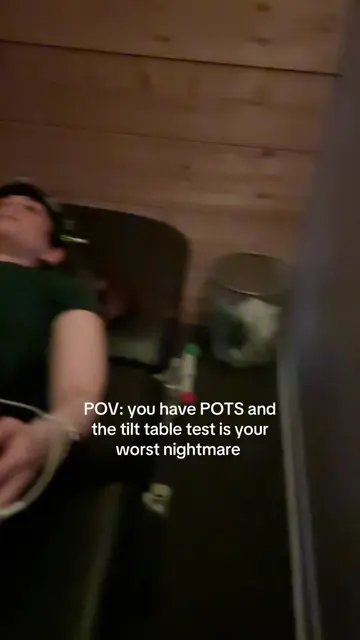
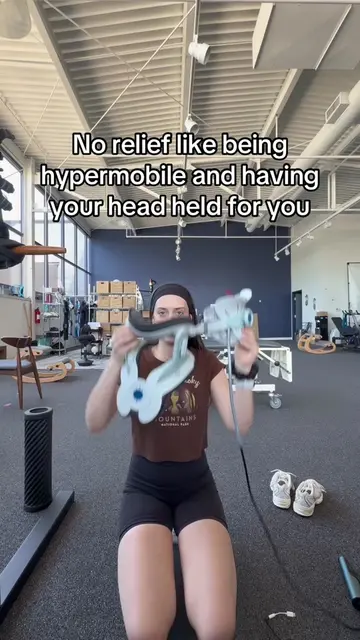
Neurology-based POTS studies suggest that in many cases, POTS looks less like a heart problem and more like the heart compensating for something else (often inadequate blood flow/return to the brain). One example: coat hanger pain isn’t just a symptom of POTS. For me, mine traced back to a cervical proprioceptive issue I didn’t even know I had for year, a different mechanism than the usual explanation. I’m not saying that’s the cause for everyone, just that it’s one mechanism worth knowing about. By encouraging blood flow to the head, your brain may not need to drive your heart rate up as much to compensate. 🧠🫀 When we look at POTS this way, as a compensatory response with multiple possible mechanisms, it opens up different treatment angles. ❤️🩹 Novak P, Hypocapnic cerebral hypoperfusion: A biomarker of orthostatic intolerance (PMID 30256820) Novak V et al., Hypocapnia and cerebral hypoperfusion in orthostatic intolerance (PMID 9731612) Raj SR, The Postural Tachycardia Syndrome (POTS): pathophysiology, diagnosis & management (PMID 16943900) Raj SR, Postural tachycardia syndrome (POTS) (PMID 23753844) Differentiating the Structural and Functional Instability of the Craniocervical Junction (PMC11476954) #POTS #potssyndrome #posturalorthostatictachycardiasyndrome #spoonie #dysautonomia
More from @kristicreatesofficial
More breakout videos from this creator.