Loading video…
All breakouts
1.1KText-HeavyOther hookHealth
Hook
SASpine
@stevencyrmd
166.2K followers · usually 1.3K views a post
Views
1.6M
Likes
44.4K
Comments
915
Shares
11.1K
Why it worked
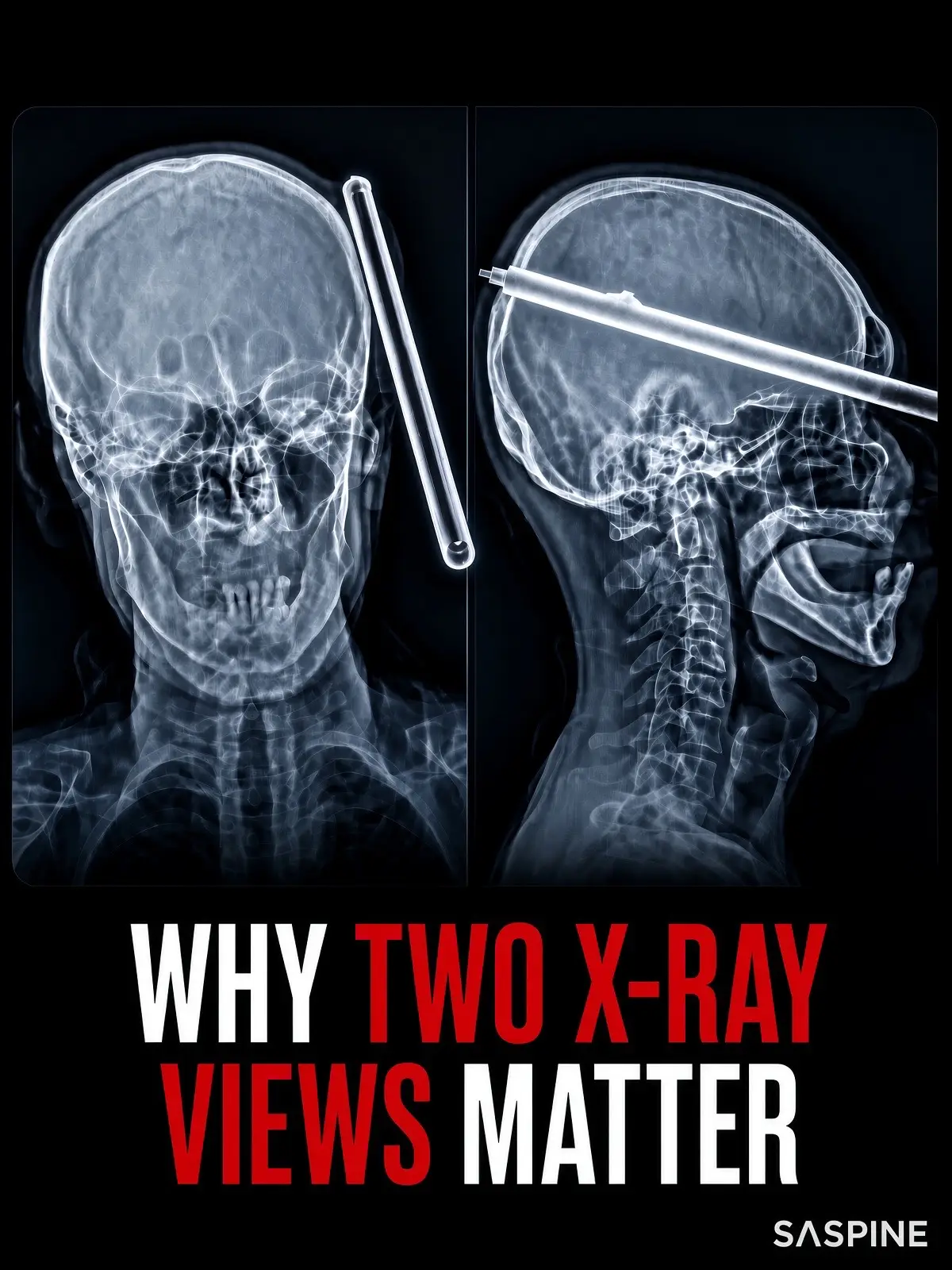
The post leverages striking and informative medical imagery to visually explain a complex health topic, making it highly shareable and engaging.
Summary
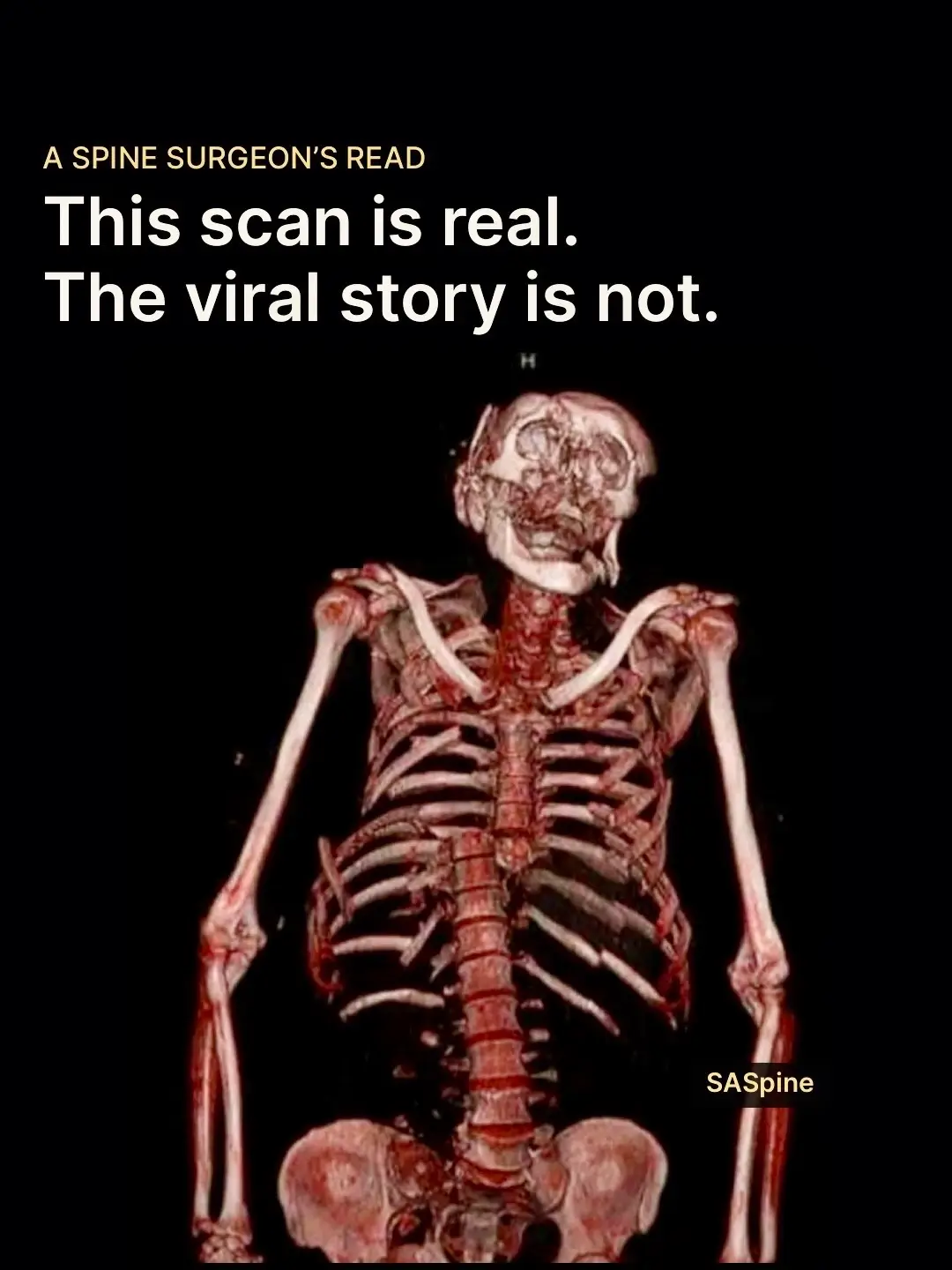
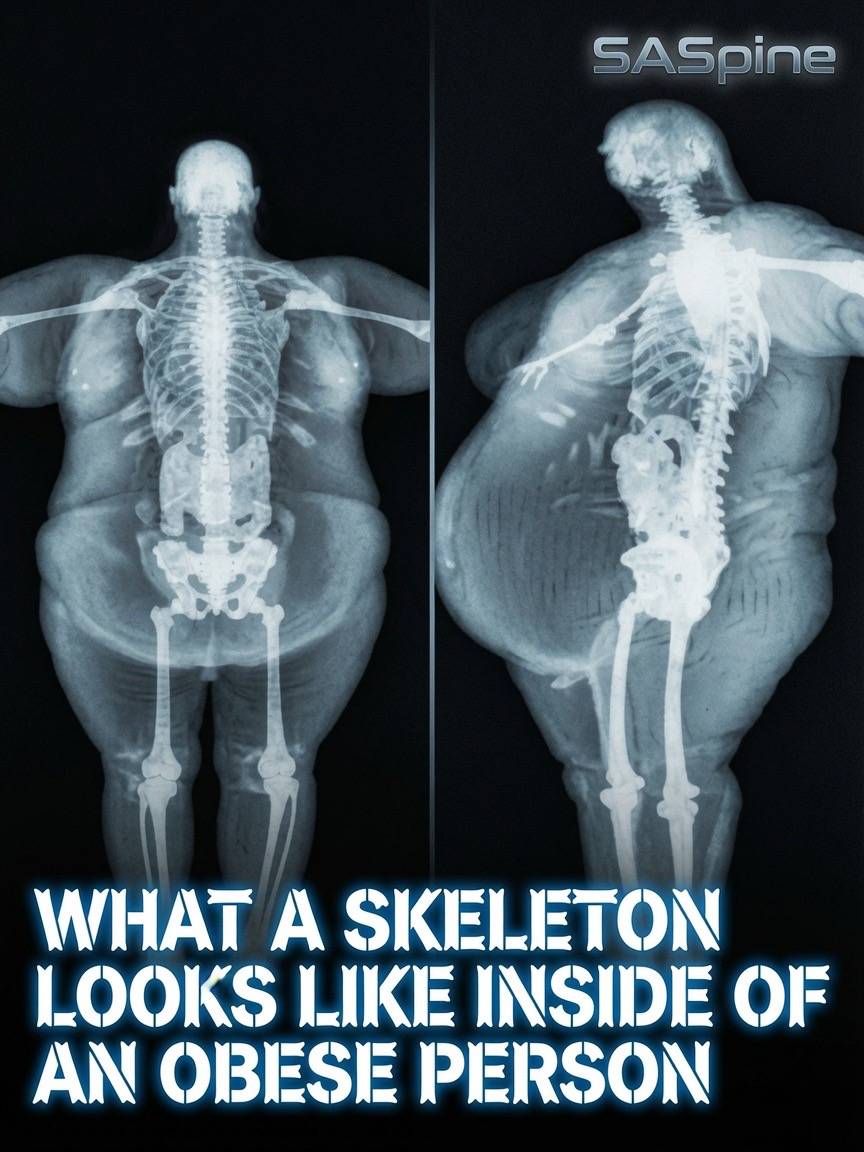
The post uses X-ray and CT scan images to illustrate how obesity affects the human skeleton, emphasizing the increased workload and pressure on bones and joints. It highlights that while obesity doesn't reshape the skeleton itself, it significantly alters the forces the skeletal structure must endure.
Structure
- 1Introduction of SASpine and the visual comparison of skeletons inside obese individuals.
- 2Explanation that obesity increases the workload on bones and joints.
- 3Quantification of increased pressure on knees due to extra body weight.
- 4
Original caption
Swipe → Obesity doesn’t reshape the human skeleton — but it completely rewrites the workload those bones carry. The same frame that once supported a lighter body is suddenly asked to absorb far greater force with every single step. Over years, that extra load leaves a clear mark on the joints. Here’s the math that stops people in their tracks: For every extra pound of body weight, the knees take on roughly four pounds of additional pressure. Climb stairs and the multiplier goes even higher. Carry an extra 50 pounds and you’re sending around 200 pounds of added force through the knees on every stride. That relentless loading hits the weight-bearing joints hardest — knees, hips, ankles, and the lower spine. Over time the consequences compound. Cartilage wears down faster. Osteoarthritis risk climbs. Studies consistently show people with obesity are far more likely to eventually need a knee replacement. The strain doesn’t stop at the joints either. Extra abdominal weight shifts the body’s center of gravity forward, pulling on the muscles and discs of the lower back and changing posture and gait. Fat tissue also releases inflammatory signals that accelerate joint breakdown beyond pure mechanical wear. Same bones. Far greater strain. And it’s striking when you see it laid out on an X-ray. If any of this raises questions about your own joints or spine, talk with an orthopedic specialist. We’re here when you’re ready. Sources: OrthoConnecticut, UNC Cary Orthopaedics, International Journal of Obesity #SpineHealth #JointHealth #Orthopedics #KneeHealth #BackPain
More from @stevencyrmd
More breakout videos from this creator.