Loading video…
All breakouts
4.0Text-HeavyDirect Question hookEducation
Hook
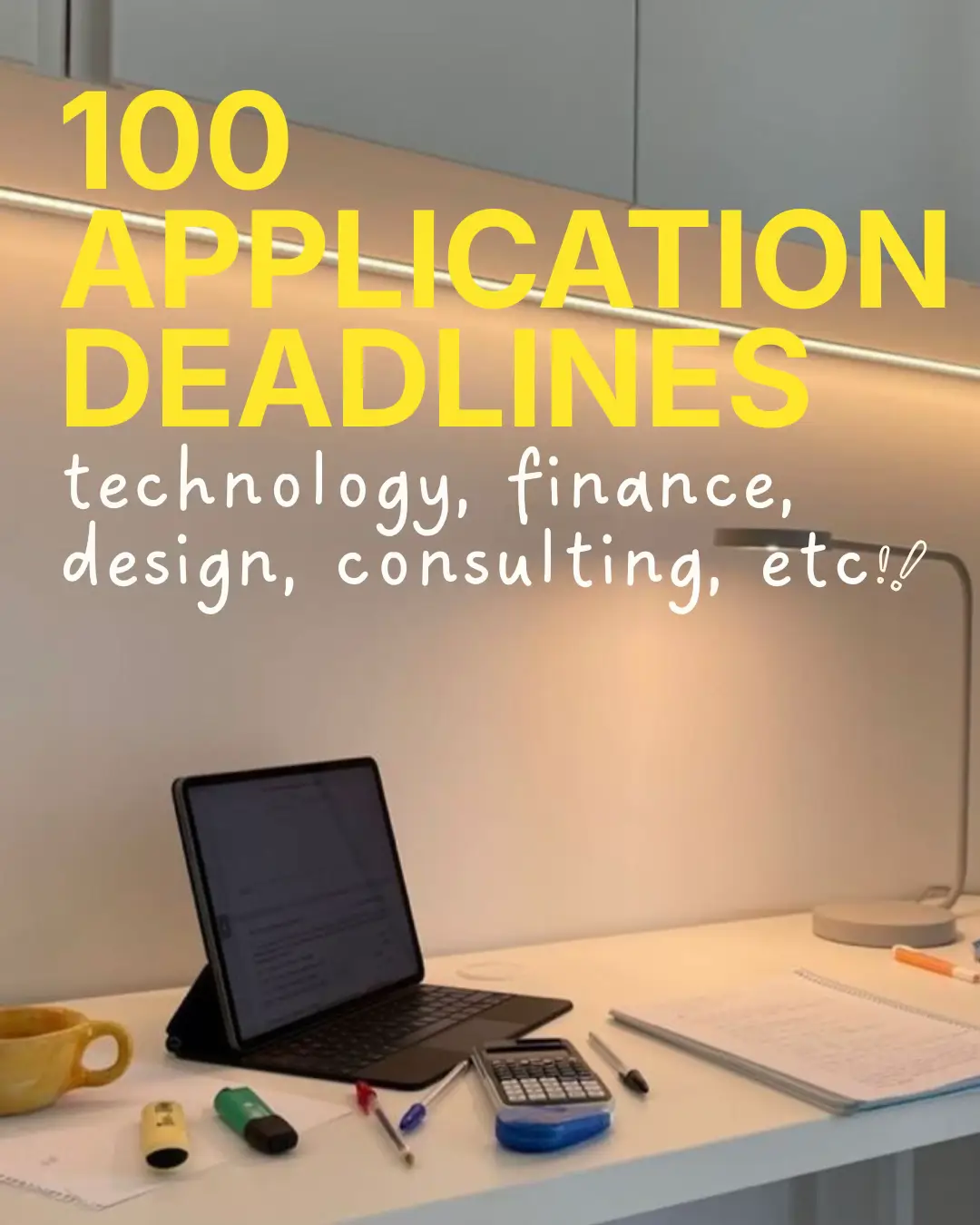
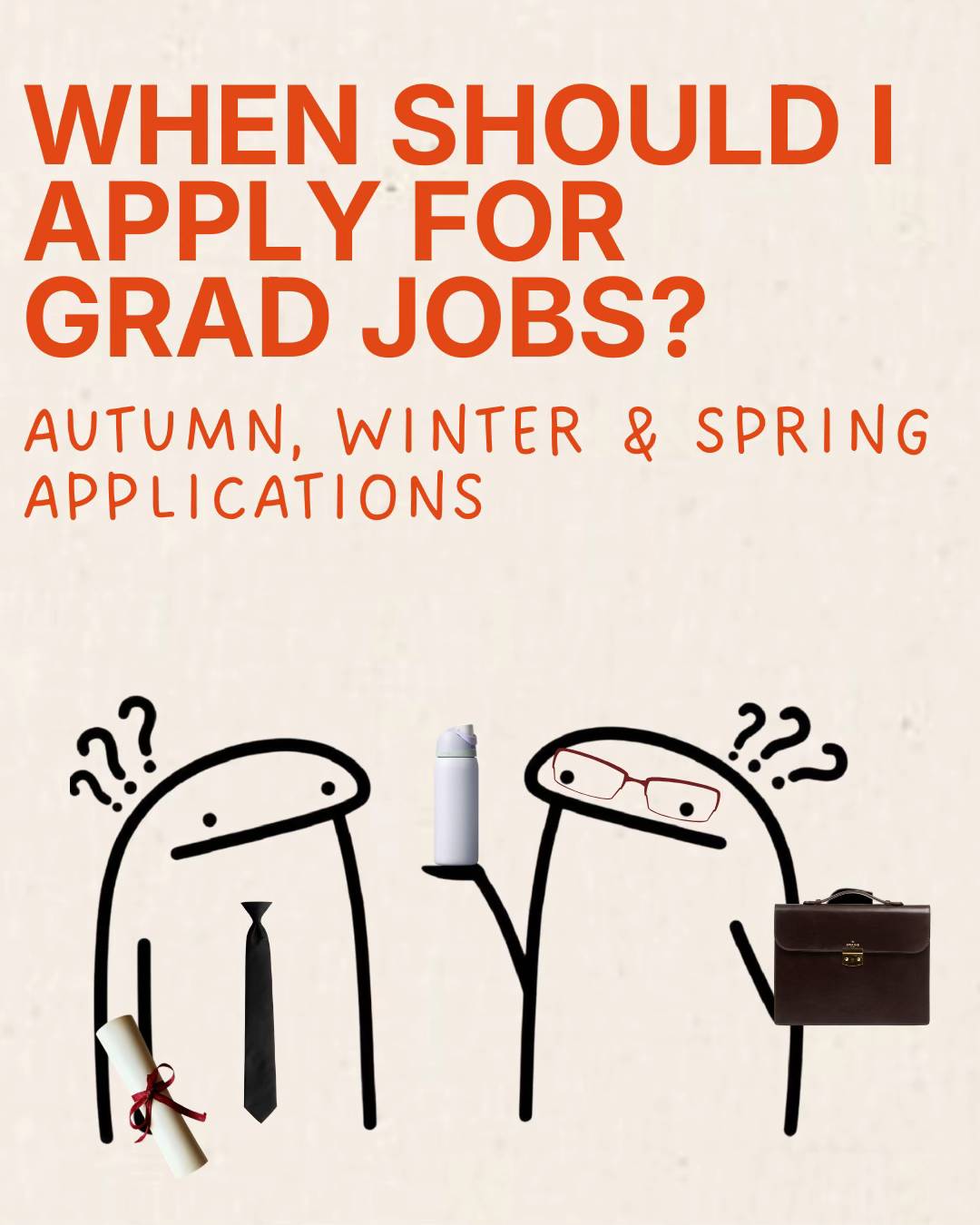
WHEN SHOULD I APPLY FOR GRAD JOBS?
@pnotsosecret
12.5K followers · usually 1.2K views a post
Views
4.5K
Likes
313
Comments
2
Shares
43
Why it worked
The post provides clear, actionable advice on a topic relevant to a large audience (students and recent graduates), presented in an easily digestible, visual format.
Summary
This photo post breaks down the pros and cons of applying for graduate jobs in Autumn, Winter, and Spring. It explains that each application phase caters to different types of employers and roles, advising candidates to choose wisely based on their circumstances.
Structure
- 1Introduction to grad job application timelines
- 2Pros and cons of Autumn applications
- 3Pros and cons of Winter applications
- 4Pros and cons of Spring applications
- 5Overall consensus and advice
On-screen text
WHEN SHOULD I APPLY FOR GRAD JOBS?
AUTUMN, WINTER & SPRING
APPLICATIONS
???
???
The yearly hiring cycle for graduate jobs usually starts from August/September.
Graduate jobs typically release their applications in three phases: Autumn (Sept-Nov), Winter (Dec-Feb) and Spring (Mar-April).
There are different thoughts about what time is best to apply & the advantages it gives. Here's a breakdown:
Pros & Things to Think About: Autumn Applications
• Almost all big employers open their primary intakes in Autumn giving you more options to apply to.
• The hiring processes follow a set blueprint, so you know roughly when interviews and assessment centres will take place (December-January).
• Applying early & landing an offer in Autumn means your final year of university can be stress-free, regarding job security.
Things to Consider
• Most people tend to apply at this time - all at once - meaning high candidate volume and noisy application pools.
• Lengthy multi-stage processes can be tough to juggle with the start of your academic term.
Pros & Things to Think About: Winter Applications
• Winter holidays can give you dedicated, uninterrupted time to tailor your CV and practice assessments without assignment.
• Big employers often reopen roles or release extra spots if their Autumn intake didn't fill up.
• The initial panic calms down, possibly giving well-tailored applications a better chance to get noticed.
Things to Consider
• Some competitive, niche sectors will have already closed their doors by December.
• Winter roles often review on a rolling basis, so applying earlier in the window matters more than waiting for the final closing date.
Pros & Things to Think About: Spring Applications
• By Spring, you would likely know your predicted degree result, your dissertation focus and your actual career interests much better than you did in Autumn.
• If your time was spent wisely, your skills, experience, CV and cover letter should be stronger.
• Many roles look for immediate entry (after graduation) rather than making you wait until an Autumn start date.
• 'Spring roles' (haha spring rolls) tend to have fewer assessment stages and much faster turnaround times.
i had to turn down an interview to focus on my final exam (damn you Trust)
Things to Consider
• Spring collides directly with final exams, dissertations, and major project deadlines, requiring smarter management.
• You may see fewer rotational schemes/internships and more direct-entry roles with immediate responsibilities from day one.
Overall Consensus
There is no single "best" window to apply for graduate roles - each phase simply caters to different types of employers, role structures and personal circumstances.
The most important thing to remember is regardless of when you apply, you can only apply to a company once in an application cycle. It's important to choose which role & when wisely.
Candidates targeting structured, multi-year rotational training schemes benefit most from applying in Autumn or Winter. Candidates targeting direct-entry positions or smaller companies often find their best matches in Spring.
Original caption
autumn v winter v spring applications. who’s on top?🤔 #interview #applications #gradjobs #internship #gradlife
More from @pnotsosecret
More breakout videos from this creator.