Loading video…
Sound

original sound - habitist
Chinese with David · Original audio
0:00–:––
Playing this video’s own audio, so you’ll hear the creator over the sound.
The video provides clear, practical language instruction with relatable examples, addressing a common point of confusion for Mandarin learners. The direct comparison and contextual explanations make the information easily digestible and applicable.
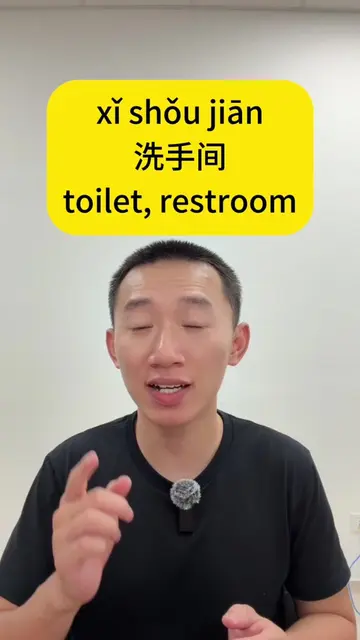
This video explains the difference between two ways to say "sorry" in Chinese: 对不起 (duì bu qǐ) and 不好意思 (bù hǎo yì si). It details when to use each phrase, with 对不起 being more serious and 不好意思 being more casual, and provides examples for various situations.
Say SORRY:对不起 vs 不好意思 In Chinese, both 对不起 and 不好意思 can mean sorry, but they feel a little different. 对不起 is a more direct and serious apology. You can use it when you make a clear mistake, hurt someone, or cause a real problem. 不好意思 sounds softer and more casual. It is commonly used for small mistakes, minor inconveniences, or slightly awkward situations. #learnchinese #mandarin #hsk #chineselanguage #chineseculture #hsk1 #hanzipro #mandarinchinese #chinesegrammar
dùi bu qǐ
Introduction of two ways to say sorry in Chinese
Explanation of 对不起 (duì bu qǐ) for serious apologies
Explanation of 不好意思 (bù hǎo yì si) for casual apologies
Examples of usage for both phrases
Recommendation on when to use each phrase
Promotion of the HanziPro app for more Mandarin courses
HanziPro (ACTS - it is an app that teaches Mandarin, and the video is promoting it as a place to find more courses. Removing it would change what happens in the video.)
Playing this video’s own audio, so you’ll hear the creator over the sound.
Promotes 1 product. Create free account to see more.
Outliers and viral hits: their videos on Overshot, all time.
Mandarin learning app for people studying Chinese vocabulary and usage
All time.