Loading video…
All breakouts
3.8Text-HeavyOther hookLifestyle
Hook
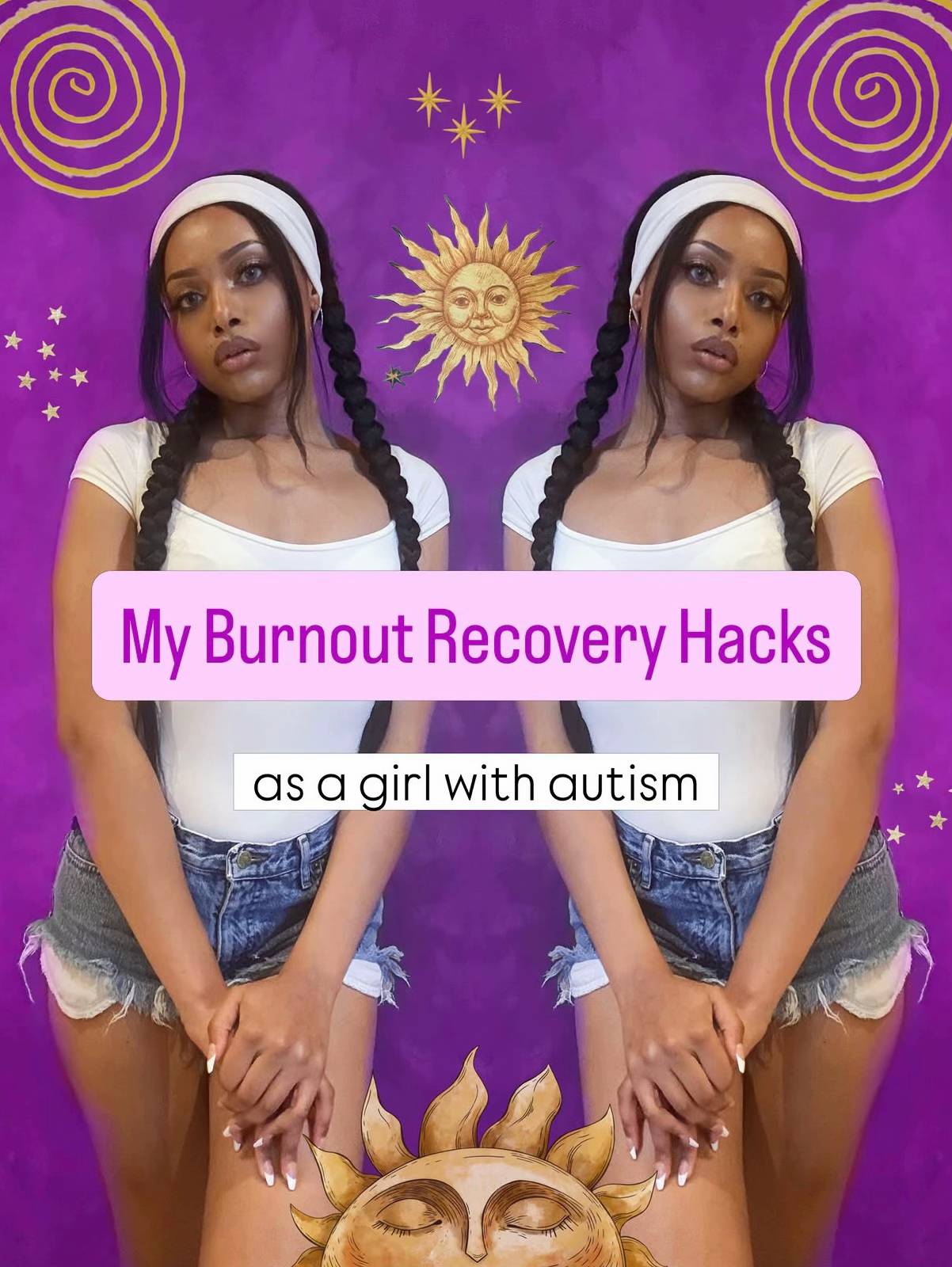
My Burnout Recovery Hacks
@littlemissmonroe
68.1K followers · usually 26.4K views a post
Views
97.6K
Likes
16.6K
Comments
323
Shares
667
Why it worked
The content is highly relatable and addresses a specific niche (autistic burnout recovery), offering practical, actionable advice presented in an easily digestible format. The use of personal anecdotes and a direct question to the audience encourages engagement and community building.
Summary
This slideshow shares personal hacks for autistic burnout recovery, focusing on radical rest, intentional unmasking, and creative expression. It also touches on lifestyle adjustments like living in candlelight, using noise-canceling headphones, and taking baths to manage sensory input and promote healing.
Structure
- 1Introduction to burnout recovery hacks for autistic individuals
- 2Discussing radical rest and intentional unmasking
- 3Exploring lifestyle adjustments like candlelight, headphones, and baths
- 4Highlighting creativity, self-care, and restructuring life
- 5Mentioning supporting mitochondria and low-stimulation exercise
- 6Concluding with a question to the audience about their own hacks
Call to action
Keep it going in the comments ✨ how do you help your body heal from autistic burnout? 💜
On-screen text
My Burnout Recovery Hacks
as a girl with autism
Radical Rest
If my body wants to nap at 11 AM, I let it. No guilt, no pushing through the day. I stopped viewing rest as laziness because for autistic brains and bodies, it is a a huge part of staying healthy.
Intentional Unmasking
When I'm burnt out, I do not mask. Masking costs energy I don't have, so I only hang out with people I feel safe being fully myself around.
Preventative Gardening
The hardest part of burnout is stopping the feedback loop. When I feel it coming on, I use an edible early so my brain can settle before sensory overload kicks in. It helps take the edge off everyday sounds, which makes it easier to actually recover instead of spiralling further into burnout.
Creativity > Productivity
I don't believe burnout heals through rest alone. For me, expression is a huge part of healing. If I suddenly feel a spark of inspiration, I let it take precedence over my to-do list. Creating something by choice recharges me, while forced productivity drains me.
Living In Candlelight
The big overhead lights are completely banned. I keep my house as dark and soft as possible and light candles instead. It gives my brain less visual input to process, which helps my nervous system relax and recharge.
Noise Cancelling Headphones 24/7
Tiny background noises can drain my battery without me noticing. During recovery weeks, I wear my noise cancelling headphones most of the day to reduce sensory input and give my brain a proper break. I wear them at home and even to sleep if I need.
Lots of Baths
Baths help pull my body out of "fight or flight" which is important for burnout recovery. I add magnesium, use a luxurious smelling bath foam, pour a sleepy girl mocktail, light candles and get a spicy mafia romance up on my Kindle.
Pretending I'm On Vacation
I give myself at least a week to act like the outside world doesn't exist. If I don't want to do something, I don't. If I get a spontaneous urge to treat myself to a spa day or a nice restaurant, I do it. Zero guilt. Sometimes a big part of autistic burnout is just doing daily tasks that drain you.
Solo Dates
Sometimes getting dressed up and doing my hair and makeup makes me feel more recharged. I love taking myself out to the cinema or a nice restaurant alone. You get the joy of going out, with none of the social expectations or pressure that can come with being around people. It's a perfect way to recover from burnout while still exploring and enjoying the world.
Cry Sesh
Sometimes autistic emotions build up quietly in the background. When I'm burnt out, I let myself cry it out, even if I don't fully know why I'm crying.
Restructuring My Life
I now see burnout as a signal. It's my body saying something in my life is out of alignment with who I am. So I sit down, audit everything (work, screen time, relationships) and make a brutal plan to cut back or rebalance what's draining me.
Supporting My Mitochondria
There's emerging research looking at autism, burnout and cellular energy. I trialled CoQ10 (ubiquinol) and quercetin because they support mitochondrial function and help protect cells from oxidative stress. And I did notice a difference personally.
Walking
Walking is a very low stimulation way to get exercise in when you're burnt out. Sometimes a full gym/pilates session is too much. Instead of feeling bad for not exercising for a while, I like to do what I can and get my steps in.
What are some of your hacks for autistic burnout recovery?
Original caption
Keep it going in the comments ✨ how do you help your body heal from autistic burnout? 💜 #autism #girlswithautism #autismtok
More from @littlemissmonroe
More breakout videos from this creator.