Loading video…
All breakouts
6.9Talking HeadHow-To hookSaaS
Hook
Meta ads for products > $1,000
@brendenbuilds
61.5K followers · usually 828 views a post
Views
5.1K
Likes
226
Comments
26
Shares
42
Promoted product
—
Why it worked
The video provides actionable advice on a common pain point for e-commerce advertisers running high-ticket items on Meta, offering a clear, multi-step strategy that addresses the platform's limitations.
Summary
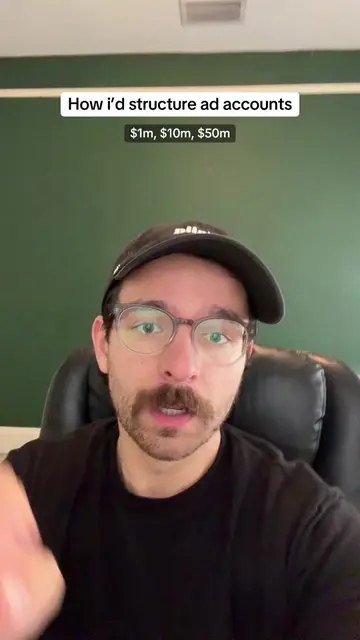
This video explains how to effectively run Meta ads for products priced over $1,000, addressing the challenge of long customer consideration periods and Meta's attribution windows. It suggests a multi-tiered retargeting strategy, starting with a broad 'view content' campaign to identify interested users, followed by progressively longer retargeting windows (1-30 days, 30-60 days, 60-90 days) with exclusions to ensure the algorithm can still optimize effectively.
Structure
- 1Problem: High AOV products struggle with Meta's learning phase and short attribution windows.
- 2Explanation: Long consideration periods (up to 90 days) mean purchases happen outside Meta's 7-day window.
- 3Solution: Use a multi-tiered retargeting strategy.
- 4Tier 1: Broad 'view content' campaign to identify interested users.
- 5Tier 2: 1-30 day retargeting optimized for purchases, excluding recent buyers.
- 6Tier 3: 30-60 day and 60-90 day retargeting with exclusions to refine targeting.
Original caption
What’s your strategy? #metaads
More from @brendenbuilds
More breakout videos from this creator.