Loading video…
All breakouts
8.5Text-HeavyStory Open hookEntertainment
Hook
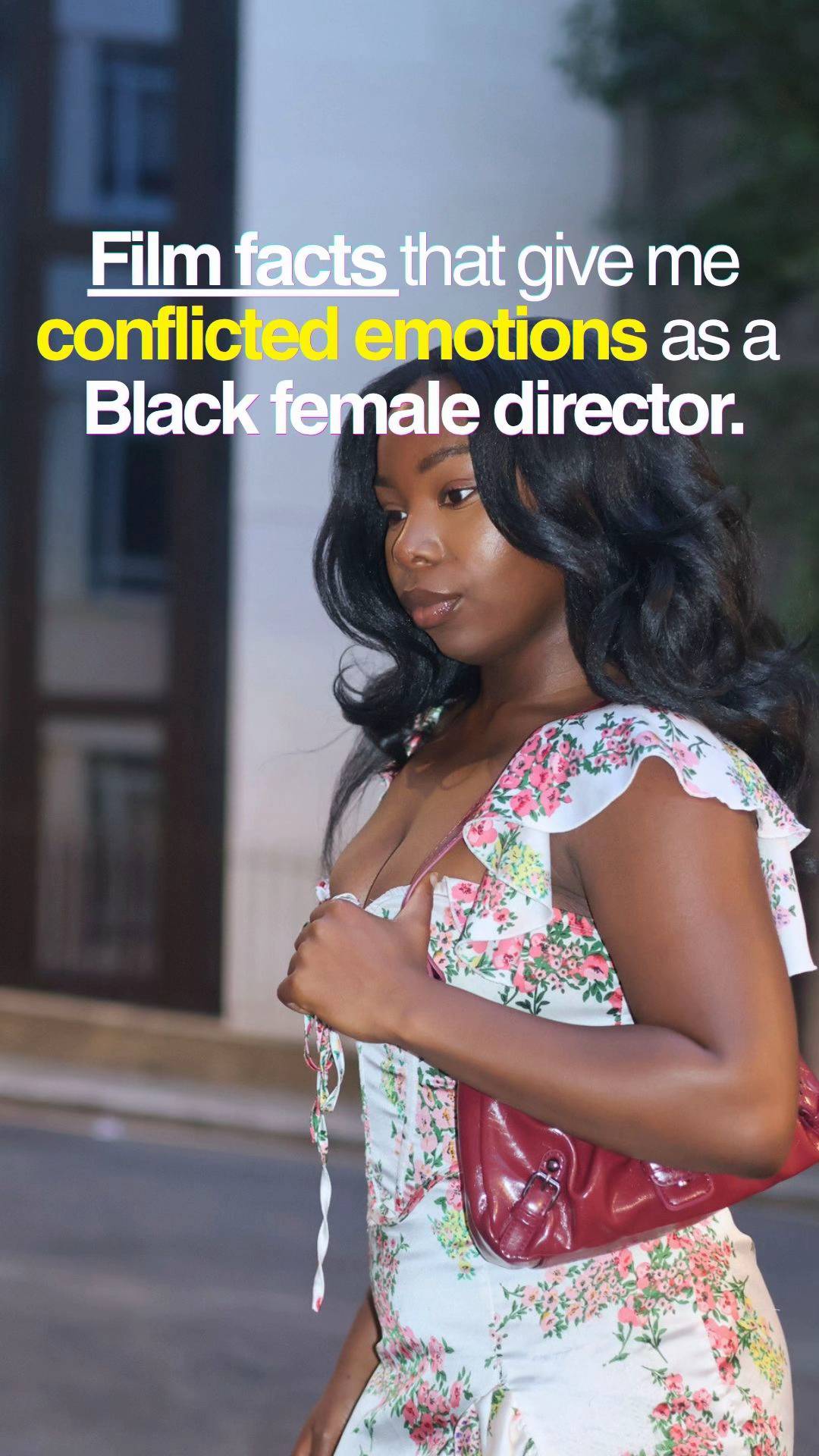
Film facts that give me conflicted emotions as a Black female director.
@christineubochi
8.8K followers · usually 1.1K views a post
Views
7.3K
Likes
886
Comments
18
Shares
3
Why it worked
The post taps into a shared frustration and provides specific, impactful historical facts that resonate with the target audience, creating a sense of solidarity and inspiring action.
Summary
This photo post highlights historical and ongoing challenges faced by Black filmmakers and performers in the film industry, particularly concerning representation and recognition at the Oscars and in hair and makeup practices. It concludes with an encouraging message for Black women to continue writing and making films to drive change.
Structure
- 1Introduction of conflicted emotions as a Black female director.
- 2Lack of Black representation in Oscar directing awards.
- 3Historical lack of appropriate makeup for Black skin.
- 4Challenges with styling Black hair in film productions.
- 5Call to action to continue creating films.
On-screen text
Film facts that give me conflicted emotions as a Black female director.
In nearly 100 years of the Oscars, not a single Black filmmaker has won Best Director.
And no Black woman has ever been nominated for one.
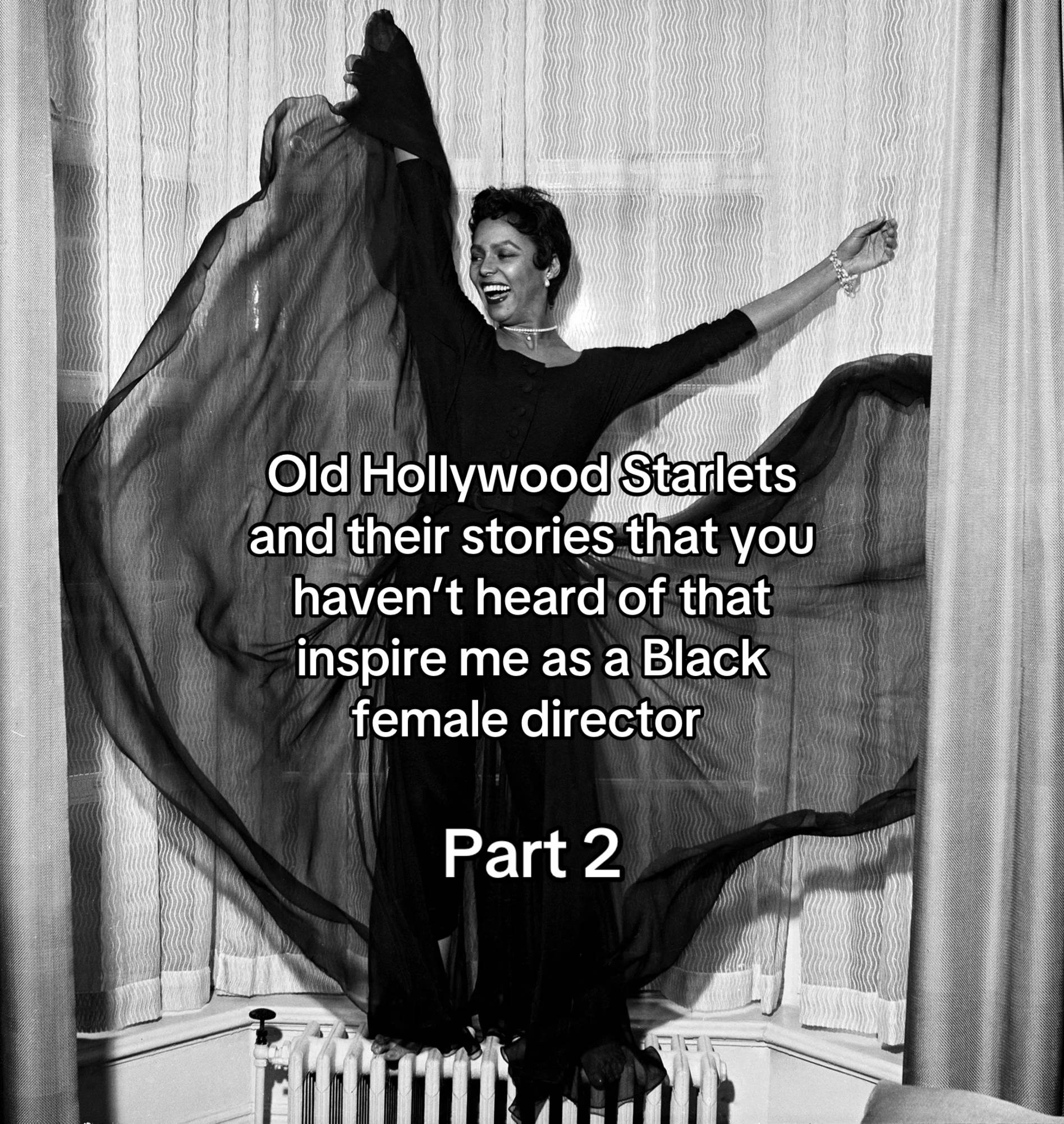
Makeup shades for Black skin did not exist in Old Hollywood, forcing Black stars like Dorothy Dandridge to bring her own custom-mixed makeup to set.
Black hair wasn't taught in many film schools (still an issue today)
As a result, many productions hired teams who didn't know how to style Afro-textured hair, leaving Black performers to do it themselves or hire additional stylists.
Despite this, let's continue contributing to the change we want to see by writing those scripts and making those films! 🎬✨
Original caption
I love films, and I love history. It’s important to acknowledge how far the industry has come, while still recognising there’s a long way to go. Did any of these facts shock you? #filmhistory #oscars #hairandmakeup #facts #womeninfilm
More from @christineubochi
More breakout videos from this creator.