Loading video…
All breakouts
7.5Talking HeadPOV / Skit hookFinance
Hook
YOUR PARTNER MAKING A MOVE ON YOU
@calebhammercomposer
4.7M followers · usually 1.8M views a post
Views
11.6M
Likes
1.2M
Comments
3.9K
Shares
12.7K
Why it worked
The video likely performed well due to its controversial and provocative stance on a sensitive topic, challenging common narratives around consent and victimhood. The direct and confrontational tone, coupled with strong on-screen text, would have encouraged engagement through comments and shares.
Summary
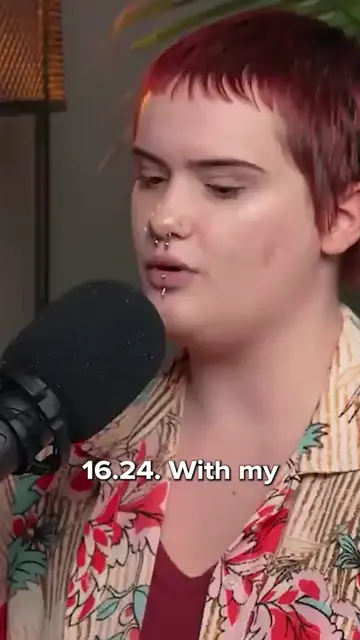
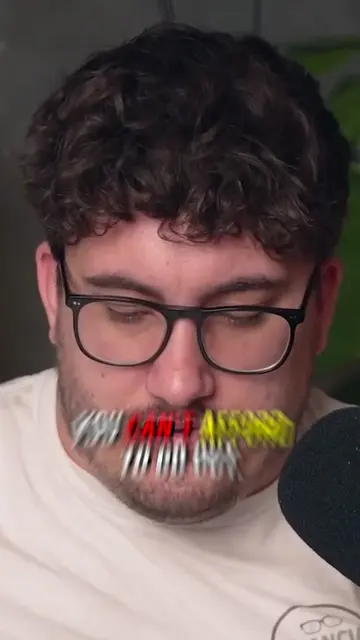
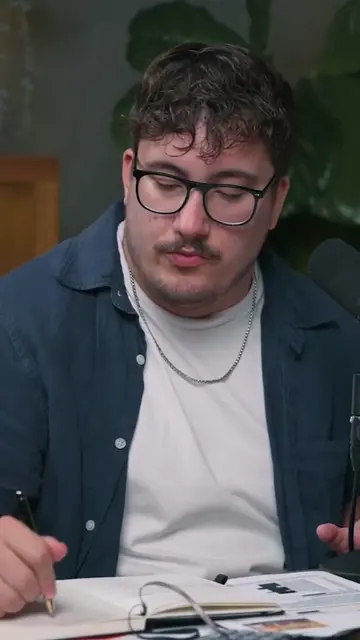
The video discusses the difference between feeling uncomfortable and being assaulted, arguing that if someone stops their advances when you say no, it is not assault. The speaker asserts that people who claim to be victims of unwanted advances are devaluing the experiences of genuine victims and that the fault lies with the accuser for escalating the situation.
Structure
- 1Defining assault vs. discomfort
- 2Accusing victims of devaluing real victims
- 3Explaining the escalation of energy
- 4Blaming the accuser for the situation
On-screen text
YOUR PARTNER
MAKING A MOVE ON YOU
AND STOPPING
WHEN YOU SAY "NO"
IS NOT ASSAULT.
YOU ARE NOT A VICTIM.
NO ONE BELIEVES
ANYTHING ANYMORE
FOR REAL VICTIMS
BECAUSE OF YOU.
AND THIS IS
100% REAL.
IS THIS SHOW REAL?
WHAT THE F*CK
ARE WE DOING?
AND LISTEN,
IF YOU SAY,
"I FELT UNCOMFORTABLE
IN THAT SITUATION."
THAT SUCKS.
I BELIEVE THAT
AND I'M ON YOUR SIDE,
BUT THE ISSUE IS
PEOPLE LIKE YOU
BRING A LEVEL OF ENERGY
THAT YOU GOT
F*CKING ASSAULTED
A NUCLEAR F*CKING ATTACK
THAT SOMEONE
MADE A MOVE ON YOU,
THAT YOU WERE
DATING.
AND THEN STOPPED
WHEN YOU SAID
THAT YOU SAID NO.
NEVER.
NOT A
SINGLE ONE OF YOU
COMPLAIN
COLD-APROACHED
ANYMORE.
DON'T F*CKING
COMPLAIN.
IT IS YOUR FAULT.
Original caption
False Assault Accusations Should Be Illegal
More from @calebhammercomposer
More breakout videos from this creator.