Loading video…
All breakouts
3.5Talking HeadOther hookEducation
Hook
One of the first things you may notice in a coastal, temperate
@nerdyaboutnature
238.8K followers · usually 5.1K views a post
Views
17.6K
Likes
1.8K
Comments
30
Shares
34
Why it worked
The video effectively educates viewers on a complex ecological concept using clear visuals and explanations, contrasting the negative impacts of industrial logging with the benefits of mature forests and restoration efforts. This educational approach, combined with the creator's passion for nature, likely resonated with an audience interested in environmental science and conservation.
Summary
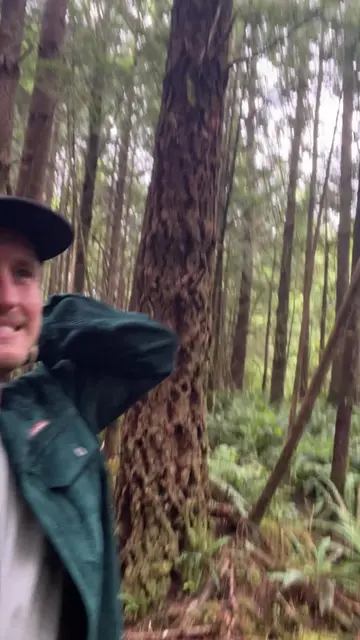
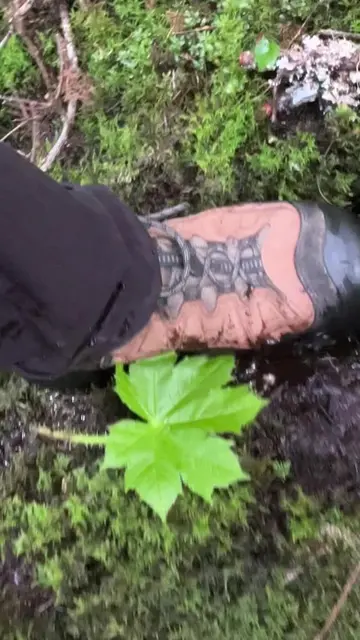
The video explains the concept of 'pit and mound' topography in old-growth forests, which is formed by decaying trees and debris, creating a complex ecosystem that stores moisture and carbon. It contrasts this with second-growth forests, which are less complex and more prone to wildfires due to industrial logging practices. The creator suggests that ecological restoration efforts can help re-establish these complex characteristics in younger forests.
Free accountLocked — create a free account to open
Transcript, structure and on-screen text
6 beats, a 416-word transcript and 83 lines of on-screen text — the parts you need to write your own version.
Original caption
In a temperate old growth forest, the forest floor is often very undulating with what’s known as ‘pit and mound’ topography. This is created through various disturbance patterns of disease or wind throw, which uproots trees as they fall over, and these big downed logs and woody debris create mounds after they decay over centuries, returning nutrients to the ecosystem. Shade tolerant trees grow on fallen nurse logs, vernal ponds are created in the pits, dens form in woody debris, and the forest floor is comprised of layers of organic material collecting over centuries to not only store moisture to keep this forest cool year round and more resistant to wildfire, but tons of carbon, which is distributed to a complex web of life that exists underground where 60% of the carbon in these forests is stored. Modern industrial logging practices clearcut forests, and heavy machinery squashes the existing pit & mound topography, compressing soils and reducing organic matter so that it stores less water, biodiversity and carbon. In a secondgrowth forest, whether regenerated naturally or planted, these trees aren’t big enough to contribute to the same level of pit and mound topography, and thus there’s less habitat for wildlife, fewer vernal pools, and with firmer soils and less water retention, this forest dries out much quicker than a mature forest making it more prone to wildfire. Through ecological thinning and restoration of these secondgrowth forests, we can help to create more complexity on the forest floor as organic matter builds up and mature trees fall and decay to create habitat, vernal pools, and nurse logs that contribute to a healthy forest ecosystem. Though it is no substitute for conservation of mature forests in the first place, proper science-led restoration efforts can help speed up the succession of unhealthy secondgrowth forests created through industrial logging to increase old growth characteristics and create healthier forests in the long term. @reddfishrestoration #restoration #forest #ecology #science #climate #biodiversity #betterfutures #carbon
More from @nerdyaboutnature
More breakout videos from this creator.