Loading video…
All breakouts
823Talking HeadWarning hookEducation
Hook
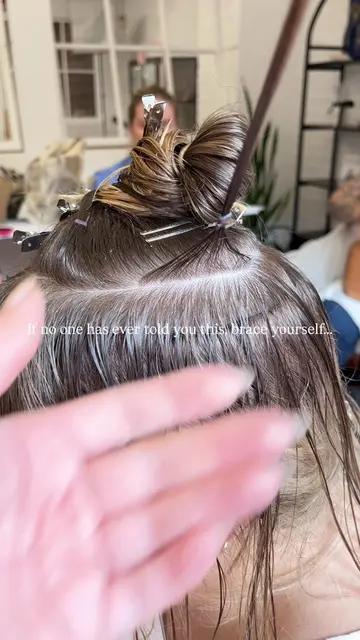
Hair is most fragile when wet.
@thelunamethod
1.5K followers · usually 1.3K views a post
Views
994.4K
Likes
14.9K
Comments
22
Shares
41
Why it worked
The video effectively debunks a common misconception about hair care, providing clear and concise scientific explanations that resonate with viewers interested in hair health and styling.
Summary
The video explains that while hair is mechanically weaker when wet due to water temporarily breaking hydrogen bonds, this does not cause permanent structural damage. It clarifies that chemicals, not water alone, are responsible for breaking disulfide bonds, and excessive heat can degrade keratin over time.
Structure
- 1Hair is fragile when wet
- 2Water breaks hydrogen bonds
- 3Water does not break disulfide bonds
- 4Chemicals break disulfide bonds
- 5Heat can degrade keratin
On-screen text
Hair is most fragile when wet.
Good thing it dries.
Transcript
Hair is most fragile when wet. Good thing it dries.
Original caption
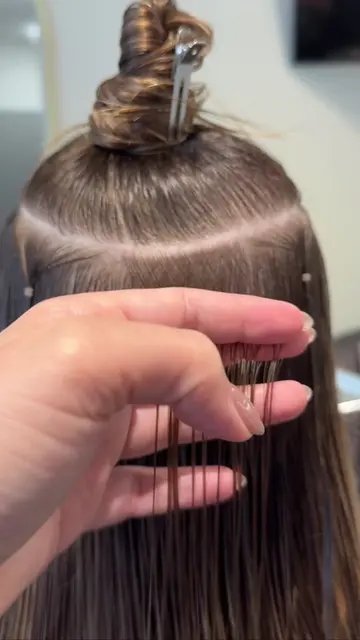
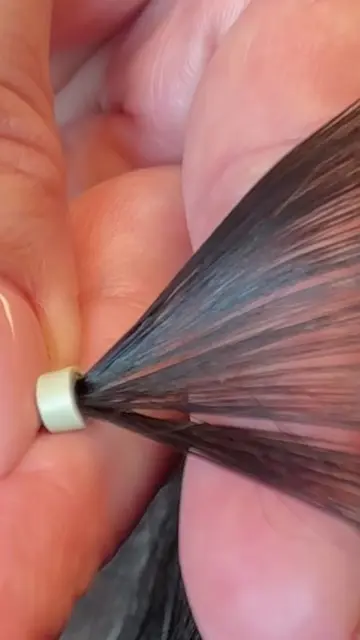
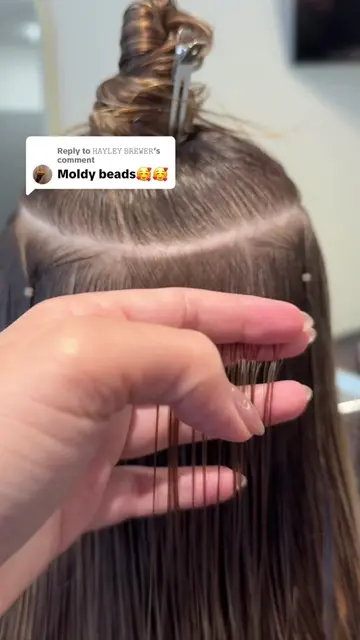
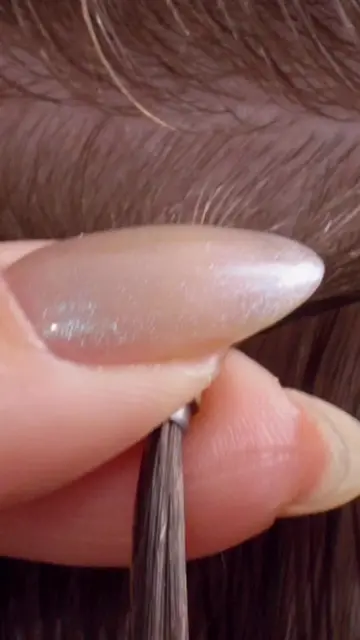
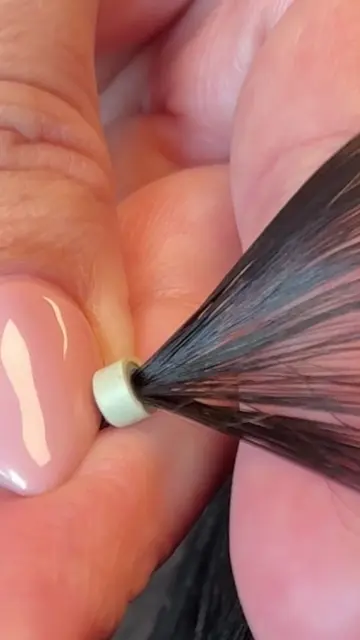
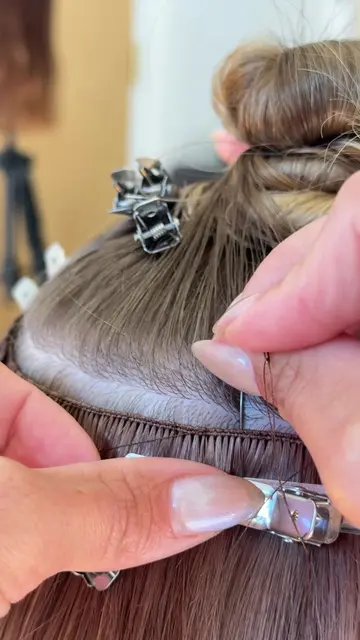
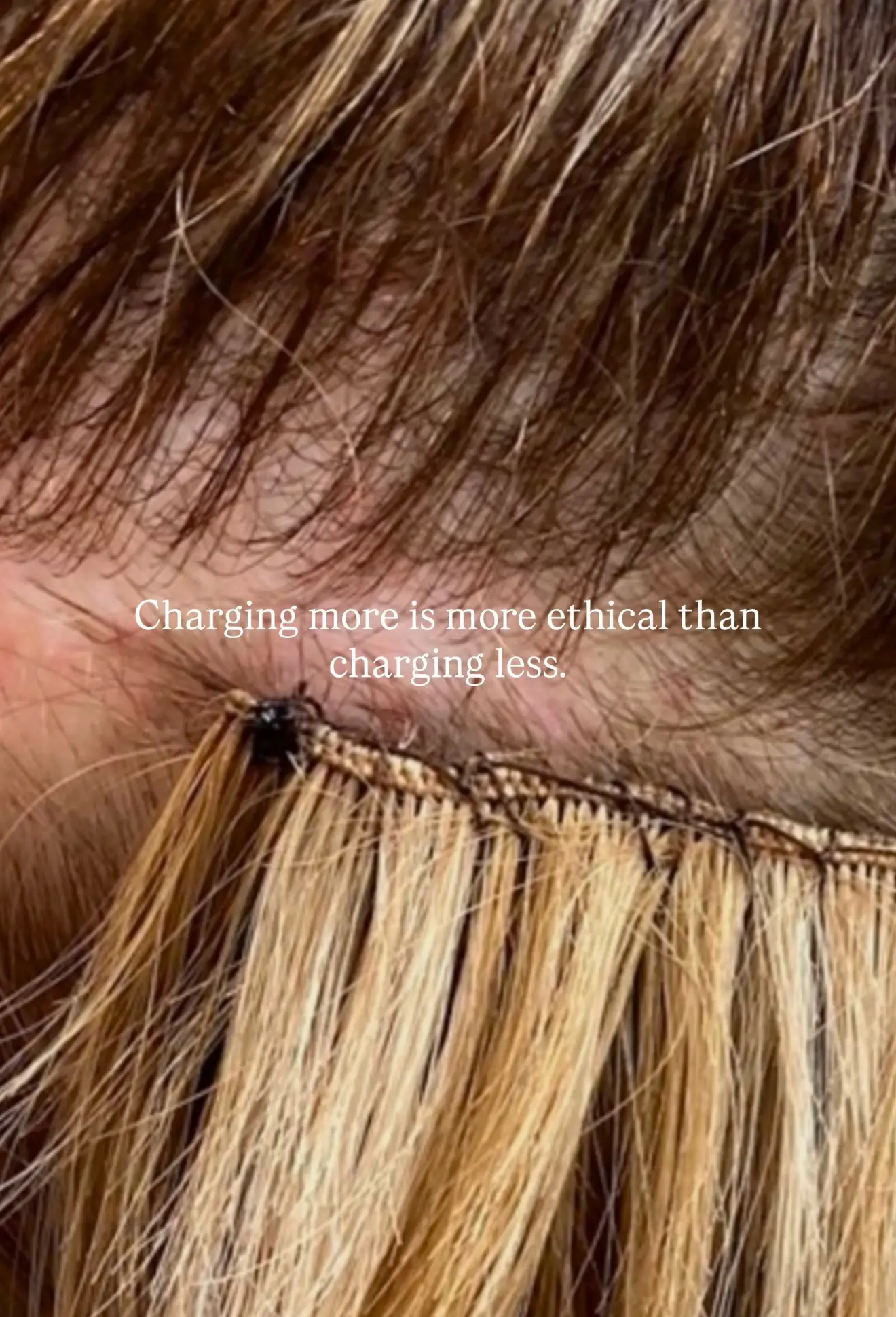
I install on wet hair. On purpose. Hairstylists are clutching their pearls… Yes,wet hair is mechanically weaker than dry hair. Hydrogen bonds temporarily break then reform. Water penetrates the cortex, increasing elasticity & reducing tensile strength. But water does not break disulfide bonds. Chemicals do. &&& repeated high heat can oxidatively degrade keratin and weaken disulfide bond integrity over time. Water alone does not create permanent structural damage. Mechanical stress applied to wet hair does. I install on wet hair because •true growth patterns •curl direction •density shifts •cowlick behavior Compression distributes force across surface area & tension concentrates force at fixed points. If your install depends on tension, moisture will expose it. @thelunamethod is Patent Pending! Class registrations is OPEN
More from @thelunamethod
More breakout videos from this creator.