Loading video…
All breakouts
245AnimationDirect Question hookEducation
Hook
Can you imagine that the world's every doctor dissects a frog in their life?
@bioblast4868
16.9K followers · usually 5.5K views a post
Views
1.2M
Likes
27.1K
Comments
278
Shares
2.5K
Why it worked
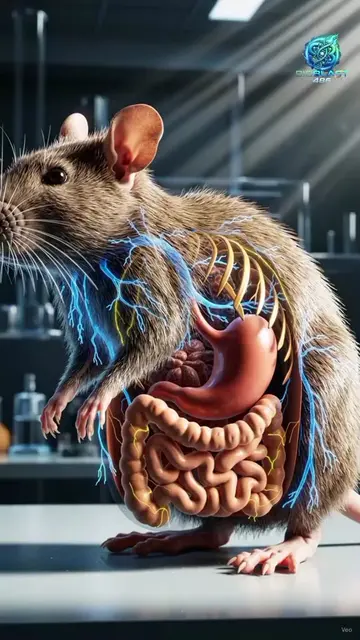
The video effectively uses striking visuals of frog anatomy and comparisons to human anatomy to explain a common educational practice. The narrative builds intrigue by highlighting the 'shocking science' behind frog dissection and its historical importance in medical advancement.
Summary
This video explains why frogs are commonly used for dissection in medical education. It highlights their transparent bodies and similar organ systems to humans, making them ideal for learning anatomy. The video also touches on the ethical evolution of dissection practices, moving from live dissections to preserved specimens and virtual models.
Structure
- 1Introduction to frog dissection in medical education
- 2Comparison of frog and human anatomy
- 3Advantages of frog dissection (transparency, ease of access)
- 4Ethical considerations and modern alternatives (virtual dissection)
- 5Conclusion on the historical significance of frogs in medical science
Product placement
BIOBLAST 486 (appears as a logo/watermark throughout the video, does not act, removing it would not change what happens in the video)
On-screen text
BIOBLAST
486
Original caption
Why Do Medical Students Dissect Frogs? The Shocking Science Behind It 🐸 #creatorsearchinsights #viral #trending #foryoupage❤️❤️ #tiktoklearn
More from @bioblast4868
More breakout videos from this creator.