Loading video…
All breakouts
28.9Text-HeavyListicle hookConsumer Apps
Hook
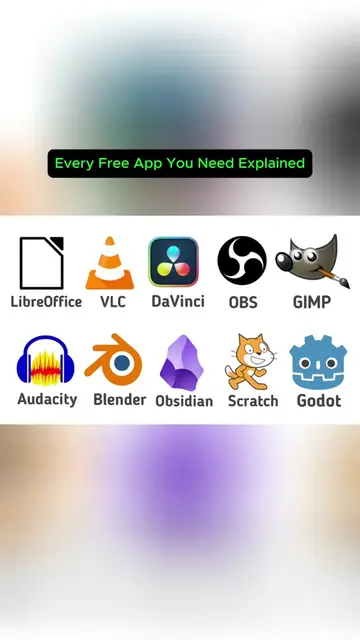
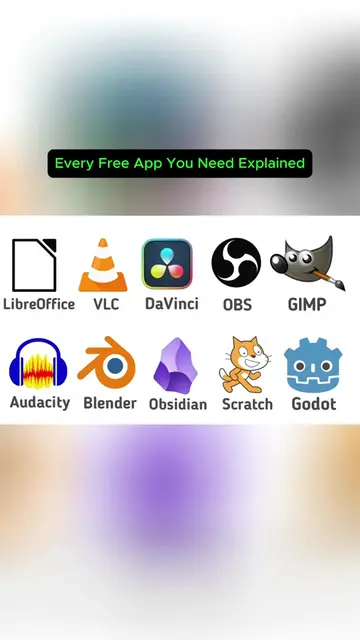
Every Free App You Need Explained
@whitepageofficial
72.9K followers · usually 10.3K views a post
Views
282.2K
Likes
11.8K
Comments
103
Shares
361
Promoted product
Scratchhttps://scratch.mit.edu/ ↗
Why it worked
The video effectively demystifies programming by focusing on Scratch's visual and accessible approach, contrasting it with the perceived complexity of traditional coding. This makes the topic relatable and highlights the value of a free, community-driven platform.
Summary
This video explains Scratch, a free visual programming language developed by MIT. It highlights how Scratch uses drag-and-drop blocks to teach programming concepts like loops and variables, making it accessible for beginners and fostering computational thinking. The platform's widespread adoption and large community are also emphasized.
Structure
- 1Introduction to programming challenges
- 2Introduction to Scratch and its visual approach
- 3Explanation of Scratch's features and capabilities
- 4Comparison to traditional coding and its difficulties
- 5Emphasis on Scratch's accessibility and community
- 6Conclusion on Scratch's role in teaching computational thinking
Original caption
Every Free App You Actually Need Explained (Scratch) #freeapp #scratch #app #software
More from @whitepageofficial
More breakout videos from this creator.