Loading video…
All breakouts
324AnimationListicle hookConsumer Apps
Hook
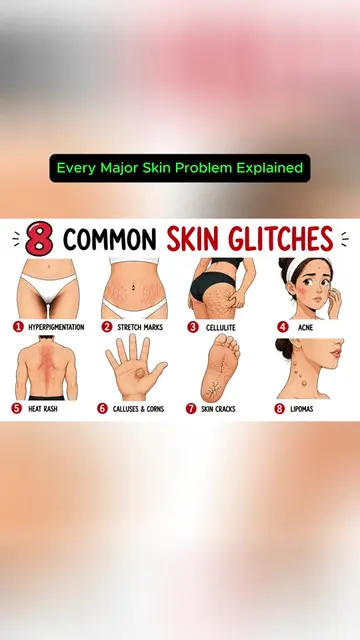
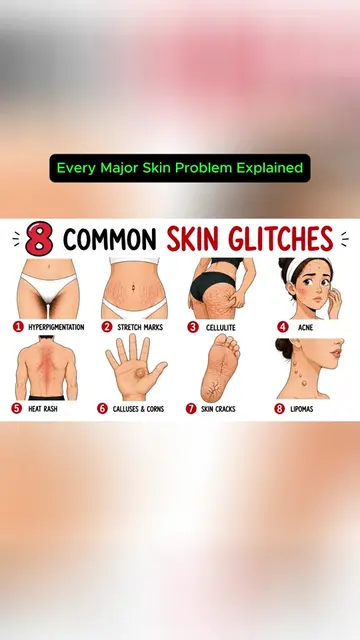
Every Major Skin Problem Explained 8 COMMON
@whitepageofficial
72.9K followers · usually 10.3K views a post
Views
3.2M
Likes
144.2K
Comments
859
Shares
10.1K
Why it worked
The video effectively uses clear, simple animations to explain a common and relatable skin concern, making complex biological processes easy to understand. It covers multiple causes and potential underlying health links, providing valuable information that resonates with a broad audience.
Summary
This video explains hyperpigmentation, a common skin condition characterized by darkened patches. It details the causes, including friction, shaving, sun exposure, hormonal changes, excess weight, and insulin resistance, and advises consulting a doctor if the darkening is sudden or widespread.
Structure
- 1Introduction to hyperpigmentation and its common locations
- 2Explanation of melanin and how it causes skin darkening
- 3Causes of hyperpigmentation: friction, shaving, sun, hormones, weight, insulin resistance
- 4Skin darkening as a potential indicator of underlying health issues
- 5Advice to consult a doctor for sudden or concerning skin changes
On-screen text
Every Major Skin Problem Explained
8 COMMON
1 HYPERPIGMENTATION
2 STRETCH MARKS
HYPERPIGMENTATION
IT MOST OFTEN APPEARS
IN AREAS WHERE THE SKIN EXPERIENCES
CONSTANT FRICTION.
UNDERARMS
NECK
INNER THIGHS
BIKINI AREA
ELBOWS
KNEES
KNUCKLES
SHAVING
INFLAMMATION AFTER HAIR REMOVAL
SUN EXPOSURE
HORMONAL CHANGES
Thyroid Gland
Estrogen/Progesterone
Endocrine Gland
Hormones + increased
melanin production
EXCESS BODY WEIGHT ALSO
PLAYS AN IMPORTANT ROLE
Skin friction -> Mild irritation -> Increased melanin -> Hyperpigmentati
NORMAL
AFTER FRICTION
INSULIN RESISTANCE
Insulin resistance
EARLY
hyperpigmentation -> later symptoms
NORMAL
AFTER FRICTION
IN MOST CASES, SKIN DARKENING
IS NOT DANGEROUS.
Original caption
Every Major Skin Problem and Its Causes Explained (Hyperpigmentation) #hyperpigmentation #hyperpigmentationscars #humanskin
More from @whitepageofficial
More breakout videos from this creator.