Loading video…
All breakouts
19.9Talking HeadCuriosity Gap hookLifestyle
Hook
The hotter it is the bigger it gets
@ledouxitt
476.9K followers · usually 8.7K views a post
Views
232.9K
Likes
22.7K
Comments
105
Shares
336
Why it worked
The video explains a natural phenomenon in an engaging and relatable way, using a common regional feature (crawfish mounds) to illustrate a scientific principle about animal behavior in response to environmental conditions.
Summary
The creator explains that the larger the crawfish mounds (or holes) are, the hotter the weather is. This is because crawfish burrow deeper into the ground to find cooler soil, pushing more dirt to the surface as they dig.
Structure
- 1Introduction to crawfish mounds
- 2Explanation of mound size correlating to heat
- 3Crawfish burrowing deeper for cooler soil
- 4Dirt pushed to the surface creates mounds
- 5Mounds indicate hot weather and crawfish season
On-screen text
The hotter it is
the bigger it gets
Transcript
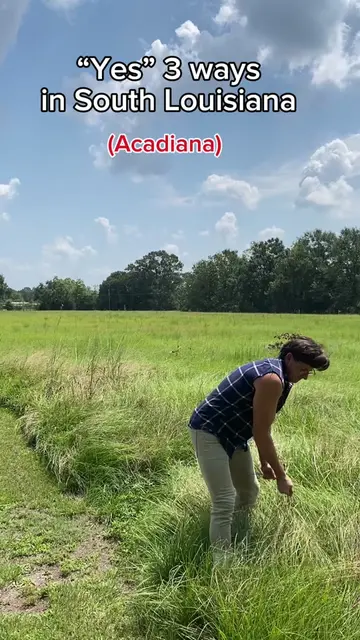
The hotter it is the bigger it gets. This is a crawfish mound or a crawfish hole. The drier or hotter it is, the bigger it gets. That's in Louisiana or anywhere that has crawfish, you'll notice big old holes like that cuz it's so hot. Cuz look, if it wasn't hot, they'd be all over the place on the ground running around. It's crawfish season. But it's not a crawfish season. They diggin' deep, deep. They wanna go as far down as they can and in order to do that, they diggin' up all that dirt so they can get it out of the way. So they go deep. So any time it's hot hot, inside Louisiana or anywhere that has crawfish, you gonna notice big old holes like that cuz it's so hot. Cuz look, if it wasn't hot, they'd be all over the place on the ground running around. It's crawfish season. But it's not a crawfish season.
Original caption
The hotter it gets in South Louisiana, the bigger these crawfish mounds aka crawfish holes get! As the ground heats up and dries out, crawfish burrow deeper to find cooler, wetter soil. The deeper they dig, the more dirt they push to the surface—creating a big ol’ crawfish mound, also known as a crawfish hole! #Acadiana #Cajun #SouthLouisiana #Crawfish #LouisianaNature
More from @ledouxitt
More breakout videos from this creator.