Loading video…
Sound

original sound - thatmodishlife
That Mod•ish Life · Original audio
0:00–:––
Playing this video’s own audio, so you’ll hear the creator over the sound.
We didn’t find a product being promoted in this video. Its hook, format and structure below still show why it took off.
Browse products winning on TikTokThe video provides practical, actionable advice for teachers on a common pain point (the first class with a new group), using a relatable and engaging tone.
This video offers advice to teachers on how to spend the first 15 minutes of a new class. It suggests focusing on relationship building and teamwork challenges rather than immediately setting expectations.
Teachers, it's the first
Introduction to the first 15 minutes with a new class
Advice against explaining expectations immediately
Focus on building relationships and getting students talking
Suggestion for a 'Teamwork Challenge' activity
Examples of teamwork challenges
Playing this video’s own audio, so you’ll hear the creator over the sound.
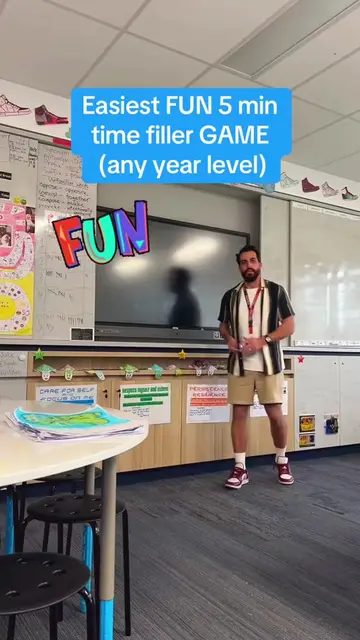
How are we spending the first 15 minutes with a new class? Don’t spend them explaining your expectations- there’s time later for that. Start building a relationship first, get them talking to each other, working together. Here are a few ideas after you’ve introduced yourself! 1. Teamwork Challenge Give groups a quick problem-solving challenge. For example, they might have to arrange themselves in a particular order, solve a puzzle, build something from limited materials, or complete a task under a restriction. 2. Cup Stack Challenge In small groups, students have to stack cups using only an elastic band with several pieces of string attached. They must work together to stretch and control the elastic without touching the cups with their hands. 3. Two Truths and a Lie Tell the class three statements about yourself. Students have to work out which one is the lie. You can then let students try it with a partner. 4. Would You Rather? Give students fun “Would you rather…?” choices. For example: “Would you rather be able to fly or be invisible?” Students vote by putting their hands up or moving to different sides of the room. 5. Silent Line-Up Challenge students to organise themselves into a particular order without speaking. For example, birthday order, height, alphabetical order of first name, or number of siblings. It’s a quick way to see how they communicate and cooperate. 6. Name + Something Go around the class and ask each student to say their name plus something simple, such as their favourite food, sport, animal, film or hobby. It gives you an opportunity to start learning names. 7. Desert Island Tell students they are stranded on a desert island and can choose three things to take with them. They discuss their choices with a partner or group before sharing some of the funniest or most interesting answers. 8. Stand Up If… Give a series of statements and ask students to stand up if they apply to them. For example: “Stand up if you have a pet,” “if you like football,” “if you’ve been abroad,” or “if you prefer cats to dogs.” 9. Memory Challenge Display a collection of random objects, pictures or words on the board. Give students a short amount of time to memorise them, hide them, and then see how many the class can remember. 10. This or That Give students two choices and have them vote quickly: summer or winter, sweet or savoury, cats or dogs, football or rugby, morning or night. You can occasionally ask individual students why they chose their answer. 11. Who Am I? Give students a famous person, character or animal without telling them who it is. They have to ask yes/no questions to work out their identity. 12. What Makes a Great Lesson? Ask students to write down one thing that makes a lesson enjoyable and one thing that makes learning difficult. Collect a few answers and use them to begin a conversation about what you expect from each other. #teacher #teachertips #teachersoftiktok #teaching #EduTok
Outliers and viral hits: their videos on Overshot, all time.