Loading video…
All breakouts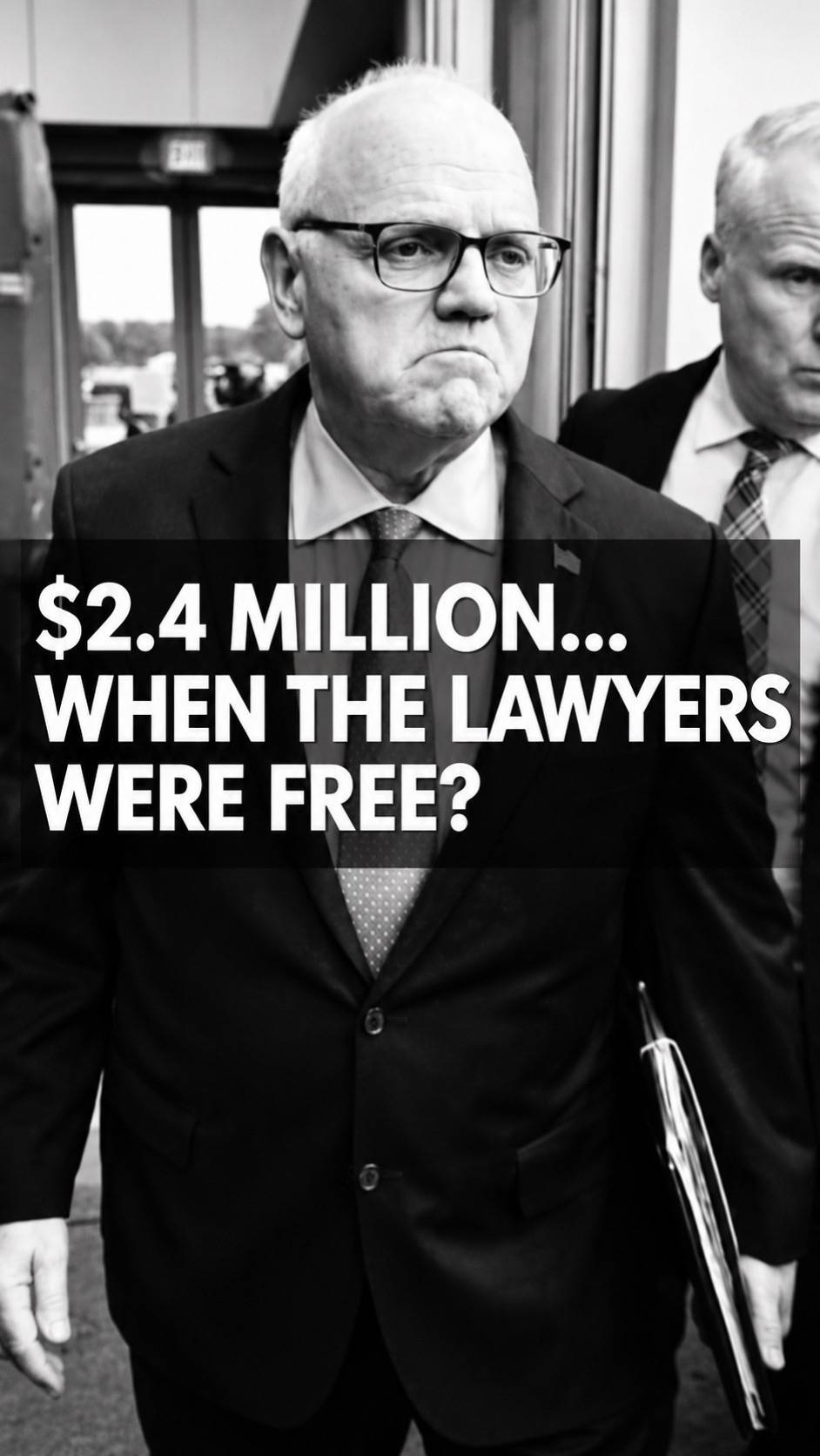 Open on TikTok
1/11
178Text-HeavyResult / Flex hookOther
Hook
$2.4 MILLION... WHEN THE LAWYERS WERE FREE?
@kara_marlene
34.4K followers · usually 1.2K views a post
Views
121.1K
Likes
1.4K
Comments
206
Shares
56
Why it worked
The post leverages a provocative question about significant taxpayer spending on legal fees, combined with a specific, high-profile case, to generate engagement and discussion around government fiscal responsibility.
Summary
This slideshow questions the significant taxpayer expense of $2.4 million spent on private attorneys by Tim Cruz's office in 2017, especially when the Massachusetts Attorney General's Office offered to represent them for free. The case ultimately settled for a much smaller amount, raising concerns about fiscal responsibility as another potentially expensive trial looms.
Structure
- 1Introduction of the $2.4 million legal spending question.
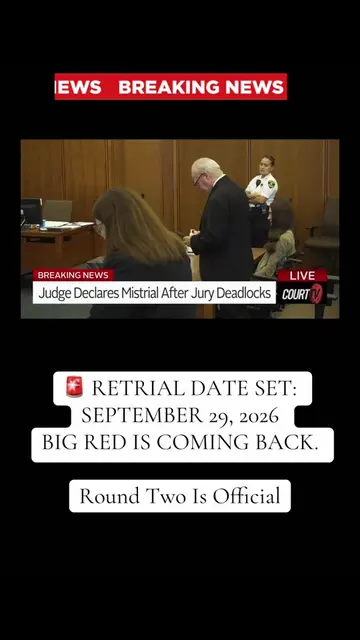
- 2Contextualizing Tim Cruz's decision on the Lindsay Clancy case.
- 3Highlighting past scrutiny of taxpayer-funded legal spending.
- 4Detailing the 2017 expenditure on private attorneys.
- 5Contrasting the cost with the free representation offered.
- 6Revealing the final settlement amount.
- 7Posing the question of who is watching the taxpayer's bill.
On-screen text
$2.4 MILLION...
WHEN THE LAWYERS
WERE FREE?
Tim Cruz is
deciding whether
to retry the
Lindsay Clancy
case.
But this isn't the first
time his office has
faced scrutiny over
taxpayer-funded
legal spending.
In 2017, Cruz's office
spent more than $2.4
million on private
attorneys to fight
a federal lawsuit.
The Massachusetts
Attorney General's Office
offered to represent
the DA's office.
Without outside legal fees
Instead:
$2,415,194
for private attorneys.
The case settled for:
$248,000.
So as Tim Cruz decides
whether to begin another
expensive trial from the
beginning...
... taxpayers may
reasonably ask a
simple question.
Who's watching
the bill?
Original caption
This is the part of the Lindsay Clancy case I think deserves a LOT more attention: the money. This post points to prior scrutiny involving $2.4 million in private legal fees connected to Tim Cruz’s office — despite government attorneys reportedly being available to handle that matter. And now we’re looking at the possibility of prosecuting Lindsay Clancy all over again. Another trial. More experts. More preparation. More court time. More taxpayer money. So my question is simple: How much is the Commonwealth willing to spend trying this case again? Especially after the first jury could not unanimously convict. You can have whatever opinion you want about Lindsay. But taxpayers are still allowed to ask: What is this retrial going to cost — and at what point does someone have to justify the bill? Because if public money is paying for it, the public gets to ask where the money is going. #LindsayClancy #lindsayclancytrial #TimCruz #lindsayclancycase #lindsayclancystory
More from @kara_marlene
More breakout videos from this creator.