Loading video…
All breakouts
20.7Talking HeadStory Open hookOther
Hook
Sep. 11, 2026 IRAN'S ALLIES SEIZED SAUDI ARABIA'S LAST OIL ROUTE OUT
@r2reports
0 followers · usually 61.2K views a post
Views
739.6K
Likes
47.1K
Comments
1.1K
Shares
2.0K
Why it worked
The video effectively uses a dramatic geopolitical event with significant economic implications (oil prices, supply routes) to capture viewer attention. The clear on-screen text and concise reporting make complex information easily digestible.
Summary
This video reports on Iran-backed Houthis seizing Perim Island, a critical oil route for Saudi Arabia. The seizure occurred on September 11, 2026, leading to a spike in oil prices and a significant drop in Saudi Arabia's oil output.
Structure
- 1Iran-backed Houthis seize key oil route
- 2Strait of Hormuz closure impacts oil transport
- 3Saudi Arabia's reliance on Red Sea route
- 4Yemeni troops withdraw from strategic island
- 5Oil prices surge, Saudi output plummets
Product placement
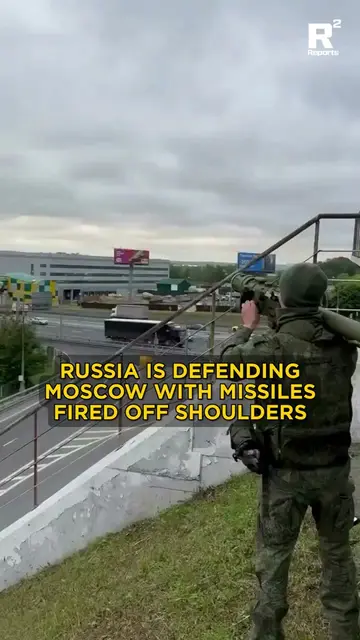
R2 Reports (logo appears in corner, does not affect video content)
Nissan (truck appears, does not affect video content)
On-screen text
Sep. 11, 2026
IRAN'S ALLIES SEIZED
SAUDI ARABIA'S LAST
OIL ROUTE OUT
Most Middle East oil
leaves by tanker
through the Strait
of Hormuz, and Iran
has kept that route
shut for months.
So Saudi Arabia has
been piping its oil
to the Red Sea and
loading ships there.
The only way out of
the Red Sea is a gap
under 20 miles wide
at its southern end,
between Yemen and
the coast of Africa.
On September 11, the
Houtis, the group
Iran arms in Yemen,
seized the island
sitting in that gap
and the town on the
shore beside it,
after Yemeni troops
pulled out on September 10.
On September 10, oil
hit $105 a barrel.
Saudi Arabia's crown
prince called Trump
twice that day to
ask for U.S. strikes
on the Houtis. Trump said no.
Saudi Arabia's oil
output has fallen
to its lowest level
since 1990.
Original caption
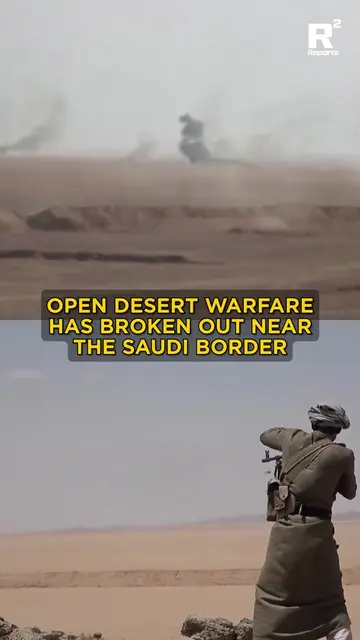
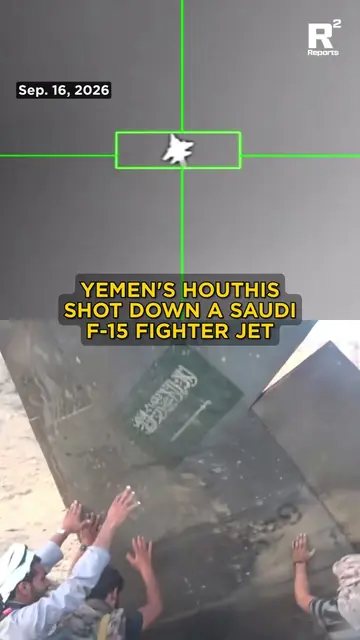
Iran-backed Houthis reached Perim Island and seized Dhubab, putting them at the narrowest point of the Red Sea shipping route Saudi Arabia has relied on since Hormuz was effectively closed. Iran’s Revolutionary Guards reportedly helped guide the offensive while Houthi forces carried it out. Saudi Arabia asked Trump twice for U.S. airstrikes, and he refused. Brent oil closed above $107 as two major Middle East oil chokepoints came under pressure at the same time. #Iran #IranWar #Houthis #SaudiArabia #Yemen #Oil #RedSea #BabElMandeb #R2Reports
More from @r2reports
More breakout videos from this creator.