Loading video…
All breakouts
49.5Talking HeadProblem Callout hookHealth
Hook
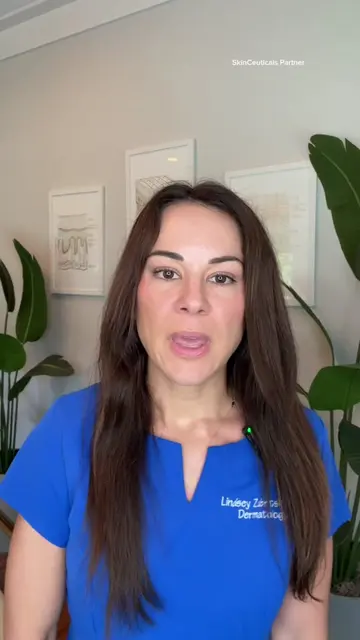
Paid Partnership with LEO Pharma This isn't just dry skin... It could be chronic hand eczema.
@dermguru
1.7M followers · usually 68.2K views a post
Views
3.3M
Likes
2.0K
Comments
25
Shares
73
Why it worked
The video effectively educates viewers about a common but often misunderstood skin condition (CHE) and presents a specific, FDA-approved treatment option. The dermatologist's expertise lends credibility, and the soft-sell approach, combined with clear visuals and a direct call to action, makes it informative and persuasive.
Summary
A dermatologist explains that persistent dry or itchy hands could be chronic hand eczema (CHE). She introduces ANZUPGO, a prescription cream that is the first FDA-approved treatment for moderate to severe CHE in adults who haven't responded to or can't use topical corticosteroids. The video highlights its benefits, potential side effects, and encourages viewers to visit anzupgo.com and consult a dermatologist.
Structure
- 1Introduction to chronic hand eczema (CHE)
- 2Explanation of CHE symptoms and impact on daily life
- 3Introduction of ANZUPGO as a treatment option
- 4Details on ANZUPGO's approval, target audience, and benefits
- 5Discussion of potential side effects and contraindications
- 6Call to action: visit anzupgo.com and consult a dermatologist
Product placement
LEO Pharma (appears as a watermark, removing it would not change what happens in the video); ANZUPGO (acts - it is a cream that is applied to the skin to treat eczema, removing it would change what happens in the video); delgocitinib (acts - it is the active ingredient in ANZUPGO, removing it would change what happens in the video)
Original caption
#ANZUPGOPartner #Ad Watch for important safety information. The more you know: chronic hand eczema (CHE) is WAY more common than you think, affecting about 1 in 10 adults. The good news? There is a steroid-free prescription treatment that can help! Enter ANZUPGO® (delgocitinib) cream 2%* the first and only FDA-approved treatment for adults with moderate-to-severe CHE who are not well-controlled with, or cannot use topical corticosteroids. The use of ANZUPGO along with other JAK inhibitors or strong immunosuppressants is not recommended. CHE can be highly visible, or have less obvious symptoms. Symptoms of CHE, such as redness and dryness, can progress to itchy, painful cracks and, sometimes in the most severe cases, even bleeding. If you're experiencing any CHE symptoms, I encourage you to make an appointment with a dermatologist to see if ANZUPGO may be right for you. #Sponsored by LEO Pharmaceuticals and intended for US audiences only. Please go to @anzupgo_delgocitinib for Important Safety Information, Patient Medication Guide, and Full Prescribing Information. *Prescription only
More from @dermguru
More breakout videos from this creator.