Loading video…
All breakouts Locked — upgrade to Pro to open.Open on TikTokPro
No preview available · watch on TikTok below
5.1Health
Post
Post by @_chris_k241
@_chris_k241
41.6K followers · usually 1.8K views a post
Views
17.4K
Likes
238
Comments
3
Shares
15
We’re still analyzing this post.
Original caption
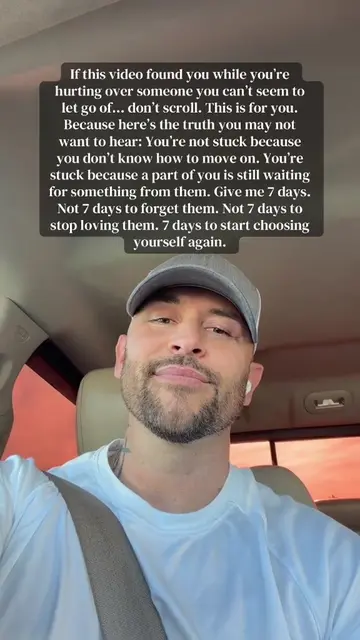
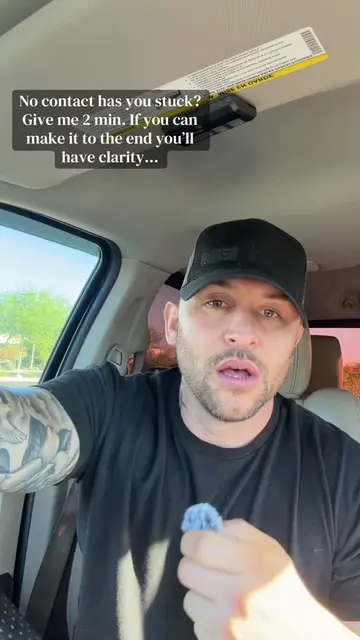
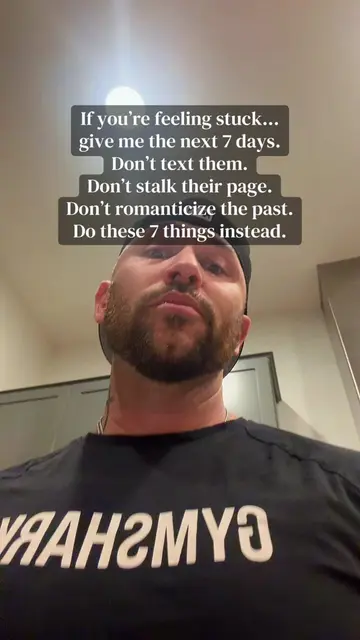
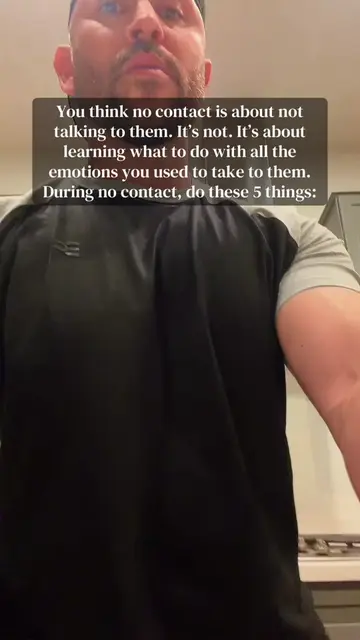
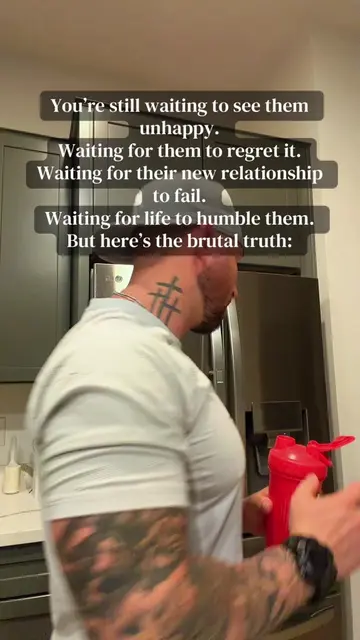
1. No contact isn’t supposed to make them suffer. If you’re going silent because you want them to panic, chase you, or finally realize what they lost… that’s not a boundary. That’s control wearing the clothes of self-protection. The purpose of distance should be to protect your emotional stability not manipulate theirs. 2. You don’t have to prove you’re hurt by becoming hurtful. You can be angry. You can be devastated. You can need space. And you can still communicate with dignity. Your pain explains your reaction. It doesn’t excuse cruelty. 3. You are allowed to stop participating in unhealthy conversations. You don’t have to keep arguing until someone finally understands. You can say: “I’m too emotionally activated to have this conversation productively. I need some time, and we can revisit it when we’re both calmer.” That’s not abandonment. That’s emotional regulation. 4. Don’t weaponize silence. There is a massive difference between: “I need space.” and “I’m going to ignore you until you suffer enough to come back.” One establishes a boundary. The other creates emotional punishment. Know which one you’re practicing. 5. If you share children, you may need limited contact not no contact. Parenting responsibilities don’t disappear because the relationship is falling apart. Keep necessary communication focused on the children, logistics, schedules, finances, or whatever responsibilities you genuinely share. You can be emotionally detached without becoming irresponsible. 6. Let your behavior tell the story. If someone calls you toxic because you stopped chasing, stopped arguing, stopped begging, and established reasonable boundaries… you don’t have to spend every ounce of energy convincing them otherwise. But also be honest with yourself. Were you actually setting a boundary or were you trying to punish them for hurting you? That answer matters more than the label. 7. You don’t need to become the villain to leave the cycle. This is the hardest one. You can acknowledge your mistakes. You can own the ways you contributed. You can apologize where you genuinely caused harm. And you can still decide: “This dynamic is no longer healthy for me.” Accountability doesn’t require self-destruction. And setting a boundary doesn’t require making the other person the enemy. Because sometimes the most mature form of distance isn’t: “You’ll never hear from me again.” It’s: “I refuse to keep participating in this version of us.” That’s different. You’re not disappearing to make them feel your absence. You’re stepping back because you finally understand what staying in the same cycle is doing to both of you. And if you’re married, share children, live together, or have responsibilities that require contact, remember: No contact may not be the goal. Sometimes the goal is low-conflict, limited, intentional contact with very clear boundaries. The goal isn’t to punish them. The goal is to stop participating in what keeps hurting you. This page is dedicated to helping people navigate heartbreak, attachment wounds, emotional pain, self-awareness, and deep reflection through brutal honesty, psychology, faith, and inward healing. Follow me for a deeper look within yourself where hard truths meet self-awareness, healing replaces self-abandonment, and understanding yourself becomes the key to unlocking the life God intended for you. #chriscarrillo #healing #relationships #fyp #heartbroken
More from @_chris_k241
More breakout videos from this creator.