Loading video…
All breakouts Locked — upgrade to Pro to open.Open on TikTokPro

No preview available · watch on TikTok below
8.0Consumer Apps
Post
Post by @conscious.app
@conscious.app
25.5K followers · usually 2.6K views a post
Views
19.3K
Likes
824
Comments
11
Shares
54
We’re still analyzing this post.
Original caption
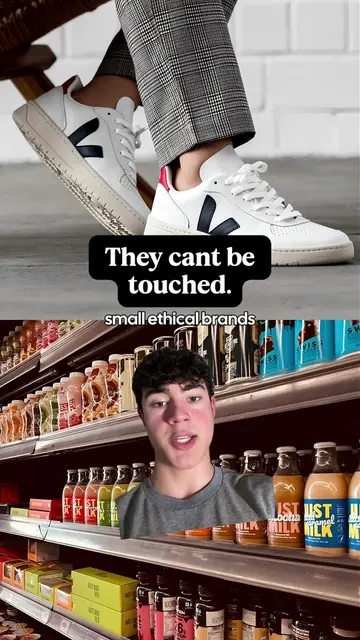
Small ethical shoe brands that haven't sold their souls Veja Sneakers made with organic fair trade cotton, wild Amazon rubber and recycled plastic bottles. Since 2004 its warehouse has been staffed through job programs for disabled and excluded people, run since 2020 by a nonprofit venture called Log'ins. NPS Solovair Began in 1881 as a shoemakers' cooperative. When it nearly closed in 2006, workers voted to sell it to a local shoe veteran, and every pair is still made in its 1899 Wollaston, England factory, with replaceable soles. Icebug Started in 2001 by David Ekelund and his mother, it's privately owned with no sales growth target. It belongs to the Fair Wear Foundation, a nonprofit that audits factory conditions, and donates 1% of sales to environmental causes. Spingle Sneakers made by hand in a Fuchu, Hiroshima factory operating for over 90 years, one of the few in Japan still baking rubber soles onto shoes, a method called vulcanization, using rubber it mixes itself. Trippen A Berlin shoe brand still run by co-founder Michael Oehler and his family. It opened its own factory in 1998 to guarantee good working conditions, uses leather tanned with plant extracts, and its workshop repairs and resoles pairs. Poppy Barley Founded in 2012 by sisters Justine and Kendall Barber, who still run it. Most of its shoes come from locally owned factories in León, Mexico, and it re-checks every factory against its ethical standards every two years. Most of what people buy comes from giants that put profits over people. Ethical brands still exist, but without those advertising budgets, they're much harder to find.... Support ethical brands. Use the Conscious Spend app to find ethical alternatives to big companies and see who owns what you buy.
More from @conscious.app
More breakout videos from this creator.